Find ATEX, IECEx, Explosion Protection & Hazardous Area Content...

News

Confined space entry: think beyond the obvious

When an employee enters a confined space to carry out works or inspections, how can you be sure they will come out alive and well? As fall protection specialist, Alfonso Fernandez of MSA stresses, positive outcomes for workers inside that space depend on organisations thinking outside the box.

Little room for error

In what is potentially one of the most high-risk scenarios an individual can face at work, there is – literally – little room for error. Its dangers go way beyond the obvious, with a wide variety of conditions and factors at play – and many a surprise awaiting the unprepared. Selecting the right fall protection PPE (personal protective equipment) to address every eventuality is vital. So is planning for every type of emergency.

Falling from a height is already well established as industry’s biggest cause of fatal accidents for workers. In the UK alone, there were 35 such deaths in 2020/21, accounting for a quarter of all fatalities at work.1 Falling within a confined space adds extra dimensions to that hazard.

European statistics for fatal injuries specifically involving work in confined spaces are less readily available but reports from the United States give some sense of the risk. One of these gives a nationwide figure of 1,030 deaths between 2011 and 2018. Amongst these, 156 were due to falls.2

While fall protection is the focus of this article, there are many other confined space entry (CSE) hazards from which workers need to be protected. Along with the necessary PPE, working in this environment requires robust safety protocols, checks and emergency plans. Importantly, these apply not only to those entering confined spaces but to those supporting them from outside and, in the event of an accident, carrying out rescues.

Confined spaces and their hazards

A confined space in this context can be described as one which is fully or partially enclosed, large enough for a worker to enter, but not designed for continuous occupation. It has limited means of entry and exit, and its nature is such that serious injury due to conditions or substances present is a foreseeable risk.

An archetypal example of confined space entry is the manhole through which workers access an underground sewer. However, there are many other examples, such as chambers, tanks, pits, tunnels, pipes, shafts and ducts. They are found everywhere, from water and sewage systems to mines, manufacturing plants and all types of building.

In addition to falling, workers can be struck by objects or bump into walls and obstacles. Depending on the space’s location and use, they may suffer from oxygen deficiency or be overcome by toxic or suffocating gases and vapours. In some cases, there are risks of drowning in liquid or being buried by solid materials. Hazardous chemicals, fires and explosions, as well as extremes of heat or cold, are further possibilities.

These are all hazards and workplaces with which MSA is very familiar, and for which the company provides a full range of PPE products.

Fall protection kit for CSE

A fall protection kit for confined space entry contains equipment for two main purposes:

1) arresting falls;

2) rescuing someone who has fallen or is in some other way injured.

PPE users, suppliers and legislators seem to give less attention to the second aspect than the first. This is worrying, as survival in the event of an accident depends on forward thinking, a clear rescue plan and a fully trained and equipped team.

The kit starts with an anchor – usually a tripod or davit – to which lifelines and other safety devices can be firmly attached. These will include a fall arrest system, whose braking limits the distance and speed of falling. A self-retracting lifeline (SRL) is often used for this.

If a worker needs to be lowered into and out of the space instead of climbing, a winch is needed. The winch will also be employed for rescue if a worker falls. Alternatively, the team can use a product known as a ‘rescuer’, which serves both as an SRL and as a rescue and retrieval device. In all cases, the lifelines attach to a safety harness worn by the worker.

The combination of PPE and procedures deployed may have to be adjusted according to what the team finds on approaching the confined space. Consider the typical scenario of a street sewer manhole. If a ladder is absent or in poor condition, a normal SRL will not be sufficient for safety. In this case, a winch will be necessary to enable safe lowering and raising of a suspended worker.

Is the legal minimum enough?

There is no EU legislation specifically relating to work in confined spaces. However, the Framework Council Directive 89/391/EEC of June 1989 covers all aspects of safety and health at a workplace. It places a duty on employers to consider the specific characteristics of every workplace.

Some European countries do have their own local confined space regulations. The PPE used for such work is covered by EU-wide regulations, which are also adopted by the EU state members and UK.

For tripod anchors, which provide an economical and more portable alternative to davits, the relevant certification is EN 795. Importantly, if two workers are to be connected to the tripod, you must check its label to ensure it has been tested to take the weight of two people. For SRLs and rescuers, EU 360 certification requires testing for personnel weights up to 100 kg. MSA goes beyond the legal requirement, by testing to 140 kg, for an extra margin of safety.

The worker inside the confined space must be accompanied by another, positioned outside, who will be the first responder if a problem arises. There is a risk that this person could also fall into the space. They therefore require the same set of PPE, including fall protection. Erecting a safety fence around the space entrance is an option, but not always possible, so it’s common that the second worker has to attach to the tripod.

Expect the unexpected

Minutes and even seconds count when accidents strike in confined spaces. The injured and/or unconscious worker needs be rescued without delay by their team. In addition to any other danger, they are likely to face a rapidly diminishing and contaminated air supply.

Given that both the inside worker and the colleague above might potentially fall, at least one other fully trained teammate should ideally be available nearby to assist. Rescue plans for every conceivable situation must be established, understood and rehearsed to ensure rapid response to any emergency.

Winches and other retrieval devices, including rescuers when in rescue mode, are not treated as PPE in legislation. They should be tested to the standard required by EN 1496, but there is no actual certification. Under EN 1496, there are two classes: A and B. Class A devices only winch upward. Class B devices, like MSA’s rescuer, also allow downward manoeuvring, which is useful when negotiating obstacles and optimising the casualty’s body position.

Ideally, the rescue should be executed from outside. Sadly, many deaths have resulted from colleagues entering enclosed spaces to help teammates. According to US researchers, around 60% of CSE fatalities are rescuers.3 Where entry is unavoidable, the rescuing worker must be protected by PPE against all hazards.

On reaching the injured worker, they will attach a line to the casualty’s harness. Harnesses should be approved to EN 361 standard, while those for rescue should also be approved to EN 1497. MSA’s V-FORM harness is specially designed with shoulder-mounted D-rings which simplify attachment of a rescue line and keep the victim in a vertical position for easier lifting through narrow manholes. This product is certified to EN 361 and EN 1497 standards.

The harness can be used in conjunction with an MSA spreader bar, certified to EN 354:2010, which gives further flexibility. It features loops which may be fastened to secure the victim’s arms and maintain a compact posture for easier retrieval.

Safe choices

As the advice above emphasises, you should always think beyond the obvious when preparing for confined space entry. This means having plans and PPE in place to deal with all eventualities. Equipment tested and certified to the required standards is a must, but you should be prepared to go further than the legal minimum for greater certainty and safety. Remember, too, that certification of a product does not make it suitable for every situation. Always seek advice from an expert.

When choosing fall protection PPE for confined space entry, compare more than the prices. Will a cheap version really give the same level of performance and safety? Does it make any sense to buy high-quality gas detection equipment, for instance, but then skimp on fall protection? Choosing lower-priced PPE is also a false economy in many cases. Poorer-quality products have a higher whole-life cost of ownership in terms of servicing, maintenance, repair and frequent replacement expense.

For fall protection PPE users, there may be a preference for the lightest kit available – which may not be the safest. This can be a dangerous distraction, as safety should be the top priority. Low weight should not be set above preserving lives. In the case of harnesses, comfort can be achieved without compromising on safety. Look for a design that avoids bulkiness, chafing, overheating or restriction of movement. Adjustability is essential too.

A partner that thinks of everything

Selecting the right supplier of PPE products and advice for confined space entry is a key to safety assurance. MSA’s long experience in this specialised area extends beyond fall protection to cover all aspects of PPE, including gas and vapour detection, respiratory equipment, head, eye, face and hearing protection, and more. In other words, MSA has the expertise to help you navigate CSE’s varying scenarios and hazards.

Its products are highly compatible and are increasingly connectable via MSA’s Connected Work Platform and the Internet of Things. Importantly, MSA tests its CSE fall protection products as complete kits, as well as individual components, for total confidence

There are wide-ranging issues to consider when preparing to buy and deploy fall protection PPE for confined space entry. How can you be sure it will equip your team fully, not only to meet their obvious needs but to deal with worst-case emergency scenarios? Thankfully, MSA has done the out-of-the box thinking on your behalf, giving you the support you need to find the right equipment to keep your workers safe.

For further information on working safely in confined spaces, including a downloadable white paper, visit MSA Safety.
CHAS launches verification service for engineering materials suppliers

CHAS_Logo.jpeg

New from CHAS, the trusted expert in supply chain compliance, is Verified Supplier, a compliance verification service which enables engineering material suppliers to showcase their commitment to operating credibly, safely and ethically.

As supply chains come under increasing scrutiny, material suppliers must confirm they are compliant with a growing list of legislation and guidelines covering health and safety, quality assurance, environmental protection and ethical practices, among others.

Easily demonstrate compliance

Becoming a CHAS Verified Supplier is a convenient way to demonstrate compliance across a range of risk management areas via a single verification, reducing duplication of prequalification questionnaires (PQQs) and making it faster and easier to pre-qualify for contracts across the UK.

As well as demonstrating a supplier’s commitment to quality practices and processes, achieving CHAS Verified Supplier helps suppliers highlight compliance with the following laws and regulations:

  • UK GDPR
  • Health and Safety at Work etc. Act 1974
  • Modern Slavery Act 2015
  • Environment Act 2021
  • Equality Act 2010

Verified Suppliers also get access to CHAS’s growing bank of exclusive benefits, including discounted training courses, free legal advice and exclusive savings with TradePoint, Speedy Hire, Checkatrade and more.


Streamline supply chain risk management

Specifying CHAS Verified Supplier gives clients confidence that their suppliers operate to a consistently high standard. This helps protect clients from the disruption and reputational harm that can arise from non-compliant supply chains. Clients can find verified materials suppliers quickly and easily alongside verified subcontractors via the free CHAS Client Portal, helping to streamline their supply chain risk management processes.

Commenting on the launch of Verified Supplier, CHAS Managing Director Ian McKinnon says: “We are delighted to launch the CHAS Verified Supplier service and make it easier for responsible materials suppliers to highlight their credentials to potential customers.

“The launch of CHAS Verified Supplier underlines CHAS’s commitment to simplifying prequalification while raising risk management standards and ensuring that responsible businesses thrive.”

Contact CHAS today to learn more about becoming a Verified Supplier and join CHAS’s growing community of suppliers committed to observing and increasing industry best practices.

Find out more at: www.chas.co.uk or call 0345 521 9111.


Verified-Supplier-Badge.png

CHAS helps environmental charity grow its impact in local community

CHAS_Logo.jpeg


IAN_McKINNON.jpegDonations from Merton-based supply chain compliance expert, CHAS, are helping fund

the essential work of local environmental charity Sustainable Merton.Founded in 2007, Sustainable Merton is dedicated to inspiring, mobilising and enabling the Merton community to respond to the climate emergency while also improving local quality of life. With the support of its army of volunteers, it works to champion sustainability and make a difference through community-led projects that address issues around waste, air quality, energy and food.

CHAS, a leading provider of risk prevention, compliance and supply chain management services, has been making donations to the charity every time a member chooses to opt-out of receiving paper accreditation certificates or CHAS van stickers. As a result, it has donated more than £6,500 towards Sustainable Merton's sustainability initiatives and community projects in the last 12 months.

Commenting on the initiative, CHAS Managing Director, Ian McKinnon, explains: "An important part of CHAS's work involves helping businesses demonstrate how they are meeting their obligations towards the planet and society through our environmental and corporate social responsibility accreditation schemes. Naturally, this means we are committed to ensuring our own organisation strives to have a positive impact."

“Working with Sustainable Merton provides the perfect opportunity to improve our environmental credentials while supporting our local community."

"As we celebrate our 25th year of operation in 2022, we are proud to have played a key role in simplifying health and safety prequalification and raising standards of risk management in the UK. This initiative reinforces our ongoing commitment to promoting responsible business practices."

Diana Sterck, CEO of Sustainable Merton, adds: "The flexibility of getting donations from businesses such as CHAS makes an enormous difference for us. Unlike grant funding, the donations enable us to build our activity without being beholden to pre-specified commitments or restrictions. When we get money from CHAS, we can really put that anywhere."

This means Sustainable Merton can adapt as needs shift, allowing the charity to focus predominantly on its 'Growing Spaces' and 'Merton's Community Fridge' initiatives in recent times.

Growing Spaces is about bringing people together and addressing food poverty by helping residents of all ages access, grow and cook fresh, healthy, nutritious food. The spaces allow residents to learn more about the food system, develop new skills, improve health and wellbeing, and feel more connected with their community.

The Community Fridge initiative has also seen exponential growth in recent times. It involves collecting food that would otherwise go to waste from businesses and redistributing it. In addition, the surplus from the Growing Spaces allotments provides a source of fresh fruit and vegetables.

Since May 2020, Sustainable Merton has given out the equivalent of 64,000 meals to people living in food insecurity, with even higher quantities expected to be needed in the months ahead.

Ian McKinnon adds: "At a time when the cost of living is spiraling, it's heartening for both CHAS and our customers to hear about the positive impact our donations are having on the lives of local people."

"We would urge any business in a position to support their local community to consider working with charities such as Sustainable Merton because as well as being extremely rewarding, it is an ideal way to demonstrate your commitment to improving your social value, an issue which is fast rising up the business agenda."

Beyond its food initiatives, Sustainable Merton works to encourage energy-saving behaviours and raise awareness of alternative energy options. It is also promoting means to improve air quality in the borough, while volunteers are carrying out air quality monitoring and working closely with the council. Waste is another key area for the charity, which encourages residents to upcycle items that would otherwise be thrown away. Project Preloved, for example, is a community hub for everything sewing, mending, and textile upcycling.

"We're a small, grassroots operation," adds Diana Sterck. "We try to connect the different elements of what's going on in our community to make the borough a better place and to achieve the climate change targets. We really appreciate the funding we receive from businesses like CHAS and we can make the money go a long way. It's about helping the local community and contributing to something that affects our lives and our children's lives."

For more information on Sustainable Merton, visit: www.sustainablemerton.org


SM_Green_Circle_White_Writing.png

Suit Up for Changeable Weather…

Snickers Workwear’s body-mapping Jackets, Tops, Trousers and Accessories work together for sustainable working comfort and protection wherever and whenever its needed.

Designed for professional craftsmen and women who want maximum functionality and mobility on site, they incorporate the very latest in high-tech fabric technology for top-class performance.

The new clothing in the Autumn Workwear System includes windproof, waterproof and Hi-Vis garments for both men and women to keep them warm, dry and visible all day, every day.

So, when the weather takes a turn for the worse, make Snickers Workwear your first choice for tackling the toughest of jobs and the worst of weather.

(ENDS 116 Words)

For more information on the Autumn range from Snickers Workwear and the brand’s sustainability philosophy, you can call the Helpline on 01484 854788; check out www.snickersworkwear.co.uk or email This email address is being protected from spambots. You need JavaScript enabled to view it.

New MD, expansion and sales growth outline bright future for Hi-line

Hi-line Industries, a UK-based leader in the design, manufacture and installation of energy-efficient compressed air purification equipment, has appointed Steve Smith as its new Managing Director. Replacing Mike Thurlow, who has retired, Smith is part of the company’s original team, joining as Marketing Director in 2000 when the business began trading. He has purchased Thurlow’s 50% share of the business and is now busy making plans to drive even greater success at Hi-line.

The outlook is extremely positive for this innovative and progressive UK manufacturer. At year-end (31 July 2022), Hi-line showed 27% growth in like-for-like sales, underpinned by a record year for the company’s N2 nitrogen generator systems and HPSA desiccant dryers, both of which have features and functions that provide notable market differentiation. 

Keeping pace with growing order levels is driving expansion at Hi-line’s Burton-upon-Trent headquarters and production facility. A new building extension is under design, but such is current demand that the company recently erected two temporary warehouse buildings simply to hold the additional materials required for dryer builds. Several six-figure projects are underway for completion before year-end.

                                                                                                                                                                        Continued ……

“This company has come a long when since it began in 2000, but we can achieve even more,” says Smith. “We have new teams in the warehouse and service departments, which will help support our future growth in terms of both physical size and revenue. Despite our ambitions, however, the company’s founding principles will not change. Our experienced and qualified engineers will continue designing and building to the highest standards. We have great confidence in our high-quality workmanship and materials, which reflects in our five-year warranty. I’m very excited to spearhead our ongoing development in the coming years.”

Hi-line is ISO9001 certified and a member of the British Compressed Air Society. The company also supports the ‘Made in Britain’ campaign, which highlights the passion around British-made brands and UK manufacturing. Hi-line’s broad range of energy-efficient compressed air equipment includes air dryers, nitrogen and oxygen generators, filtration equipment, condensate management/drains, and service

www.hilineindustries.com

Hart storms ahead with new Speedor variant

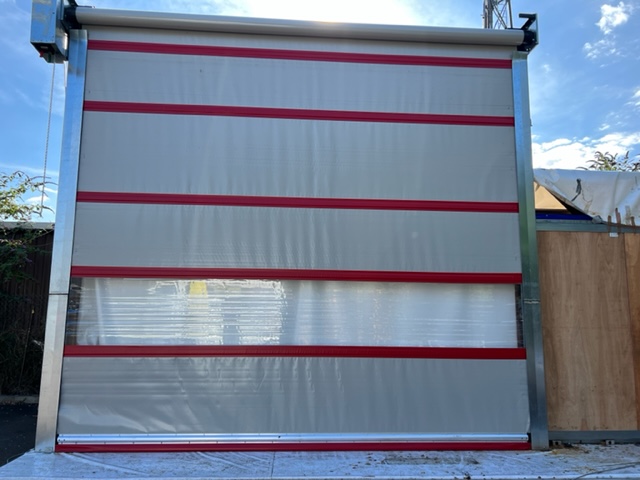
Hart Door Systems, the original British manufacturer of the high-speed door concept, is stream-lining its Speedor range with the introduction Speedor ECO which will complement Hart’s very successful Speedor Storm, Speedor Mini and sub brands such as Speedor Conveyor and Speedor Cleanroom, further strengthening Hart’s overall high-speed door offer.

Hart’s chairman, Doug Hart, explains that the new Speedor ECO is a new mid-range variant suitable for external use up to Class 3 and available up to 5m x 5m size whereas the Speedor Mini is for internal use only to a maximum 4m x 4m size. The  focus with these two Speedor options is on lower price and high-speed doors that can be tailored to meet clients’ budgets.

Mr Hart says: “The new Speedor ECO is a mid-priced high-speed door variant with state of the art direct drives and  controls which are BSEN safety compliant. ECO offers single or variable speed motor, heavy fabric and hand chain operation if necessary. This adds to ECO’s safe operation, reliability and ruggedness.

“Without doubt there is demand for a mid-priced high-speed door variant such as ECO and given our considerable experience, we are the ones to deliver it,” he adds. “ECO will appeal to companies requiring a high-speed door solution but within a tight budget. It is for frequent use, high traffic situations where low maintenance is a priority.

“In all cases across our range of brands, we comply with the new code of practice announced by the DHF Door Hardware Federation and we are ever mindful of post installation maintenance costs. So while Mini and ECO cater for less demanding environments, Speedor Storm’s increasing success is based on its improved, rugged, design predominately for external use up to 8m x 6m/6m x 8m) often in robust operating conditions with high wind loads.

“We have always had quality as our prime driver and our success with new variants, not just in high-speed doors but shutters such as our new Typhoon range, the fundamentals are quality throughout manufacture to installation and service to comply with changing national and international safety standards.

“We are also cognisant of Climate Change issues and the need to keep both Hart’s and our clients carbon footprints to a minimum by using the latest manufacturing technology to streamline the manufacturing process. Where possible we would use recyclable materials.”

Hart Door Systems, now in its 75th year, is a global business supplying a range of door and shutter systems to sectors such as automotive, agriculture, communications, consumer foods, energy, environment, exports, food, logistics, manufacturing, power, sport, transport and utilities.

Contact www.hartdoors.com  t: 0191 214 0404   This email address is being protected from spambots. You need JavaScript enabled to view it.

MECHAN ANSWERS CALL FOR SPACE-SAVING SERVICING

Heavy lifting and handling specialist, Mechan, has transformed the centre of a busy London rail depot into a multi-purpose maintenance space.

The Sheffield-based manufacturer has designed a bespoke wheel drop for the East Ham Train Depot, operated by South Essex and London rail operator, c2c Trenitalia, which enables roof components to be removed in the same location when it is not in use.

East Ham is located on c2c's London, Tilbury and Southend line and is currently seeing numerous upgrades in preparation for the arrival of a new fleet of Alstom Aventra trains.

Working with principal contractor, Spencer Group, a new wheel drop pit was added to East Ham’s Road 10, which is also equipped with high level gantries and a jib crane. Mechan has modified its wheel drop to incorporate hydraulic trapdoors that cover the pit, enabling heating, ventilation and air conditioning units to be placed onto them for removal by forklift.

A wheel drop allows complete wheelsets to be removed or replaced without lifting the rail vehicle, helping to streamline the process. At East Ham, it will be used to change carriage wheelsets on c2c’s new fleet of five-car Class 720 Aventra trains, due in service later this year. Mechan has also ensured the design is compatible with all other fleets maintained at the depot.

Lindsey Mills, Mechan’s sales director, said: “When we received Spencer Group’s specification, we knew East Ham’s unique space constraints would prove challenging for our engineers. However, by working collaboratively with all parties involved, we have designed a bespoke solution to the potential congestion caused by undertaking two maintenance activities in one place and ensured the depot can work efficiently and effectively when the wheel drop is not in use.”


Dan Barrett, c2c’s interim engineering director, added: “This new Mechan wheel drop is an important addition to our depot facilities at East Ham. It will be essential for continued maintenance of our new Aventra units, in addition to being able to support maintenance of our existing Electrostar fleet. The introduction of this equipment will significantly increase our maintenance capability and efficiency.”

For more information about Mechan’s bespoke design and build services, telephone (0114) 257 0563, visit www.mechan.co.uk or follow the firm on Twitter, @mechanuk.

Do not ignore surface preparation prior to adhesive bonding

In terms of surface cleaning prior to any kind of adhesive bonding, Pratley highlights that surface preparation is critical to achieve a high bond strength and optimise the durability, reliability, and lifespan of any bonded joint or repair. “Some surfaces only need to be dusted, while other oily or dirty substrates may require more elaborate surface preparation prior to adhesive bonding,” notes Mark Bell, National Sales and Marketing Manager for Adhesives.

Pratley Safety Cleaner is a versatile product with numerous applications in the DIY and industrial sectors. It is commonly used in the DIY market as a surface cleaner prior to adhesive bonding. Its versatility also makes it ideal as an electrical switch and component cleaner as well as a thread degreaser in workshops prior to using thread-locking adhesives.

“A clean, dry surface is necessary for effective adhesive bonding. If a dirty surface is bonded, the adhesive ends up adhering to the contaminants instead of the intended substrate, thus reducing bond strength. Most adhesives cannot penetrate surface contaminants and thus provide an optimum bond on an unclean or oily surface,” cautions Bell.

Pratley Safety Cleaner is a specially formulated aerosol cleaner that has the major advantage of leaving no oily residue behind. Other benefits are that it is safe and non-flammable. The product is simply sprayed directly onto the surface to be cleaned and then wiped off with a lint free cloth.

Being multipurpose and easy to use, Pratley Safety Cleaner is ideal for DIY home or workshop use, the electrical market, and engineering and industrial workshops. The product is available to the wholesale market in 12 x 200 g spray tins, whereafter it is dispensed in single tins for retail end-use.

“As a Pratley branded product, not only does it offer exceptional reliability, in accordance with our policy statement, our product performance must exceed all others on the global market,” highlights Bell. Commenting further on adhesive surface preparation, Bell stresses the importance of ‘roughening’ surfaces prior to any type of adhesive bonding.

“As a rule of thumb, and where possible, prior to cleaning you should also look at roughening the surface or bond joint using sandpaper prior to any type of adhesive bonding. This not only increases the surface area in contact with the adhesive, but it also allows for additional mechanical interlocking between the adhesive and the substrate,” concludes Bell.

In addition to adhesive bonding preparation, Pratley Safety Cleaner is also ideal for the cleaning of:

  • Switches
  • Relay contacts
  • Commutators
  • Condensers
  • Rheostat wipers
  • Precision mechanical parts, and many more

Pull quote

“In terms of surface cleaning prior to any kind of adhesive bonding, surface preparation is critical to achieve a high bond strength and optimise the durability, reliability, and lifespan of any bonded joint or repair.” – Mark Bell, National Sales and Marketing Manager for Adhesives, Pratley

Social media

Twitter

The versatile, easy-to-use #Pratley Safety Cleaner is perfect for DIY home use, the domestic and industrial electrical market, and engineering and industrial workshops.

Connect with Pratley on Social Media to receive the company’s latest news

Facebook: https://www.facebook.com/PratleySA/

Twitter: https://twitter.com/PratleySA

Stainless Steel Fans for ATEX & Corrosive Fume Extraction

The materials used to manufacture an industrial fan, whether stainless steel, aluminium, mild steel, or polypropylene, will hugely affect the versatility and uses of that fan. The materials of construction used in a centrifugal or axial fan affect weight, hygiene, maintenance, longevity, and appearance. For corrosive environments where hygiene, high temperature and higher duties are in place, stainless steel fans are the route to take.

What is 304 Stainless Steel

304 stainless steel is a corrosive resistant metal that offers low maintenance while withstanding high temperatures. It’s robust and easy to clean making it ideal for intensive cleaning cycles. Particularly where plastic fans may be less suitable due to their size or inability to reach a particular airflow or pressure duty.

How is Stainless Steel Corrosion Resistant?

Stainless steel has built in corrosion resistance due to the amount of chromium present in its composition. Stainless contains a minimum of 10.5% chromium, this chromium reacts with the surrounding oxygen very quickly and forms a thin oxide layer on the steels surface. The chromium oxide clings to the steel and acts as a protective barrier. The oxide is known as a passive film which seals the iron in the alloy, away from the air and water in the environment. This gives the stainless steel its rust resistance.

Should Internal Parts only or the Entire Fan be Stainless Steel?

Having only the internal parts constructed from stainless steel is only applicable when these are the only parts of the fan exposed to the carried corrosive air, as in they’re in the airstream. If the fan is situated permanently in the corrosive air and this affects the outer casing too, then the entire fan should be made from a stainless-steel housing and internal parts.  

Can you Supply ATEX Stainless Steel Fans?

Whatever the application, our 304 stainless-steel corrosive resistant fans are suitable for high operating temperatures, contaminants, or chemicals and even zone 1 ATEX variants for explosive atmospheres. We’ll always ensure we provide you with a fan in the most suitable construction materials. Our ATEX fans are suitable for zone 1 and 2 applications inline with the current ATEX Directive. As dictated in the legislation, fan selections will be made in line with DSEAR inspections, and the reliable information provided by the end user’s specification.

Which Industrial Fans are Offered in Stainless Steel?

Stainless steel is available in most of our medium pressure and high-pressure collection of Casals industrial fans. For smaller corrosion resistant duties in the applications of moving corrosive air effectively, we have an extensive range of polypropylene corrosion resistant fans with an impressive ATEX zone 2 offering.

What are Stainless Steel Centrifugal Fan Lead Times

Our lead time are of the most competitive in the industry given the current issues in the UK market. Bespoke stainless-steel items will always have a slightly extended lead times due to their nature of not being held in stock. This is standard across all fan manufacturers, and we’ll always be competitive on both price and lead time when delivering quotes for bespoke items.

What Finishes are Available on Stainless Steel?

We offer a standard or electropolished finish on all our 304 or 316 stainless steel industrial fans for use in corrosive air or food processing applications. Some customers prefer the aesthetic look of a polished stainless-steel finish while others want a product suitable for purpose without the need to look so polished.

www.axair-fans.co.uk           

Exposure limits and worker safety: Choosing the right personal or portable gas detector

Worker health and safety laws have come a long way in recent years. Even in the last few decades introductions of PPE (personal protective equipment), safer working conditions, and limits on exposure to dangerous chemicals and gases have become commonplace. A key part of being able to ensure these safety regulations are being met is through accurate and regular gas monitoring. ION Science offer world-leading VOC gas instruments that help keep workers safe and healthy both during their working life and long after.

Effective management of VOC (volatile organic compound) exposure on workers is critical for any business where there is a short-term or long-term risk to health (in some cases, both). Monitoring through STEL and TWA (short term exposure limit and time weighted average respectively) is a good way of ensuring workers are not being exposed unnecessarily. It’s also important to provide employees with personal gas detection so they are safe in the event of an unregistered leak or industrial accident. This is particularly important for lone workers, or in those operating in confined spaces where it’s harder to call for help.

Using PID (photoionisation detection) technology in personal and portable gas monitors is the most effective way to help protect workers from harmful VOC exposure. As experts in the development and manufacture of PID solutions, ION Science offer a range of industry-leading personal and portable gas detectors.

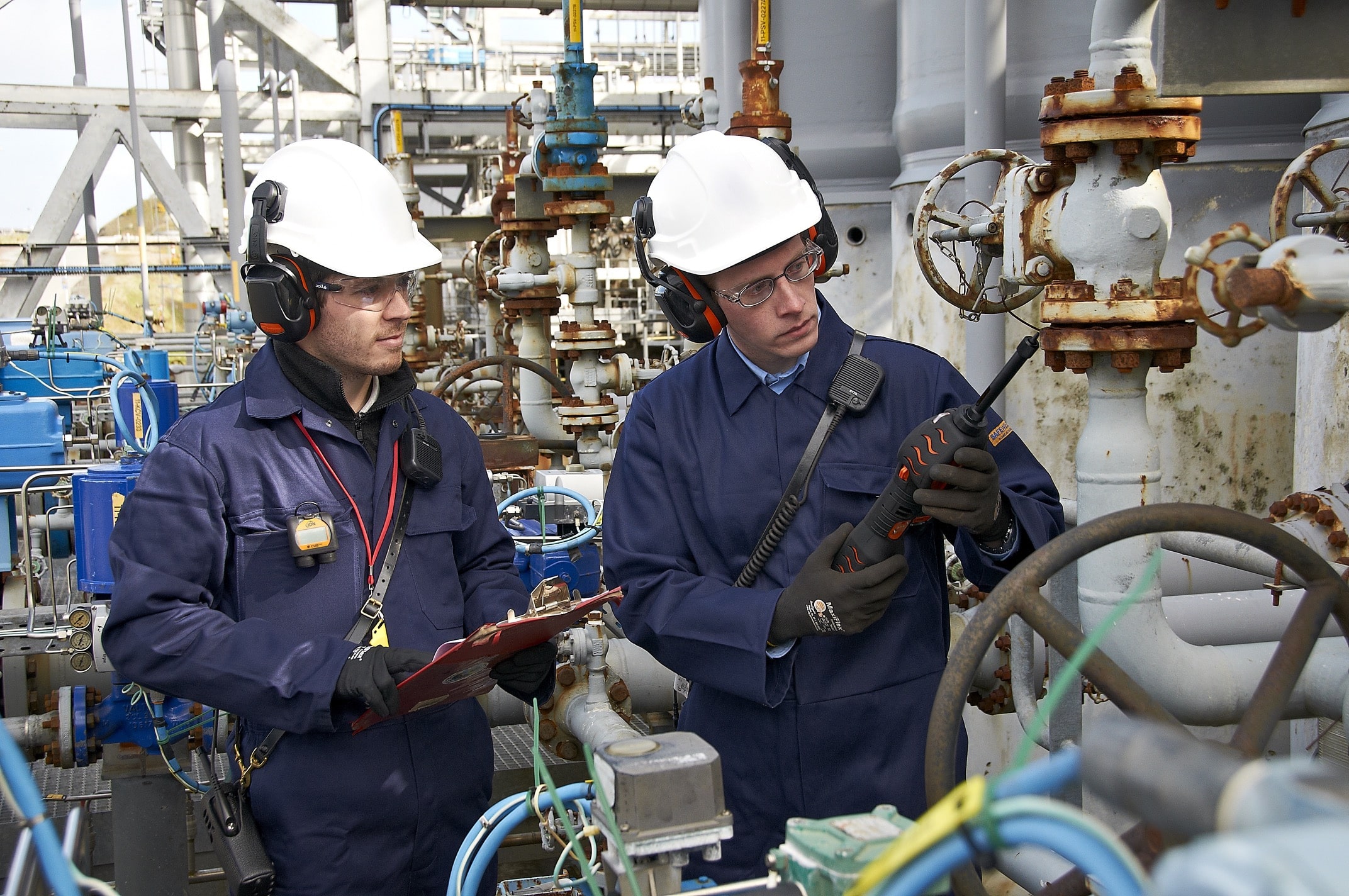
Depending on the industry application and the type of VOC to be monitored, the legally permitted workplace exposure limit (WEL) will vary. Having a fast and accurate response factor time is critical to ensure workers are not exposed more than necessary. ION Science’s Tiger handheld portable gas detector offers the fastest response factor time on the market, able to detect and respond to VOCs in 2 seconds. It is ideal for use in laboratories, clean rooms, leak detection and land contamination.

The Tiger is available with a 10.6 eV sensor or 11.7 eV option and has a dynamic detection range of PPM and PPB. It is also available as the Tiger Select (benzene specific monitoring) and the Tiger LT (an essentials-only version of the Tiger). All versions of the Tiger have a 24-hour battery life and are fully rechargeable. With its anti-contamination and humidity resistant design, the PID sensor in the Tiger can

operate at maximum capacity with no interference. It is also designed to be operated one handed and has a large keypad and back-lit screen to make use in low-light even easier. All these user interface features have been added to make the Tiger excellent for VOC detection, but also easy to use in multiple environments and applications to promote improved safety monitoring.

For protecting long-term worker health, PID gas detectors are much more sensitive than LEL (lower explosive limit) alternatives. Many VOCs can cause serious long term health issues (including cancers) even if exposure at the time was only minor. Protecting people against small exposures over a long period of time is more effective than only protecting them in the event of a large-scale leak or accident, as an LEL would.

Personal gas detection devices that use PID, such as ION Science’s Cub, are an ideal way of protecting staff against VOC exposure. The Cub is designed to be worn on the person within the breathing zone to deliver maximum protection against VOCs. It is available in 10.0 eV, 10.6 eV and 11.7 eV options, allowing for a wide range of VOC detection. The 10.0 and 10.6 versions have a rapid response time of sub 13 seconds, while the 11.7 is even quicker, at sub 11 seconds. All versions are lightweight, have a 12-hour continuous use battery life, and are certified to ATEX and IECEx. Three alarms (audio, light and vibration) alert the wearer in the event of VOC limits being exceeded, and the Cub can operate in 0 - 55 °C, ideal for most environments where workers would be present.

ION Science are continuously researching and developing new ways to use PID technology to protect workers from harmful VOC exposure. The Cub and The Tiger are just two of the ways in which ION Science are helping keep workers safe by using fast response times and accurate detection.

To find out more about ION Science’s range of sensors and gas detection instruments, please visit: