Find ATEX, IECEx, Explosion Protection & Hazardous Area Content...

News

Peli™ Safety Lighting

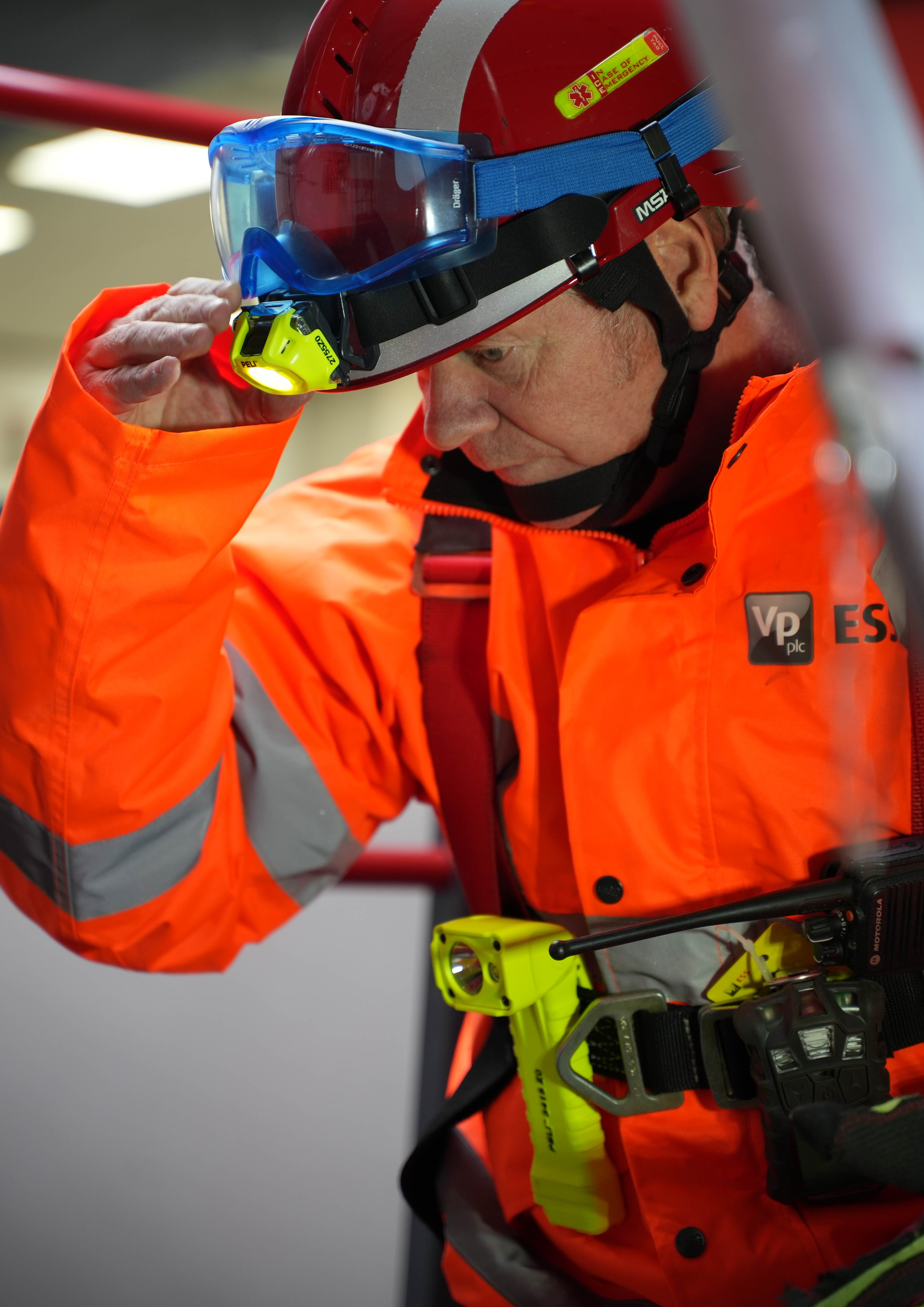
In 2022 Peli Products (UK) Ltd celebrated 30 years in business.  During those years high quality, rugged torches have been a fundamental part of the Peli™ range in the UK.  We now offer a wide choice of safety approved lighting products for professionals working in hazardous areas, all are certified to current ATEX requirements for Zone 0 or Zone 1and are ideal for industrial and offshore use.

The range includes right angled clip on models for hands free use.

The 3765 Zone 0 is a tough rechargeable safety light, ideal for industrial and offshore use.  This rugged torch has a secure clip to attach to clothing and features downcast LEDs to light the path in front. It also has high and low modes and a battery charge level indicator.

The Peli 3415 Zone 0 features a 90° articulating head to angle the light where required.  An integrated clip easily attaches to clothing for hands-free light and also utilises a heavy duty magnet; allowing the torch to be attached to steel surfaces. 

The Peli 2755 Zone 0 is one model in a range of robust headtorches from Peli.  The torch comes with both a rubber and a cloth headstrap, and has three power modes: high, lowand flashing. A hard hat attachment is also included.

Professionals have chosen the Peli brand for many years; trusting in the reliability, performance and durability of the products in the most testing conditions.  

For more details telephone 01457 869999 or go to www.peliproducts.co.uk.

This artice can also be found in the Jan/Feb issue.


Hart sees 2023 as a year of opportunity

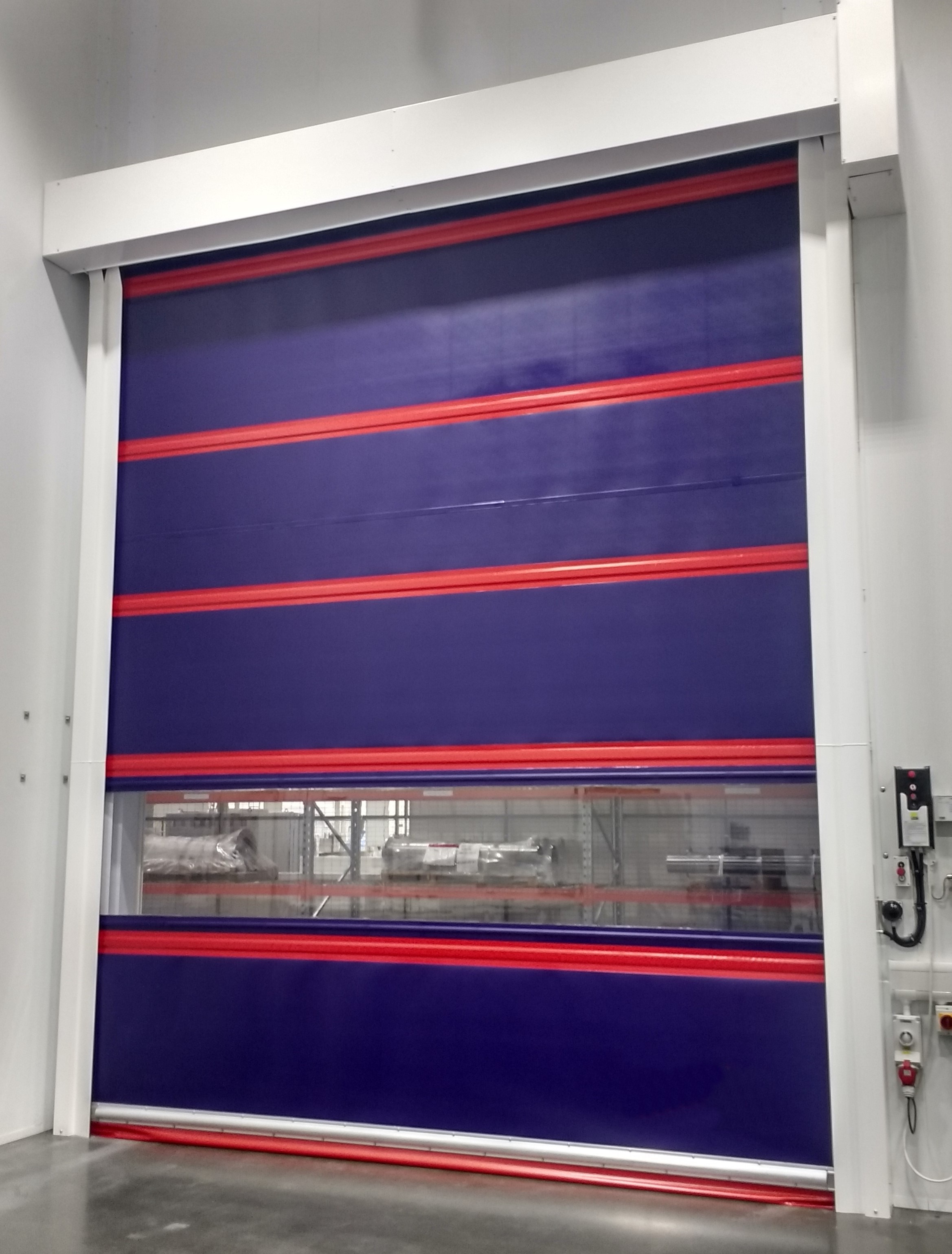
Hart Door Systems, the original British manufacturer of the high-speed door concept, is confident that there are considerable prospects for another successful year for the Speedor brand.

“Our management team led by Nick Hart as managing director and David Mason as sales director has just delivered a very good year when there has been many uncertainties in the UK economy and wider afield.

“In that challenging business environment we have had many successes at home and abroad not just through the Speedor range of high-speed doors but through our range of high quality shutters. Both these leading brands have had additional variants introduced such as Speedor ECO and our Typhoon shutters,” says Doug Hart, chairman, Hart Door Systems.

“The breadth of offer created by the choice of solutions for industry and commerce has cemented our presence in the UK market and globally. The fundamentals delivered by Hart are quality throughout manufacture to installation as well as service back-up to comply with changing national and international safety standards.

“We are also cognisant of Climate Change issues and the need to keep both Hart’s and our clients’ carbon footprints to a minimum by using the latest manufacturing technology to streamline the manufacturing process. Where possible we would use recyclable materials.”

Looking more closely at Speedor ECO, this high-speed door complements Hart’s very successful Speedor Storm, Speedor Mini and sub brands such as Speedor Conveyor and Speedor Cleanroom, further strengthening Hart’s overall high-speed door offer.

Speedor ECO is a new mid-range variant suitable for external use up to Class 3 and available up to 5m x 5m size whereas the Speedor Mini is for internal use only to a maximum 4m x 4m size. The  focus with these two Speedor options is on lower price and high-speed doors that can be tailored to meet clients’ budgets.

Mr Hart says: “With the new Speedor ECO being a mid-priced high-speed door variant withstate of the art direct drives and  controls which are BSEN safety compliant, the ECO offers single or variable speed motor, heavy fabric and hand chain operation if necessary.

This adds to ECO’s many other features such as safe operation, reliability and ruggedness.“We have always had quality as our prime driver and our success with new variants, not just in high-speed doors but shutters such as our new Typhoon range, the fundamentals are quality throughout manufacture to installation and service to comply with changing national and international safety standards,” says Mr Hart.

“Without doubt there is demand for a mid-priced high-speed door variant such as ECO and given our considerable experience, we are the ones to deliver it,” he adds. “ECO will appeal to companies requiring a high-speed door solution but within a tight budget. It is for frequent use, high traffic situations where low maintenance is a priority.

“In all cases across our range of brands, we comply with the new code of practice announced by the DHF Door Hardware Federation and we are ever mindful of post installation maintenance costs. So while Mini and ECO cater for less demanding environments, Speedor Storm’s increasing success is based on its improved, rugged, design predominately for external use up to 8m x 6m/6m x 8m) often in robust operating conditions with high wind loads.

“We have always had quality as our prime driver and our success with new variants, not just in high-speed doors but shutters such as our new Typhoon range, the fundamentals are quality throughout manufacture to installation and service to comply with changing national and international safety standards.”

Hart Door Systems, now in its 75th year, is a global business supplying a range of door and shutter systems to sectors such as automotive, agriculture, communications, consumer foods, energy, environment, exports, food, logistics, manufacturing, power, sport, transport and utilities. 

Contact www.hartdoors.com  t: 0191 214 0404   This email address is being protected from spambots. You need JavaScript enabled to view it.

This article can also be found in the Jan/Feb issue .

 

Concerns grow as HSE records biggest growth in HAVS cases for five years.

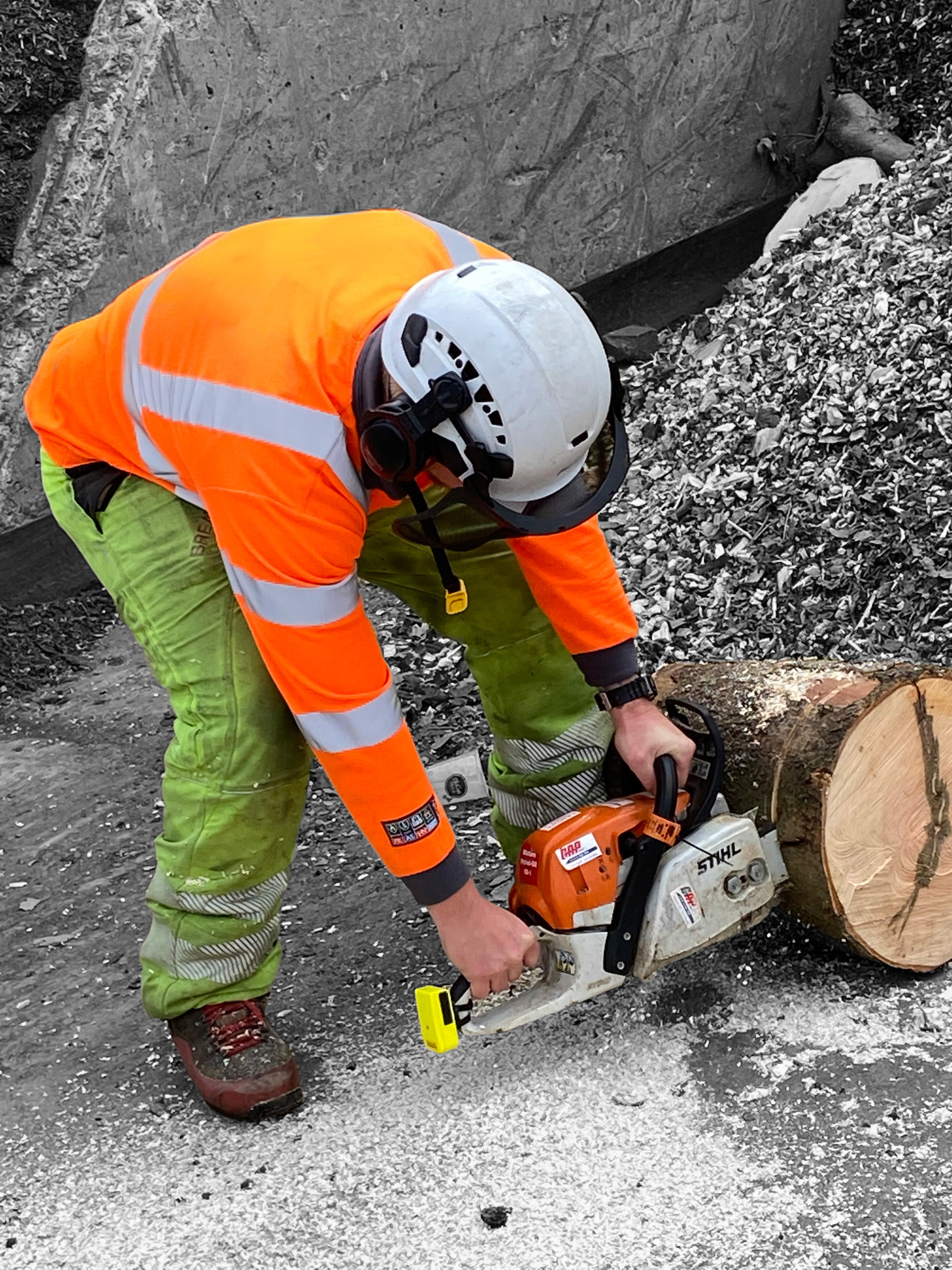
The company behind HAVSPRO, the solution for the accurate, real-time measurement and monitoring of workplace vibration, is highlighting the latest Health & Safety Executive (HSE) figures, released in November 2022, which show a 375 percent rise in new Hand Arm Vibration. 

Over 300 new cases of HAVS were reported in 2021, in addition to 165 new cases of Carpal Tunnel Syndrome (up 412 percent) and 255 new instances of Depuytren’s Contracture (a rise of 392 percent). HAVSPRO points out that these conditions are all easily preventable with appropriate measures in places to protect the workforce.

However, in addition to this disturbingly high rise in cases, the HSE report also shines a light on the extensive array of industries (some previously unconsidered) in which workers are exposed to such debilitating conditions.

Whilst the HSE statistics show the construction and mining industries have long been seen as key contributors to risk in this area, a number of new sectors are revealed as being areas of concern, including ‘service’ industries. The reported data sets include repair of motor vehicles, accommodation and food service activities, and transport and storage as part of the Service sectors that are reporting over 50 percent of new cases in 2021.

More than two million people are at risk from developing HAVS and approximately 300,000 people suffer from HAVS in the UK alone, with companies already feeling the impact of successful worker litigation to the tune of £2.5m in fines alone in the last 7 years - and almost £1.4m of these fines have been since 2018.

Russ Langthorne, Managing Director of SIXIS Technology, the company behind HAVSPRO, and a personal HAVS sufferer himself, is concerned at these significant increases; “These statistics are particularly concerning because the number of new cases is at a five-year high, and not just skewed as a result of the recent pandemic. It is clear that companies need to be taking this growing risk factor more seriously, given the significant impact it can have on both their workforce and their bottom line. Action must be taken now.”

HSE regulations stipulate that “An employer who carries out work which is liable to expose any of their employees to risk from vibration shall make a suitable and sufficient assessment of the risk created by that work to the health and safety of those employees, and the risk assessment shall identify the measures that need to be taken to meet the requirements of these Regulations”.

However, the regulations further state that “There is no legal requirement for continual monitoring and recording of vibration exposure and that to do so would probably not be a good use of your or your employees’ time, unless there are very specific circumstances.”

Russ adds: “Clearly, this huge rise in new cases in a number of related HAVS conditions and across a host of industries, indicates that there is now a very real requirement for businesses to prioritise vibration exposure measuring and monitoring, both to protect their workers and to avoid costly litigation and fines.

“The game changing and simple to adopt HAVSPRO system provides continuous measuring and monitoring of vibration exposure, allowing for a proactive, ALARP-focused approach to vibration risk management. There is no longer any excuse for companies not to engage in doing everything possible to manage the risk from vibration exposure, to as low as reasonably practicable, and to #MakeHAVSHistory.”

For more information, visit the  website.

ELCOME BRINGS STARLINK HIGH-SPEED, LOW-LATENCY INTERNET TO THE GLOBAL MARITIME INDUSTRIES

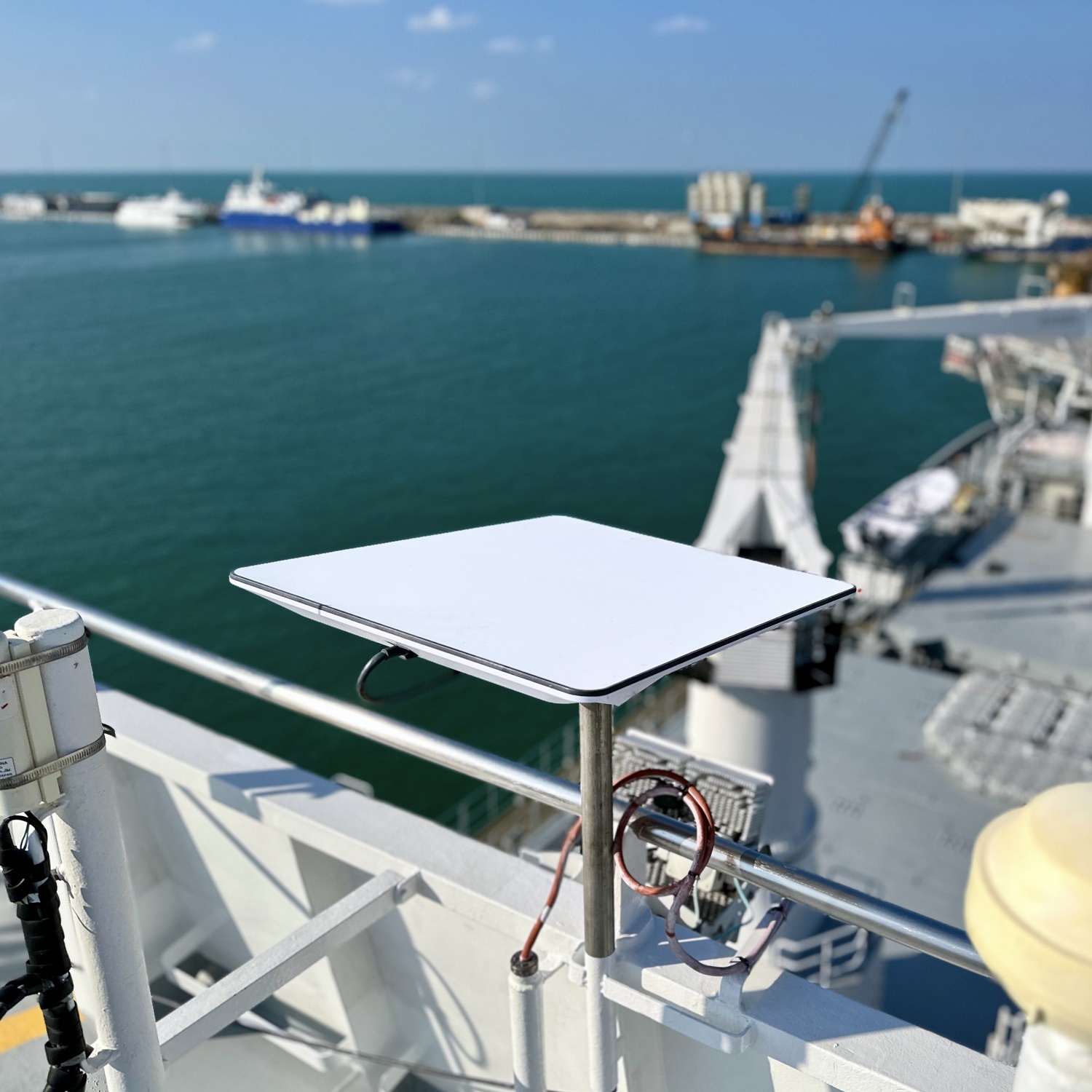
Elcome International, a leading provider of maritime systems and integration solutions, isproviding SpaceX’s Starlink internet services to its global maritime and mobility customers.From merchant vessels to oil rigs to luxury yachts, Starlink enables maritime customers to connect from the most remote waters across the world, just like they would in the office or at home. 

For more than fifty years, Elcome has been providing its maritime customers with communications solutions based on both terrestrial and satellite technology.Starlink is one of the most significant advancements incommunications for the maritime industry in decades.

Powered by the world’s largest constellation of satellites in low Earth orbit, Starlink’s high-speed, low-latency broadband Internet service for all types of maritime and offshore assetsis a revolution in performance and cost. With speeds up to 100 times faster and at a fraction of the cost of traditional satellite internet services, Elcome will equip its customers with cutting-edge technology-led solutions that leverage the unique capabilities of Starlink. 

“We are so excited to bring the benefits of Starlink to our customers,” said Jimmy Grewal, Elcome’s Executive Director. “It’s not just about fast Internet, but the opportunity for us to implement real-time remote monitoring and autonomy solutions for these customers in ways that were not previously possible. Also consider the benefit to crew members who will now be able to better stay in touch with family and friends while out at sea.” 

The company will also provide installation, integration, and field support to customers using Starlink. Elcomehas already implemented multi-antenna Starlink arrays delivering hundreds of megabits of low-latency bandwidth on two superyachts catering to more than 100 crew and guests simultaneously.

Those interested in learning more about Starlink mobility solutions can visit Elcome’s website at https://elcome.com/starlink where they can place orders for delivery to numerous countries around the world.

Orders will be fulfilled from the company’s logistics hubs in Spain, Dubai, and Singapore with a variety of installation and support options available. The company also provides a comprehensive web portal for customers to manage their Starlink subscriptions, including month-to-month billing with no contractual commitments and the option to pause the service.

All eyes on the Moon again

Global interest in space exploration is at a fever pitch as NASA preps its first lunar mission in 50 years. It also brings back memories of Pratley Putty being the only South African manufactured product to have gone to the Moon. Prior to the Apollo 11 mission, the Ranger project of the 1960s was the first US effort to launch probes directly towards the Moon. This laid the groundwork for the successful Apollo 11 mission.

During the 1960s, South African manufacturer Pratley invented the world’s first epoxy putty. Initially it was intended to be used internally for insulating and affixing terminals to cast iron electrical junction boxes. However, the product was subsequently introduced into the local market as ‘Pratley Plastic Putty’, a name that ultimately became Pratley Putty.

An agreement to manufacture the product under licence in the United States was concluded with a US manufacturer, which introduced the product to NASA. However, the product was not yet ready for production in the United States. Subsequently when it was decided to use it on the Ranger programme, it was supplied directly from Pratley’s head office in South Africa. Consequently, Pratley Putty achieved recognition as the only South African manufactured product to ever go to the Moon.

The South African Mint celebrated the 50th anniversary of the first Moon landing in 2019 with its ‘South African inventions’ series, focusing on the ‘proudly South African’ Pratley Putty. In October 2019, Pratley Putty was featured as part of a ‘Destination Moon’ exhibition at the Sci-Bono Discovery Centre in the historic Electric Workshop in the cultural precinct of Newtown, Johannesburg.

“Our roots are in innovation, research and development. It is a cornerstone of what we do at Pratley, and we continue to live and breathe by it,” comments CEO Andrew Pratley. “Pratley branded products not only offer exceptional reliability, but in accordance with our policy statement, their performance must exceed all others on the world market.”

Pull quote

“Our roots are in innovation, research and development. It is a cornerstone of what we do at Pratley, and we continue to live and breathe by it.” – Andrew Pratley, CEO, Pratley


Product safety to come under the spotlight in 2023


BSIF CEO Alan Murray explains why 2023 will see a greater focus on product safety, including increased scrutiny on the safety and compliance of goods sold by third-party sellers on online marketplaces. 

The UK has always had a reputation for stringent product safety standards but with constant innovation and the rise of e-commerce many markets have become increasingly hard to regulate.

PPE is a case in point. The COVID pandemic highlighted how quickly substandard and potentially dangerous products can find their way onto the market with reports suggesting billions of pounds of public money were ultimately wasted on unusable PPE.

Unfortunately substandard PPE isnt just a COVID problem. Unacceptable products have been finding their way on to UK marketplaces prior to COVID and continue to do so today.

This is illustrated by the BSIFs latest analysis. As well as auditing the BSIF membership annually to verify their compliance and competence, we test a selection of PPE from non-BSIF members. Between December 2021 and December 2022, a total of 118 non-member products were tested. Only 15 (13%) of these products passed the test, with the results for five of the products still pending. This means 98 products (83%) failed to meet the test's criteria, many of which are still available and being sold to unsuspecting users.

These findings are in contrast with products supplied by BSIF Registered Safety Suppliers who are committed to only selling certified PPE and trading honestly and ethically

Whats changing?

2023 will see the introduction of a new post-EU Product Safety Framework which will help to strengthen the rules around the sale of products including PPE. Timings for publication of the framework are still to be confirmed, but there will be a strong focus on improving the safety and compliance of goods sold by third-party sellers on online marketplaces. We expect to see stricter responsibilities for online vendors and harsher penalties for those who fail to comply.

At the same time, the Environmental, Social & Corporate Governance (ESG) agenda is having a growing impact. Companies looking to strengthen their ESG performance are closely scrutinising the credentials of their suppliers and choosing only to work with responsible companies. When it comes to buying PPE and safety equipment, many buyers now realise that specifying the BSIFs Registered Safety Supplier Scheme is the easiest way to ensure they are only dealing with suppliers who are compliant, competent and trustworthy.

Its therefore no surprise that we saw a significant number of public and private sector organisations mandate the Registered Safety Supplier Scheme for their supply chains in 2022. As the focus on products safety sharpens in 2023 we expect that number to increase.

For a full list of Registered Safety Suppliers, visit: https://www.registeredsafetysupplierscheme.co.uk/

Product safety to come under the spotlight in 2023

80C38B06 3157 4EA9 B933 6727E695DC74

BSIF CEO Alan Murray explains why 2023 will see a greater focus on product safety, including increased scrutiny on the safety and compliance of goods sold by third-party sellers on online marketplaces. 

The UK has always had a reputation for stringent product safety standards but with constant innovation and the rise of e-commerce many markets have become increasingly hard to regulate.

PPE is a case in point. The COVID pandemic highlighted how quickly substandard and potentially dangerous products can find their way onto the market with reports suggesting billions of pounds of public money were ultimately wasted on unusable PPE.

Unfortunately substandard PPE isnt just a COVID problem. Unacceptable products have been finding their way on to UK marketplaces prior to COVID and continue to do so today.

This is illustrated by the BSIFs latest analysis. As well as auditing the BSIF membership annually to verify their compliance and competence, we test a selection of PPE from non-BSIF members. Between December 2021 and December 2022, a total of 118 non-member products were tested. Only 15 (13%) of these products passed the test, with the results for five of the products still pending. This means 98 products (83%) failed to meet the test's criteria, many of which are still available and being sold to unsuspecting users.

These findings are in contrast with products supplied by BSIF Registered Safety Suppliers who are committed to only selling certified PPE and trading honestly and ethically

Whats changing?

2023 will see the introduction of a new post-EU Product Safety Framework which will help to strengthen the rules around the sale of products including PPE. Timings for publication of the framework are still to be confirmed, but there will be a strong focus on improving the safety and compliance of goods sold by third-party sellers on online marketplaces. We expect to see stricter responsibilities for online vendors and harsher penalties for those who fail to comply.

At the same time, the Environmental, Social & Corporate Governance (ESG) agenda is having a growing impact. Companies looking to strengthen their ESG performance are closely scrutinising the credentials of their suppliers and choosing only to work with responsible companies. When it comes to buying PPE and safety equipment, many buyers now realise that specifying the BSIFs Registered Safety Supplier Scheme is the easiest way to ensure they are only dealing with suppliers who are compliant, competent and trustworthy.

Its therefore no surprise that we saw a significant number of public and private sector organisations mandate the Registered Safety Supplier Scheme for their supply chains in 2022. As the focus on products safety sharpens in 2023 we expect that number to increase.

For a full list of Registered Safety Suppliers, visit: https://www.registeredsafetysupplierscheme.co.uk/

High quality and precise burst behaviour, even in harsh processes The move from mechanical scoring to unique CPX™ manufacturing

The continued development of in-house technology by the German rupture disc manufacturer REMBE allows the company to manufacture rupture discs with sustainable advantages and industry-leading performance characteristics for a wide range of industries and sectors.

Contour Precision Lasering (CPL™) and Contour Precision Profiling (CPP™) enables high quality, accurate, burst control even in the harshest of chemical environments. With the CPL™ the predetermined breaking points are sublimated using a laser with high-tech equipment and not, as is the case with other manufacturing methods, mechanically scored. This high-tech production method includes a digitisation of the rupture disc contour, whereby extremely high structural stability of the rupture disc as well as the most precise burst pressure and opening geometries are achieved when bursting. Based on this innovative technology, the Sauerland-based company is creating the CPX technology series. Thanks to its improved, high-precision and at the same time robust features, CPX is excellently suited for industries with harsh conditions, aggressive process media and even for processes in which strict hygiene standards must be met.

In contrast to traditional mechanical scoring, with the CPL™ manufacturing method, the material structure of the rupture disc (including the opening lines of the rupture disc) is not thermally affected or mechanically integrally weakened. The surface facing the process remains completely smooth and without unevenness, scratches or indentations, which means that the rupture disc cannot be affected by product deposits from the often aggressive process medium. 

The known IKB-, IKB-X- and SFD types are the “classics” of the CPX series. Even rupture discs already installed in plants can easily and quickly be replaced with a CPX version, which means that, in addition to maximising plant availability, the incurred operating costs can also be reduced without much effort.

In summary, rupture discs of the innovative manufacturing method CPL™ offer the following advantages: 

• Durability thanks to a robust design
• Lower burst pressures with tighter tolerances
• Precise bursting behaviour and extreme reliability
• Resistance to corrosion and pin-holing
• Cost efficiency thanks to the high production speed
81D75645 C3AB 4434 8104 0A2F9C9B687B
 
Fig. 1: Contour Precision Profiling (CPP)
 
REMBE Research+TechnologyCenter GmbH (www.rembe-rtc.de)
REMBE Advanced Services+Solutions GmbH (www.rembe-services.de)
REMBE Kersting GmbH (www.rembe-kersting.de)
REMBE FibreForce GmbH (www.argusline.de)


Hi-line reports sales growth and major plans for 2023

Hi-line Industries, a UK-based leader in the design, manufacture and installation of energy-efficient compressed air purification equipment, is reporting continued growth in year-on-year sales, with results for the last quarter well ahead of forecast. This positive news is a reflection of the added value provided by the company’s products and services, which help UK users of compressed air to achieve genuine competitive gain.

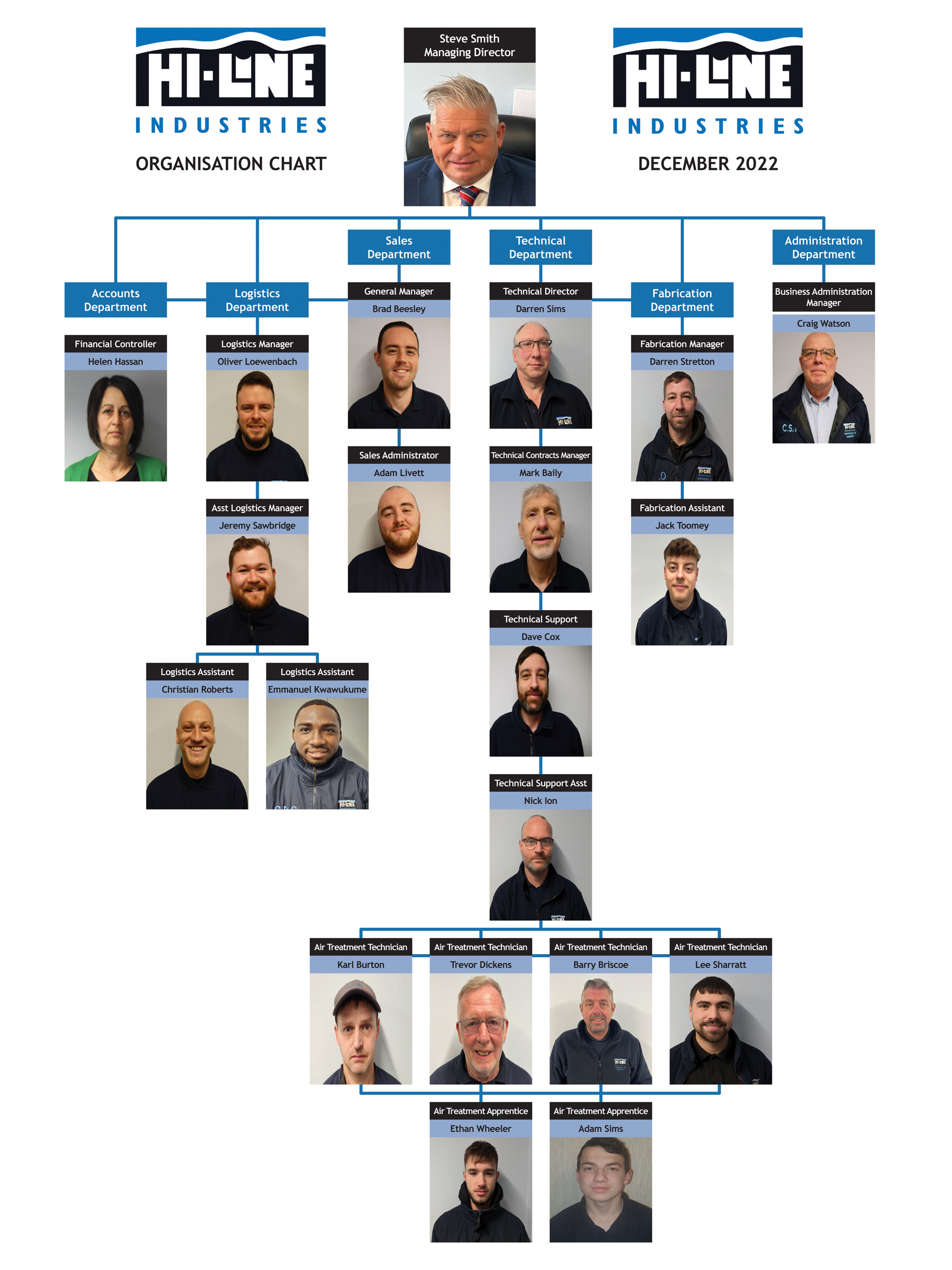
To support its growing sales, Hi-line has completed a management reshuffle that will ensure its expanding customer base can take advantage of even higher service levels. Following on from the appointment of Steve Smith as Managing Director in May 2022, Brad Beesley is now General Manager, heading up the Sales Department. In addition, Darren Sims now sits at the helm of the Technical Department as the company’s new Technical Director, while Craig Watson takes up the role of Business Administration Manager to lead Hi-line’s Administration Department. All report directly to Steve Smith.

Everything about Hi-line at present centres on growth, emphasising the success story of this forward-thinking UK manufacturing business. By way of example, spring 2023 will see the start of an extension to the company’s UK headquarters in Burton-upon-Trent. This significant project will provide a huge boon to the in-house manufacturing processes, while simultaneously increasing warehouse space. 

In another notable investment, Hi-line’s Technical Department is looking to implement new software that will further enhance the company’s CRM (Customer Relationship Management) activities. The new software suite, which will be of great benefit to Hi-line’s service contract customers, will integrate with the company’s cloud-based Xero accounting software.

​​​​​​​​​​​​​​Continued ……

Hi-line also takes its corporate sustainability responsibilities extremely seriously, which is why the company is currently installing a series of electric vehicle chargers at its Burton-upon-Trent facility. This activity precedes a number of electric vehicles currently on order, which will drive down carbon emissions and support Hi-line’s position as an industry flagbearer for environmental issues. Many of the company’s products also underpin this ethos, largely via innovative technologies that help to reduce energy consumption.

In a further environmental project, Hi-line will be self-sufficient with solar energy by 31 March 2023, delivering a huge milestone in the company’s carbon-offset programme. 

As a final positive note, Hi-line reports that recruitment is currently at an all-time high, with the company set to announce more appointments in the near future, likely filling vacancies in the Logistics and Technical Departments. In addition, two local apprentices have just started their BCAS (British Compressed Air Society) Apprenticeship Scheme at Hi-line Industries, facilitating the vitally important succession of industry skills. 

“We’re really happy with our impressive sales performance as it means we can reinvest in our business to deliver even more growth moving forward,” says Managing Director Steve Smith. “Investments in new floor space, staff members and green technologies – alongside our newly conceived management structure – will mean that Hi-line remains on a progressive and secure footing. The future is looking extremely bright for Hi-line and I look forward to seeing what we can achieve in the years ahead.”

e-mail: This email address is being protected from spambots. You need JavaScript enabled to view it.


Reducing Mechanical Sparks & Friction Explosions with ATEX Fans

CB5E3391 F181 4009 B2C0 146C19D777A6

Mechanical sparks and friction are one of the most common causes of ignition of flammable gases and dust clouds. Accident statistics in Germany indicate that mechanical sparks and friction as an ignition source occurred in 32.7% of incidents.

Incorrectly selected, or fans deemed unsuitable for hazardous areas, can produce an effective ignition source caused by various incidents; hot surfaces, by mechanically generated sparks because of friction, impact, or abrasion processes (because of contact between the rotor – the rotating part, and fixed components) or by the electric discharge of static electricity when using non-conductive materials.

In the normal operation, or in the event of malfunctions (whether standard or rare), possible friction caused by areas meeting one another can occur. As stated in the ATEX directive and adopted into UK legislation, potential areas of contact between the rotating elements and fixed components of equipment for use in potentially explosive environments, should be manufactured from materials in which the risk of ignition caused by friction and friction impact sparks, hot spots or hot surfaces is minimised. This applies specifically to the construction and manufacture of explosion proof industrial fans. Ignition risks cannot be completely eliminated but can be significantly reduced by taking suitable constructive measures for avoiding ignition sources.  

European and UK Directives are clear on the permissible material pairings that are suitable to reduce the ignition source caused by friction of rotating and fixed component parts. Material pairings are considered carefully by fan manufacturers and authorised bodies. They use their theoretical and practical knowledge, coupled with the known application conditions for the environment in question, the safest material pairing and other compulsory technical specifications to determine how a product is chosen for an explosive environment.

Material pairings are devised and communicated in legislationdocumentation to minimise the risk of an explosion. Industrial fans in systems or machinery, are generally not supervised continuously and contact between rotating and stationary orfixed components, may occur in a particular area for an unknown amount of time, potentially in long intervals. 

Metal to Metal Ignition

Metal to metal ignition is caused either by rubbing friction, as mentioned earlier, such as between a rotating impeller and a stationary piece of metal, or by impact of two metal objects. Research has shown that in metal-to-metal contact, the properties of the more readily oxidised metal, normally determine the degree of ignition hazard. The hardness, melting point, ignition temperature, specific heat conductivity and brittleness of the metals all play a role, in that they determine the size, duration, temperature and heat capacity of the incendive sparks. 

An important precondition for all the protection principles is that parts which are in unhindered contact with the explosive atmosphere must not be able to reach non-permitted high temperatures with respect to the ignition temperature of substances present in the site of installation. This means that the ignition temperature is relevant for all protection principles. We cover temperature classes and surface temperature on our website.

The standard EN14986 dictates minimum design rules that industrial fans for hazardous areas should comply with. In relation to the material pairings that we introduced earlier, the below briefly seeks to improve your knowledge of the parts of ATEX fans that indicate the rotating and stationary parts that must be manufactured from these permissible materials to reduce the risk of sparks and hot spots due to frictional rubbing in the event of movement between the two parts. For more information on a wide range of ATEX topics please visit our website.

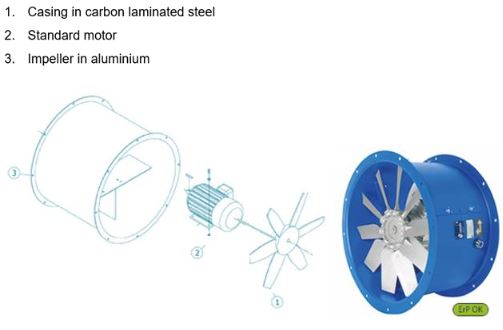
ATEX Axial Fans 

In axial fans the two parts are:

Rotating: Impeller, tip of the blades.

Stationary: The fan casing & ring

AC66B6CC 04E9 4A5E 8036 0AAEB0668905

www.axair-fans.co.uk

This article can also be found in the Jan/Feb isuse.