Find ATEX, IECEx, Explosion Protection & Hazardous Area Content...

News

Belzona Opens Fifth European SuperWrap Training Centre


4FAD15A3 6342 4EF8 A489 72C3D006FA16


Figure 1: André van der Graaf, Product Manager, Perspect Benelux, outside the new SuperWrapII Training Centre

Belzona, global manufacturer of polymeric repair and protection materials, has opened its fifth SuperWrap II Training Centre on the European continent in partnership withits Dutch Distributor, Perspect Benelux.

Belzona SuperWrap II is a composite pipe and tank repair system, primarily used on damaged pipes and tank walls for a fast return-to-service. The system comprises of a fluid-grade epoxy resin, a reinforcement sheet based on fibre glass and carbon fibre, and a release film to consolidate repairs.

The pipe repair kit is available in three enhanced resins for application at different service temperatures, meaning that the solution can withstand temperatures between -60°C (-76 °F) and 150°C (302°F) once cured.

3DFC3BAA 83E7 46B2 9A6C 9E04B6DCE3888D9CF2E1 6D82 4564 A452 F706416C55CB

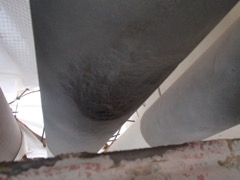
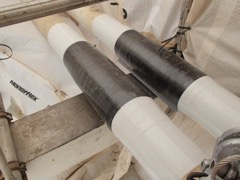
Figures 2 & 3: Before (left) and after (right) images of Belzona SuperWrap II being used to restore strength to corroded pipe walls


André van der Graaf, Product Manager at Perspect Benelux,responsible for training at the facility, said: “After an intensive course at Belzona’s training facility in Harrogate, I’m glad to share my knowledge on how to apply the Belzona SuperWrap II system as a fully certified trainer. We are working very hard to optimise our facility in Dordrecht, Netherlands, to receive interested parties on how to apply Belzona SuperWrap II incertified conditions.”

Perspect Benelux has obtained a wealth of experience inproviding for its customers in areas such as pipe repair and tank linings. The opening of the new certified Belzona SuperWrap II Training Centre will enable the Company to share its expertise with project leaders and maintenance colleagues.

In addition to the new centre in the Netherlands, SuperWrap II Supervisor and Installer Training is available in the European region at Beltech Solutions AS (Norway), Alliatech (France), Rodator (Spain) and B.S. Italia (Italy). An extensive range of courses is also offered at Belzona’s Corporate Headquarters in Harrogate (UK), Miami (USA), Ontario (Canada), Chonburi (Thailand) and Nanjing (China), ensuring consistently highapplication standards for Belzona solutions across the globe.

Meanwhile, Belzona recently opened its first training facility on African soil at AESSEAL, South Africa, ensuring that its Contractors can access a first class standard of training no matter where they are based.

Ian Wade, Belzona’s Technical Services Manager, said: “The opening of Belzona’s SuperWrap II Training Centres, which are an extension of Belzona Corporate training, will help ensure that Installer and Supervisor training is available in the region to ultimately grow the Belzona SuperWrap II systemwhile offering high end training and technical support.”

Since 2021, training standards are upheld by the Belzona Corporate SuperWrap II Trainer Committee which audits trainers and facilities, as well as internal staff, every two years to renew their SuperWrap accreditations.

All SuperWrap training is also carried out in line with ISO 24817 and ASME PCC-2, ensuring that applications are taught to industry recognised engineering standards, while the courses can be delivered in either English or the respective native language of each Centre to maximise accessibility.

Belzona’s Application and Training Programme promotes safe and successful applications of its products, building on over 70 years of experience by minimising failures and continuing to demonstrate innovation and expertise in industrial polymeric coatings.

For more information about Belzona’s Application and Training Programme, please click here: https://www.belzona.com/en/about/training.aspx


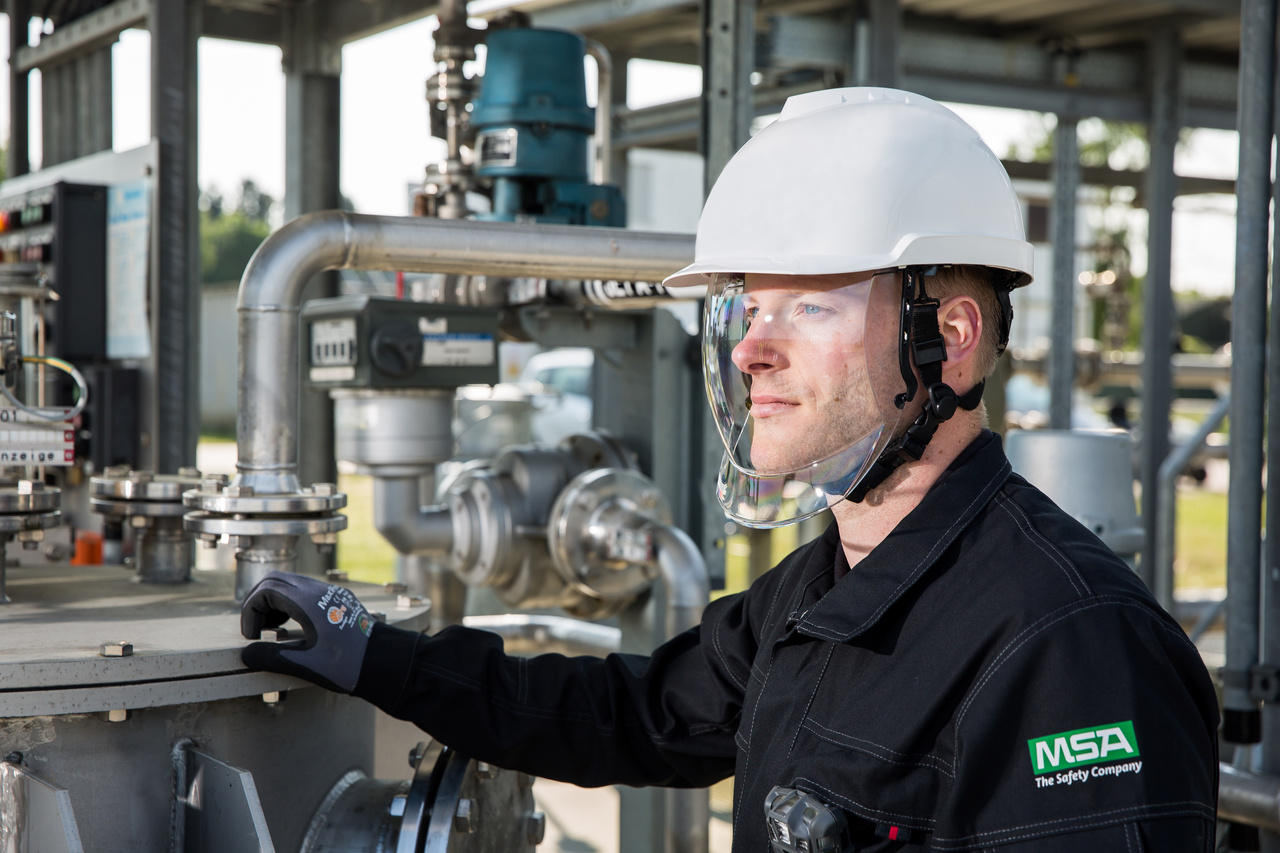
Best Practice for choosing the helmet your team will want to wear”

In the safety game, we all know too well that the safest equipment is the one your team is willing to wear.   Despite hard hats being a critical component of keeping your employees safe from harm, a recent survey we commissioned unveiled that nearly 50 per cent of workers “don’t ever” or “rarely” wore a hard hat.  Just 17 per cent of respondents said that the wear a hard hat most of the time.  

When asked what put people off from wearing a hard hat:

• 26 per cent of respondents said they were uncomfortable,
• 18 per cent said that they stopped them from doing their jobs properly,
• 10 per cent said they made them feel too hot
• And six per cent said that hard hats don’t fit properly.  

Taking the lead in changing behaviour

It should come as little surprise, given these issues cited, that many workers end up running the risk of not wearing a hard hat. 

Uncomfortable, bulky and ill-fitting helmets hinder a worker’s ability to do their job properly, and contributes to them spending more time worrying about their hard hat than the job at hand – which is dangerous in its own right.  

It’s the responsibility of the safety industry to change this behaviour.  While, of course, hard hats need to be safe, they also need to be comfortable and well-fitting so that people actually want to wear them.

Taking pride in your appearance

Providing workers with a helmet they can be proud of is so important.  When a manager provides a workforce with a quality hard hat, that has a low-profile and modern design, it represents a certain level of investment in them and their safety.  

Heads come in all shapes and sizes, and workers need the ability to re-size hard hats to a secure and comfortable fit.  While, customising hard hats with company logos and messaging can also help to foster a sense of pride and belonging to a team.  

Here at MSA, we understand that hard hat comfort and fit aren’t nice-to-haves, but essential to safe site operation.  That’s because we’ve been protecting lives for over 100 years. 

MSA Safety is the designer, manufacturer and supplier of industry-leading safety products – including its iconic V-Gard® head protection range, used by millions of workers in the toughest environments.  

Our team is here to help make purchasing high quality, customised hard hats, quick and hassle-free.  And, if you’re using a safety helmet from another brand, for a limited time we are offering a free front logo if you make the switch to us. 

Visitmsasafety.com/customhardhatsto experience the benefits of hard-hat customisation for yourself.

Network Rail Approval for Enerpac Lightweight Rail Stressing Kit

Network Rail Approval for Enerpac Lightweight Rail Stressing Kit

Easy modular construction and environmentally safer than existing stressing systems

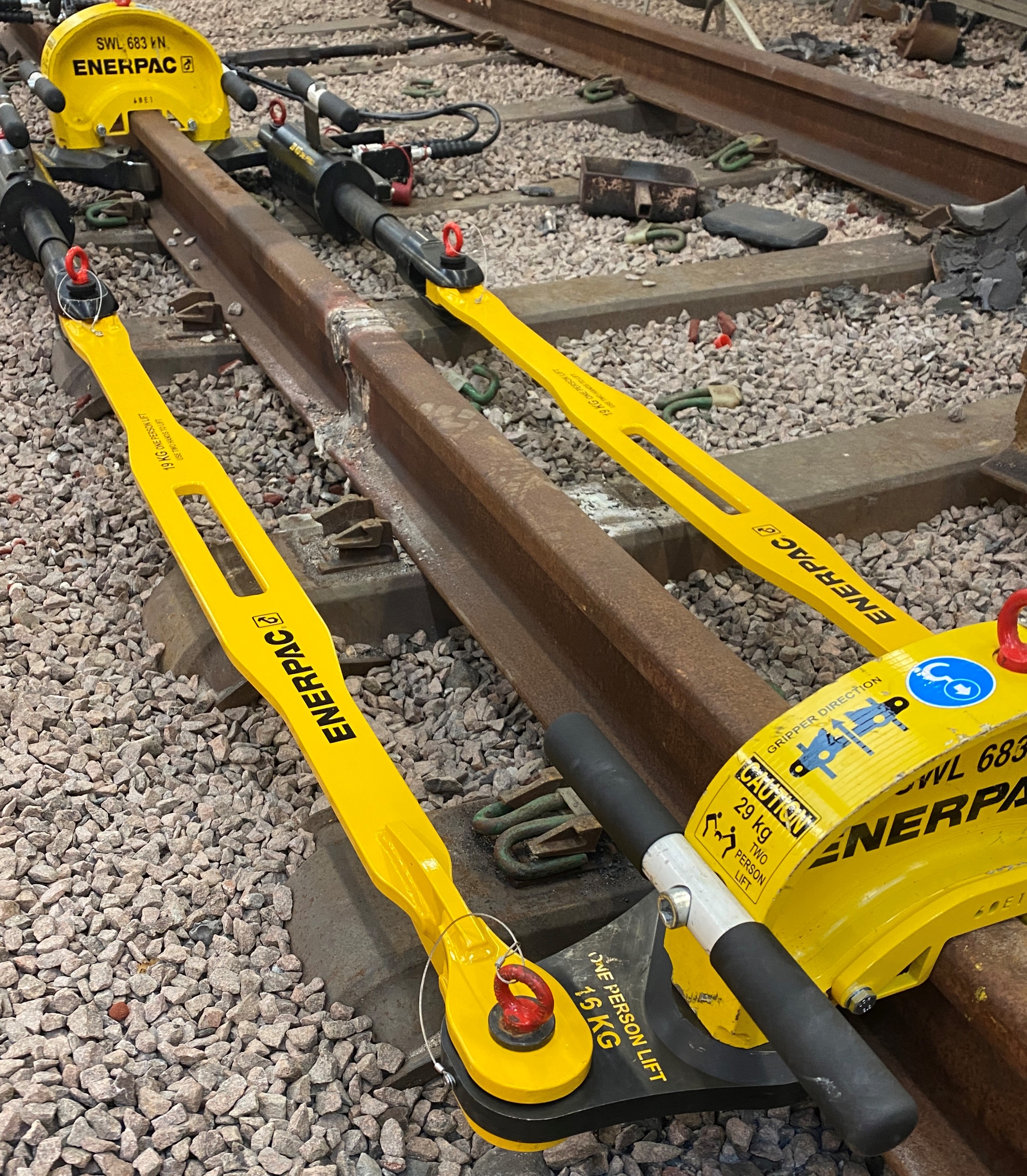
The Enerpac RP70A lightweight rail stressing kit for railway maintenance crews that is easier to transport and assemble and up to three times lighter than similar tools, is now Network Rail approved. The RP-70A hydraulic rail stressor and Enerpac ZC3-Series battery powered stressing pump provide a cordless, zero emission, rail stressor kit for rail track thermite welding.

Traditional fully assembled rail pullers are too heavy for operators to comfortably transport and deploy safely and quickly. The RP70A stressor uses modular components that can be assembled and installed on site without the need for tools, making preparation for rail stressing easier and safer. Assembly typically takes less than 2 minutes.

National Rail Registration

Registered with UK National Rail under Certificate of Acceptance PA05/06958, the Enerpac rail stressing kit is designed for railway maintenance crews who assemble and install the rail puller directly on site when adjusting the gap between rail ends for rail stressing, rail welding, repairing rail failures and servicing insulators. The durable, easy-to-assemble components, where each component is either a one or two man lift, including ZC3-Series pump and hose set, are up to three times lighter than similar tools. The complete kit can be transported in an optional specially designed steel transport frame.

The Enerpac RP70A stressor has a 70-ton pulling and 35-ton pushing capacity while holding the rail in neutral length during the thermite welding process. It uses aluminium, double-acting hydraulic cylinders enclosed within steel sleeves to protect the cylinder rods from damage, particularly weld splatter. For ease of handling and lifting, the RP70A includes certified lifting eyes.

The stressor is interchangeable with a range of powerpacks and is compatible with the cordless Enerpac ZC3-Series battery powered pump for a complete clean energy solution. This is especially useful when conducting rail stressing in tunnels and other enclosed spaces.

“For rail maintenance engineers faced with track that’s inaccessible without the cost and delay of using a crane to install a fully assembled rail puller, the Enerpac RP70A is the perfect solution,” says Patrick Frencken, Key Account Manager North West Europe, Enerpac. “What’s more, when used in combination with an Enerpac ZC3-Series battery powered pump you have a far greener and safer operation compared with a gas/petro-powered hydraulic pump.”

To learn more about the latest Enerpac tools, visit the Enerpac Innovations page on www.enerpac.com.

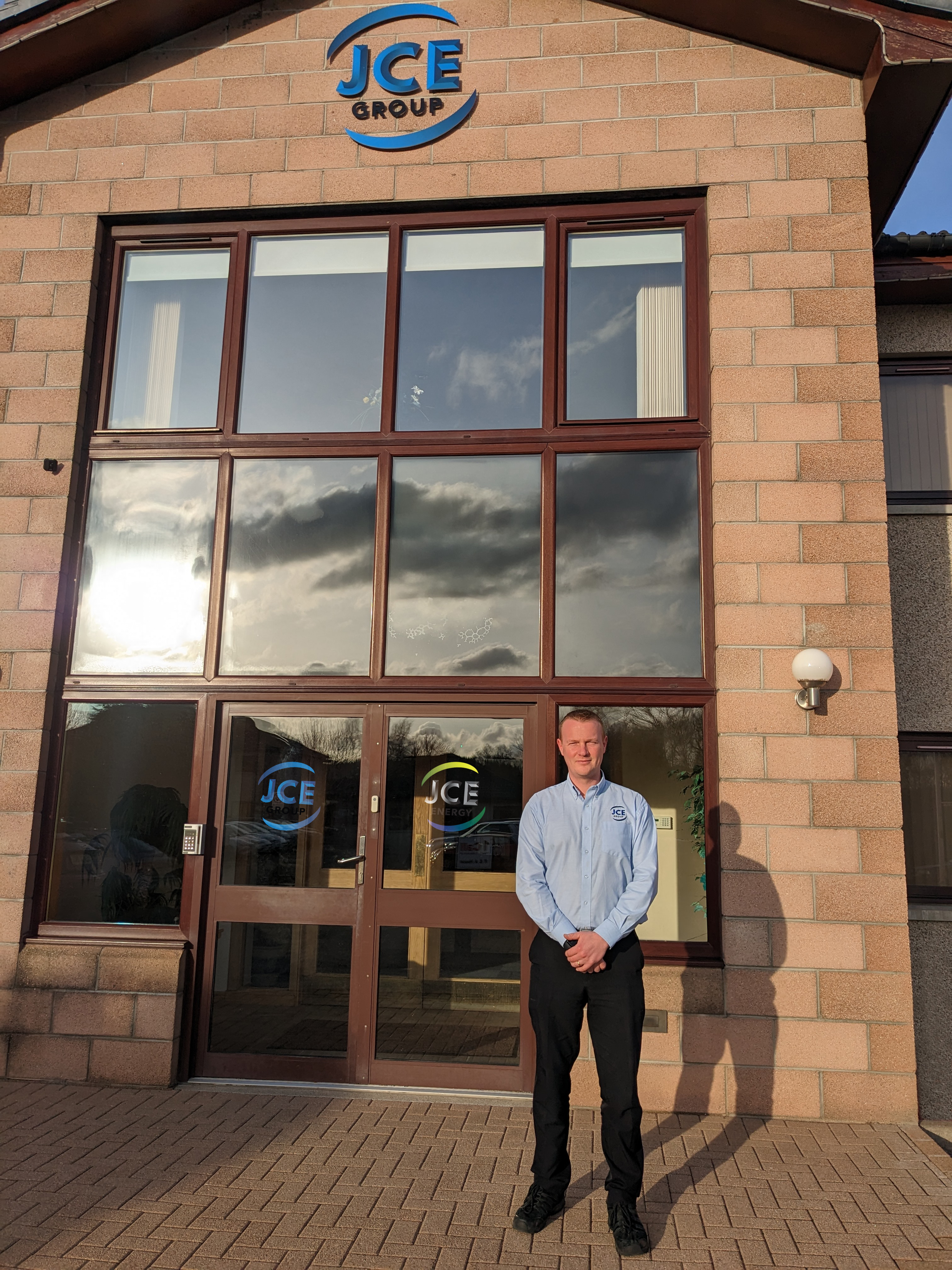
JCE Group appoints new Operations Director & announces various promotions

A056412E 0685 47EB 94FB 81F7644FDA45

JCE Group is pleased to announce the appointment of Rik Christie as Operations Director following years of dedicatedservice. 

Rik has progressed through the Company since he joined in 1999 and has dedicated his career to making sure JCE is at the forefront of technology today.

Rik said, “I am delighted to accept the opportunity to become a Director at JCE. During my time at JCE I have seen the company grow and diversify in new and exciting directions. We always challenge ourselves to be the best we can and pride ourselves on being able to provide bespoke solutions. I look forward to continuing to grow the company in the years ahead.”

JCE Group is an Aberdeen based organisation, with over 35 years’ experience in the design and manufacture of high quality, internationally approved Electrical Control Systemsfor global applications where both hazardous and non-hazardous conditions exist. JCE Energy is an innovative division established in 1998 to provide specialist solutions for all aspects of renewable energy projects. 

Managing Director, Martin Craig said “we are delighted that Rik has accepted the position of Operations Director as he has demonstrated his loyalty over the last 24 years and he is intent on growing the Company.”

Two promotions have also been announced by JCE to bolster the team, Ryan Wallace to Works Manager and Stuart Campbell to Engineering Manager. They have bothprogressed through the Company from trainee level, which demonstrates JCE’s commitment to their staff, providing them with opportunities to develop.

To cope with the increased workload, for the whole of 2023 and beyond, JCE has created new positions in its production department for Electrical Panel Wirers and Semi SkilledElectrical Fitters. The Company is also looking to grow itsengineering team, currently recruiting Electrical Engineers and several new roles.Visit www.jcegroup.com/careersfor full details.

Watch out for non-compliant PPE and safety equipment, warns safety body

18E444B2 3AF5 40A9 97B7 E7E3367AB6A9

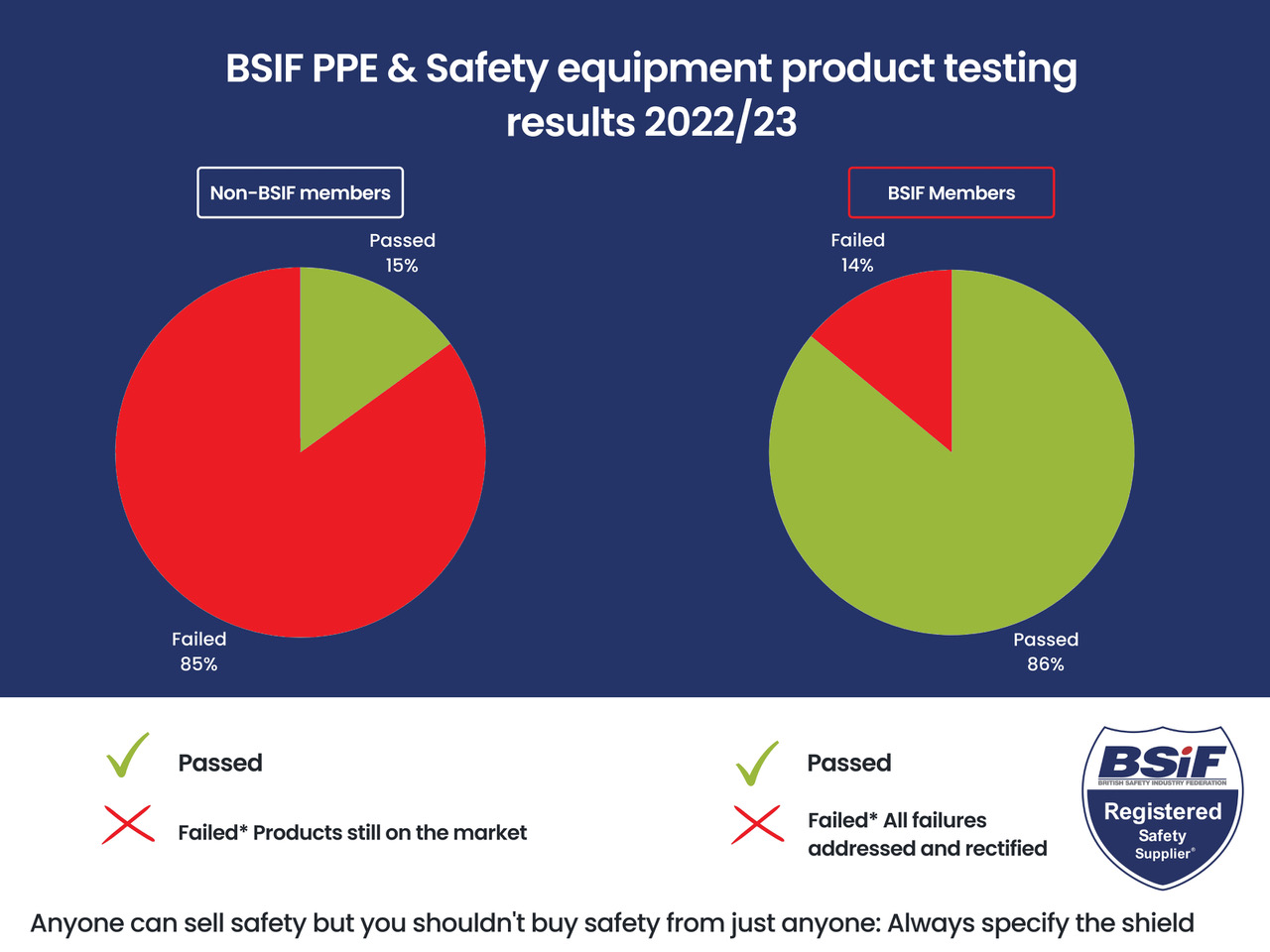
The British Safety Industry Federation (BSIF) is warning those in charge of PPE and safety product procurement to be vigilant about substandard products, as their latest non-member product tests highlight the availability of high levels of non-compliant products.

Between December 2021 and December 2022, the BSIF completed tests on 127 non-member products which included checking their compliance with relevant standards and testing whether they perform as advertised. Only 18 (15%) of these products were fully compliant. This means 108 products (85%) failed to meet the regulatory criteria, many of which are still available and being sold to unsuspecting users.

Just a few examples of substandard products the BSIF came across for sale in 2022 include:

  • An 'indestructible safety trainer' that failed the midsole penetration test. 
  • 'Cut-resistant gloves' that didn't pass the relevant cut test  
  • A 'safety harness & lanyard' provided without any user instructions or documentation

The findings around non-member products are in contrast with the results of tests carried out on products supplied by BSIF Registered Safety Suppliers who are committed to only selling certified PPE and trading honestly and ethically.

Registered Safety Supplier’s products are tested annually as part of the scheme’s audit process and if products fail to meet the test’s strict criteria any issues must be addressed and rectified immediately for members to remain part of the scheme. Of 387 tests completed on Registered Safety Supplier’s products between December 2021 and December 2022, 332 products (86%) passed immediately and of the 55 (14%) that initially didn’t meet the test criteria, all issues have now been resolved.

Buyers and end users can be assured that companies displaying the BSIF shield have signed a binding declaration that the PPE and safety equipment they offer meets the correct standards, fully complies with the regulations and is UKCA and or CE marked. This means that by using a Registered Safety Supplier you can be confident you will receive genuine products that are fit for purpose as well as genuine information and guidance.

BSIF CEO, Alan Murray comments: “Our latest findings are very concerning and reinforce the importance of only using a BSIF Registered Safety Supplier when procuring PPE and safety equipment.

“The reality is that selling PPE and safety equipment comes with complex responsibilities and it can be hard for even the most diligent suppliers to keep up with the rules and regulations. That’s why at the BSIF we maintain that even though anyone can sell safety, you shouldn’t buy safety from just anyone.    

"We urge all buyers and specifiers to review their current processes and consider what assurances they have that the PPE and safety equipment they are being supplied with is fit for purpose.

“Specifying a Registered Safety Supplier is the easiest way to ensure you are only dealing with compliant, competent and trustworthy suppliers."

For a full list of Registered Safety Suppliers, visit: https://www.registeredsafetysupplierscheme.co.uk/

Three trends driving the transformation of safety in 2023


The concept of workplace safety dates backs to the 18th Century during the start of the Industrial Revolution. Safety has come a long way since then, thanks to the introduction of safety standards, personal protective equipment, and, most recently, new technologies. 


Not only has safety dramatically evolved from its early days, decades’ worth of advancements have made it far easier for companies to ensure a healthy and secure work environment. That’s a good thing, of course, since occupational safety is a top priority for organisations that want to achieve operational success and profitability. 


Like all technologies, safety-related technologies are moving fast, too. To get you up to speed, Antonio Pereira from MSA Safety brings you his picks for the most relevant trends and best practices that will help organisations develop a next-level safety program. 


Trend one: Integrated connectivity and cutting-edge wearables 


Taking action when seconds count. That’s one of the most known topics in worker safety. 


Portable gas detectors, for example, are essential for keeping workers safe and alerting them to hazardous and explosive gases. But for organisations wanting to monitor the safety of personnel working remotely, a standalone system that relies on workers feeding information back, will not provide the whole picture. 


To keep people safer no matter where they, or their supervisors, are located, organisations need to be able to connect workers to safety teams in real time. That’s what is behind this first trend: combining a cloud-connected safety solution with smart devices to alert both supervisors and workers to potential dangers as and when they emerge. 


Organisations can leverage technology in the form of connected and trusted wearables to keep their people and places safe. The most advanced wearables feature built-in CAT-M LTE cellular connectivity and deploy right out of the box in seconds. No waiting. No IT required. 


Even better, cutting-edge wearables designed with fully integrated connectivity give off-site safety managers real-time visibility into critical data points to keep on-site workers safe. 


Real-World Application: 

Utilising MSA’s new ALTAIR® io 4™ Connected Gas Detector, in conjunction with MSA’s Grid platform, critical information and actionable insights – including live location data, gas exposures, and man-down alerts – are available in real-time, online, from the grid fleet manager. This enables you to act, fast, as well as alerting other workers in the area. 


The Altair io 4 also utilises MSA’s industry-leading XCell® sensors, meaning workers are alerted to threats twice as fast as the industry average, while the device’s LEDs visibly reinforce a culture of safety at a glance.


Trend two: Connectivity that provides data and analytics – allowing insights for improved safety outcomes 


Data analytics is important to a safety programme because it defines how data is gathered, evaluated and even presented to drive awareness and inspire action. 


It not only helps you ensure compliance, but it also helps you spot behaviours and trends that can directly impact safety outcomes. 


A solution like MSA’s Grid cloud-based services combines and distils data down into digestible chunks, helping safety professionals stay on top of their resources in the field in real-time. In addition, Grid services’ intuitive design makes it easy to visualise and understand critical safety-related insights, putting safety professionals more in control of their gas detection program. 


Real-World Application: 

Managing reporting when an incident takes place, or when an audit is called is stressful and time consuming – traditionally involving a hunt for paper trails located on different sites, or sifting through lengthy Excel spreadsheets, potentially with incorrect or missing information. 


Meanwhile, the MSA Grid streamlines your data management and recordkeeping onto an online platform – with all relevant data, including full device records, available online and readily searchable using smart filters – making reporting easier than ever


And with MSA’s io Dock, working in conjunction with the always connected Altair io 4, testing data is uploaded to the Grid automatically, ensuring your devices are achieving 100% compliance. They’ll even tell you when you need to order more testing materials automatically. 


Trend three: A behavioural-based, data-informed safety culture 


Every world-class safety program is marked by the need to continuously improve and maintain a focus on safety. Frankly, that’s easier said than done. In today’s modern world, that can be especially challenging for safety professionals, particularly when they have multiple distractions and disruptions coming at them all day, every day. 


It was this need to minimise interruptions and improve safety outcomes that fuelled this final trend: building and supporting a proactive, accountability-based, data-informed safety culture. 


Smart, wearable device hardware combined with technologically advanced software can deliver critical data to enhance site safety and support operational efficiency. MSA+ is a comprehensive subscription program that integrates hardware technology with cloud-based software and safety programme management services. It helps to promote collaboration, boost operational efficiency and to improve worker accountability. And it does it all without expensive, upfront costs. 


Real-World Application: 

An MSA+ subscription takes the guesswork out of staying up to date. Not only does the Altair io 4 software and firmware update automatically, you will also receive the latest over-the-air updates when they are released, reducing costly worker down time. 


Furthermore, the collation of meaningful insights and actionable data is supported by MSA’s unique id Tag system. Streamlining the process of assigning a detection device to a worker, the Altair io 4 just requires a “tap” with their unique Tag, when signing out the device – while returning it is as simple as a “click” into the charging dock. 


With this system, all historical data is directly associated with the individual worker – allowing you to see when the device is turned on, or off, and everything in between – ensuring that workers remain accountable and compliant. And with real-time data available online on the Grid, you have continuous situational awareness, allowing you to assess and record workers’ safety behaviours in the field. 


Improving Your Safety Outcomes 


Adopting any one of these trends would be a great start toward improving safety outcomes. Even better would be to embrace all three. Combined, these top technology trends give organisations a clear and better path toward a transformative, next-generation safety program. 


MSA has already done it. We’ve combined all three trends into the MSA Connected Work Platform, driven by the ALTAIR io 4 Connected Gas Detector. This user-friendly solution is helping organisations, of all types all around the world, simplify safety, curb risk, and boost productivity. Contact us to learn how this first-of-its-kind solution can help you create a more adaptable, proactive safety program. 


belzona.com ISO/ASME Compliant Composite Pipe Repair System – "Belzona SuperWrap II"

62CB058C 41FC 465E BDF7 23599F6FD7FC


Abstract

In the past, the repair of deteriorated pipework involved the welding of plates and sleeves, the use of bespoke clamps or the partial replacement of the faulty section. In recent years, however, the use of polymeric composite materials for the repair of pipes has gained worldwide support and interest. The main reasons for this are: the composite repair can be based on engineered structural calculations in accordance with internationally recognised standards; unlike welding, it is a safe cold process that can be carried out in areas where hot work is prohibited; it can be carried out at lower cost and provide long repair life sufficient to be taken as a permanent repair.

This paper describes Belzona SuperWrap II, including details of various tests conducted on the system to comply with both ISO 248171 and ASME PCC-2 (Article 401)2, the two major international standards for composite pipe repair. This paper describes Belzona SuperWrap II, including details of various tests conducted on the system to comply with both ISO 248171 and ASME PCC-2 (Article 401)2, the two major international standards for composite pipe repair.
7453193E 7106 409A BF0E 42D850195DC1


Image 1: In-field application of Belzona SuperWrap II on a corroded pipeline
 
Introduction

Pipelines, especially those of large diameter, can efficiently transport large volumes of liquids and gases over long distances. Operating over long distances through various landscapes, environments and conditions, pipelines can be subject to internal and external effects from numerous factors. Differences in height cause internal pressure fluctuations, while changes in temperature cause the pipe material to expand and contract; from these behaviours, pipelines are subjected to physical loads such as bending, shear, torsion and fatigue. At the same time, the inner walls of the pipes can be exposed to corrosion and chemical attack, depending on the chemicals involved in the media. Similarly, under conditions of inadequate protection, pipes are also subject to external corrosion.

These effects, acting alone or in combination, can cause damage to the pipe wall in the form of metal loss and eventually lead to through-wall defects, leading to leakage problems. Leaks can also have disastrous consequences, meaning shutdowns and environmental impact. For this reason, it is incumbent on facility owners and operators to take proactive precautions to prevent the worst from happening.

Belzona SuperWrap II composite repair

Belzona SuperWrap II is a pipe repair technology based on a polymer-based composite of epoxy resin and reinforcing fibres, using a wet-wrapping technique in which the resin-impregnated reinforcing fibres are wrapped directly around the pipe defectand cured.

Two material properties are key to the development of composite materials for the repair of wall thinning and leakage defects in pipes: mechanical strength and stiffness. Mechanical strength depends on the maximum tensile stress that a material can withstand without failure and is determined from its tensile strength. Stiffness, on the other hand, refers to the elasticdeformation of a material when a force is applied and is defined by the Young's modulus (also known as tensile modulus or modulus of elasticity). In the case of polymeric composites, the mechanical strength and stiffness depend to a large extent on the properties of the reinforcing fibre. The resin is responsible for transferring the load between the reinforcing fibres. The success of a composite repair also depends on the adhesive strength of the resin, as it must be integrated with the pipe substrate.

In the development of the Belzona SuperWrap II, several combinations of resins and reinforcing fibres were considered. In the end, a two-component epoxy resin with 100% solids content, consisting of a phenolic novolac base (main agent) and an amine solidifier, was chosen. The main reason for this was the emphasis on the fact that epoxy resins can achieve better adhesion and mechanical strength compared to other functional polymer groups, including polyurethanes, methacrylates, alkyds, vinyls and polyesters. The possibility of forming highly cross-linked polymer matrices, which are the basis for excellent heat and chemical resistance, should also be supplemented as one of the reasons for concluding that phenolic novolac epoxy resins are the best choice.

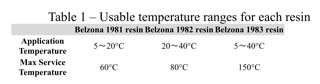
In general, epoxy resins are slow to cure at low temperatures, but when heat is applied, the reaction is activated and the resin cures in a shorter time. Taking into account the temperature conditions at the time of application, which tend to be affected by climatic differences, two types of resin were initially developed (Belzona 1981 and Belzona 1982 resins), followed by Belzona 1983 resin with improved heat resistance (see Table 1).Today, three different types of resin are available, allowing the user to select the most suitable material depending on the temperature conditions.

Table 1 – Usable temperature ranges for each resin
891503DB 0C87 4506 A1F5 D0B5D5F2D3A5


The most suitable reinforcing fibre material was selected on the basis of the material's mechanical strength and stiffness, as well as its workability (cutting, resin impregnation, on-site handling, etc.). After carefully considering all the pros and cons of each material, it was decided to use a hybrid fibre, a combination of carbon fibre and glass fibre, which is produced as Belzona 9381 to be an optimised reinforcement fibre sheet for Belzona SuperWrap II. Belzona 9381 reinforcing sheet has a two-layer construction, with carbon fibre on the front and glass fibre on the back, to maximise the benefits of both fibres and to achieve the most efficient distribution and arrangement in terms of physical properties and workability. This is because the glass fibre and epoxy resin layer are designed to act as an insulator to prevent corrosion currents from flowing through the conductive carbon fibre. The reinforcing fibre sheets are available in severaldifferent widths to accommodate different pipe diameters, with wider sheets being particularly useful for special geometries such as bends, tees, flanges, reducers, as well as the walls and roofs of large storage tanks.

After the resin-impregnated reinforcing fibres have been wrapped around the pipe, a special consolidating film called Belzona 9382 is used to hold the repair in place until the resin has cured. Once the resin has cured, the film can be easily removed.
A453BDE0 1AE1 4E05 A158 83FBC60FE8AD


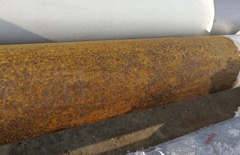
Image 2: Damaged pipeline after suffering from Corrosion Under Insulation (CUI)
4A166ACD 8426 475E BDB5 181D4CF5EF6E


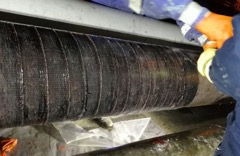
Image 3:After rebuilding the pipe to original profile using Belzona 1111, several wraps of Belzona 9381 were applied
A6D89EE7 353A 4367 8117 C1FA42BEC372


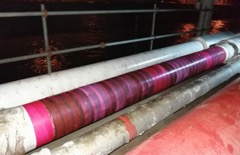
Image 4:The pipe repair before the removal of the release film

Compliance with standards

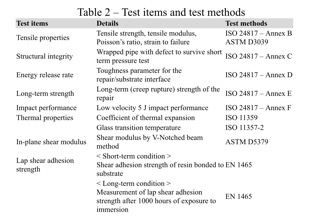
The Composite repair of pipework requires a high degree of reliability, especially in the case of high pressure piping systemsor for pipes carrying hazardous media. For this reason, rigorous third-party and in-house testing is carried out to demonstrate compliance with a series of requirements set out in ISO 24817 and ASME PCC-2. For the tests aimed at assessing the mechanical properties of the materials, plate specimens made of reinforcing fibre and each resin were used. On the other hand, in the pressure resistance test aimed at evaluating durability of the system, a short pipe spool with pseudo-defects of the specified dimensions was repaired with the system, followed by a pressure resistance test for confirmation. A summary of each test is given in Table 2.
93CAF80F EBB8 42F8 BD66 1FD0B3F35178


Test results and verification

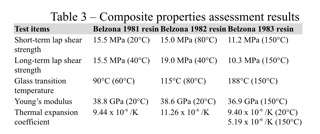
Table 3 shows some results of the physical property tests. In parentheses are the curing temperatures of the specimens.
26E09338 F2CE 439C A98B 4DAD11AE8760


In the tensile shear bond strength test, the bond strength of the resins is measured in two ways as: 1) cured for 7 days at specified temperature conditions (short-term condition), and 2) immersion in water for 1000 hours at specified temperature conditions (long-term condition), both using carbon steel as the adherend. The comparison of the results of the low and high temperature tests is intended to see the effect of temperature changes on the adhesive strength of the resins. All the results comply with the requirements of ISO 24817 in two respects:

(a) The tensile shear bond strength of each resin is >5 MPa for short- and long-term conditions
(b) For each resin, the long-term values are at least 30% of the short-term values

The glass transition temperature (Tg) is the temperature at which a polymer material begins to soften as it is heated. It is a common phenomenon for thermoplastics and its value is often referred to in assessing the thermal properties and thermal resistance of resin-based repair techniques. When the resin is heated while it is curing, the density of the cross-linking increases and the glass transition temperature rises. When Belzona 1981 resin is cured at 60°C, Belzona 1982 resin at 80°C and Belzona 1983 resin at 150°C, the glass transition temperatures are 90°C, 115°C and 188°C respectively (see Table 3).

Piping systems under pressure are subject to the Poisson effect. Due to the circumferential stresses occurring inside the pipe, the diameter of the pipe increases slightly, but at the same time there is a contraction in the axial direction and the pipe becomes shorter. Therefore, a Poisson's ratio close to the value of the pipe is required for the composites to be a suitable material to restore the mechanical strength of the pipelines. The Poisson's ratio of the Belzona SuperWrap II material is close enough to that of steel. This means that when a typical steel pipe is subjected to compressive or tensile loads, the accompanying SuperWrap II repair reacts similarly to the base metal.
99365C0E 8B6D 49B6 9F37 6AD156045690


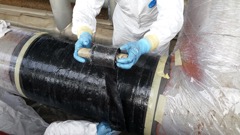
mage 5: Belzona SuperWrap II being applied

Young's modulus (tensile modulus) is a measure of the stiffness of a material, and the SuperWrap II materials have high Young's modulus of 37-39 GPa, meaning that the repair will have good stiffness and bending moment. From a practical point of view, when assessing the performance of a composite pipe repair, it is reported that a standard modulus of elasticity of 6,895 MPa or higher is desirable,3 and the values of SuperWrap II materials arewell above this. On the other hand, considering that the Young's modulus of ordinary steel is about 200 GPa, SuperWrap II materials, which have about one-fifth, are far more elastic than steel, and in this sense, it can be said that SuperWrap II repairhas excellent elasticity and can easily follow the movement of the base metal.

The thermal expansion coefficient of a solid material indicates the extent to which its length and volume change when subjected to a change in temperature under constant pressure conditions. Piping, which is subjected to a variety of operating conditions, generally undergoes repeated expansion and contraction as a result of temperature changes. Therefore, composite materials used to restore the mechanical strength of pipe materials must also be able to cope with thermal strain. The linear expansion coefficient of Belzona SuperWrap II materialscured at ambient temperature are between 9.40 and 11.26 x 10⁻⁶ /K, which is close to that of ordinary steel (11-12.5 x 10⁻⁶ /K).4This means that the stress effect (thermal strain) on the adhered surface caused by the difference in thermal expansion between the composite materials and the base metal is minimal.

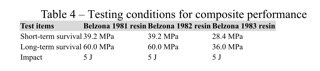
Table 4 shows the conditions for durability testing of the SuperWrap II composite materials.
2B42AC61 8FE8 4A9D 86FC 9BD047F70638


The short-term pressure test evaluates the performance of Belzona SuperWrap II against wall thinning defects (no penetration). The objective is to determine the maximum level of wall thinning that can be repaired. The test is carried out on a short carbon steel spool with a pseudo-defect (wall loss) of a specified size. The repair is designed to restore the yield strength of the original pipe wall. The test pressure was calculated as the yield pressure of the test spool in its original sound condition(test pressures indicated in Table 4). The difference in test pressure between the Belzona 1981/1982 resins and Belzona 1983 resin is due to the different test spools used. All the resins passed the test and the results demonstrate that the repair conforms to the design specification and is able to restore the durability of the pipe material.

The long-term pressure test also evaluates the performance of Belzona SuperWrap II against thin-wall defects. Here, the durability of the repair is assessed after 1,000 hours of sustained loading by maintaining the pipe internal pressure at a constant level (test pressures indicated in Table 4). As a result, no cracks, delamination or any other degradation was observed and the test was therefore deemed a pass.

The impact endurance test examines the effect on the repair of a low velocity 5 J impact, simulating a tool drop such as a spanner being dropped on the repair. The objective of this test is to determine the minimum thickness of the repair layer whereexternal impact is concerned. In accordance with ISO 24817 Annex F, an impact of 5 J was applied to the pipe repair by dropping a weight from a height of 1 m, followed by a pressure test. The results showed that there was no difference between the measured and calculated energy release rates, and it was concluded that this level of impact did not affect the integrity of the SuperWrap II repair system.
5F685279 AD02 46EC BAE3 5F12009526EF


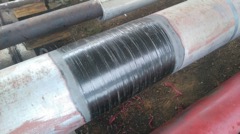
Image 6: A Belzona SuperWrap II application before being overcoated with Belzona 5811 (ImmersionGrade) for extra protection

Requirements for Belzona SuperWrap II application

The repair design of Belzona SuperWrap II is determined by strength calculations based on actual defective conditions of pipes in accordance with the ISO/ASME standards, which also take into account factors such as surface preparation method, pipe geometry, environmental conditions, operational/design pressures, etc. The repair is then carried out following the design, but there are certain conditions that must be adhered to during the application.

Firstly, to ensure the quality of the work, all Belzona SuperWrapII installers are required to attend and pass a validated training course. The course includes a practical test (as well as a theory exam), in which participants are asked to repair a pipe spool with a simulated defect, which must then pass a certain pressuretest.

As a strict rule, a compliant repair must always be conducted by trained installers. The ISO/ASME standards defines repair classes from class 1 to class 3. Class 1 is for low specification duties with least critical conditions such as pressure of <2 MPa and temperature of <40°C and since this is for systems that do not relate directly to personnel safety the repair jobs can be handled by installers alone. Class 2 and 3 however involve more critical scenarios, for example higher pressure and temperature conditions as well as systems transporting hazardous fluids; in those cases therefore the work must be supervised by a certified supervisor who has completed a higher level of training.Periodic annual renewal of qualifications is also compulsory for the installers and supervisors to ensure that they maintain and improve their skills after certification.

All the inspection results, including environmental measurements, surface roughness achieved by surface preparation conducted, batch numbers of products used, and resulting repair thickness, are recorded in QA/QC documents of each project. And this will be collected on all projects, including information on who was the installer/supervisor involved. 

After use in service, Belzona SuperWrap II repairs can be revalidated or decommissioned upon reaching its design lifetime, depending on the decision made by the asset owner.

Belzona SuperWrap II repair solution is available worldwide through the network of Belzona International Distributors, and the applications can be carried out by trained and validatedpersonnel from third parties as long as they fulfil the prerequisites. By allowing the asset owner to choose who would carry out the design and also who would apply the wraps on-site (as long as those parties are qualified as per the standard), the operator has the flexibility to appoint the contractors best suited,depending on the specific requirements of a project.

Conclusions

➢ Belzona SuperWrap II is a pipe repair technology based on a composite material consisting of a two-component epoxy resin and a hybrid reinforcing fibre (carbon fibre/glass fibre).
➢ Prequalification tests in accordance with both ISO and ASME standards have shown that Belzona SuperWrap II materials have a high level of mechanical properties and are suitable for the compliant pipe repair.
➢ The composite repair is designed on the basis of engineering strength calculations and is capable of restoring the integrity of damaged pipe materials.
➢ A system of accreditation and registration of installers/supervisors ensures uniform quality of workmanship and high reliability.
➢ Belzona SuperWrap II repair, which complies with the ISO/ASME standards, is a reliable long-term repair solution that contributes to the maintenance management of pipework.

References

1 ISO 24817:2017, ‘Petroleum, Petrochemical and Natural Gas Industries – Composite Repairs for Pipework – Qualification and Design, Installation, testing and Inspection’
2 ASME PCC-2:2018, ‘Repair of Pressure Equipment and Piping’
3 ALEXANDER, Chris, FRANCINI, Bob, ‘State of the Art Assessment of Composite Systems Used to Repair Transmission Pipelines’, Proceeding of IPC 2006
4 www.engineeringtoolbox.com

Bibliography

OHARRIZ, Osmay, ‘Pipelines: The Composite Solutions’, World Pipeline 2016

Yusuke Nishi is a Senior Technical Services Engineer for Belzona Asia Pacific based in Thailand.

Yusuke has been with the company since 2011. He is an experienced professional within the plant maintenance industry specialising in composite repair and protective coatings. He possesses in-depth technical knowledge in various areas of polymeric solutions with a focus on corrosion management and problem solving, gained from over 10 years of experience at Belzona.


 

Cyprus based inspection, testing and certification specialist is latest company to join EEMUA Associate Scheme

Nortest Cyprus Ltd, an inspection, testing and certification body, has become the newest EEMUA Associate. Based in Cyprus, the company provides a wide range of services globally to clients operating in industries such as power generation and energy, oil and gas, civil engineering and marine. Nortest is also a Notified Body (CE 2338) for pressure equipment, and lifts and machinery, and holds numerous accreditations in the field of inspection and certification, such as ISO 17020, ISO 17025 and ISO 17065.

5BB2255D FE4B 452B BDD4 B971F578D168
One of EEMUA’s main activities is helping its Members – the users of engineering equipment and materials – in the inspection and integrity management of their fixed industrial assets, to keep them operating safely, efficiently and in compliance. EEMUA Head of Membership Deovonne Ferreira commented: “The sharing of good practice provided by involvement in EEMUA will help support Nortest, and so its clients, in the continued safe operation of these assets”.

Further details on the benefits of joining EEMUA as an Associate Company or a Corporate Member can be found here.


B2F13784 EBEA 4B98 877D 26D56BA7D399


T Cards Direct are celebrating their 60th birthday in 2023. 

To celebrate their anniversary, the latest release for T Cards Onlinewasshowcased at the Southern ManufacturingThis release included some exciting new features that T Cards have been working on for the last year.

Simple to customizeto your applicationitcan seriouslyhelp improve the efficiency of your operation.Benefits are seen immediately as you can start using thesoftwareas soon as you have registered for theNO-Obligation 21-day trial.This includes our UK based support team providing personal assistance to get you up and running with the minimum of fuss.

T Cards Online is designed to be used like the tried and tested manual systemClients often need a clear and precise status ofwork, and this does exactly that but with all the benefitsand analysis tools available digitally.

Having a Go to Board at your fingertipscan help staff get on with the day-to-daybusiness and assist with customer service. Our clients have seen these benefits anlotsmore.

Over the past 10 years the development of T Cards Online has been driven by our clients. Suggestions and improvements have been woven into the basic premise of keeping it simple.Being at the Southern Manufacturing Show has given us a platform to discuss these improvements with clients and potential customers alike.

Phil Heine, Founder of T cards Online said We have been regular exhibitorfor the past 15 yearsinitiallypromotingwith the manualsystems and now demonstrating thepower of theOnlinSystemWe have always found it a busy and productive show with a broadrange ofcompaniesinterestedin Cards Online.This year was no different and has been a great opportunityfor clients to explore the benefitsof the system even more.

The new releaseis an exciting development for planning anthe control of workflowIt includes anew What IF engine that cangenerate automated workflows.

Think of it as anIf This Then That.Action thenconsequenceFor example, if a card or job is moved to a pre-defined position aconsequence or alertis automatically triggered.That consequence could be a clear visual change in colour or an email alert or just a flashing card on the screen. You decide. 

One application alreadybeing used is to highlightdelayswhen a due date is passed. Showing automatically on the screen rather than waitingfor a report or trawling through pages of data.

Come and see how T Cards arethe proven management tool to help keep track, allocate and improve efficiency.

IS540.1 available now:

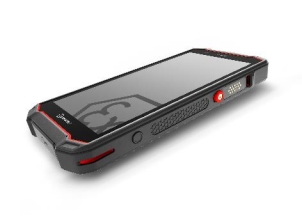
 World's first 5G smartphone for hazardous areas offers far-reaching innovation and value creation potential for industrial users

IS540

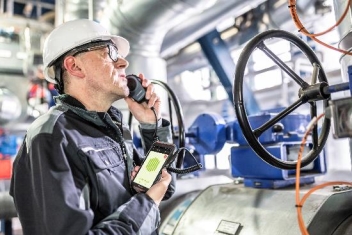
Lauda-Koenigshofen, 31 January 2023. i.safe MOBILE, innovation and global market leader for explosion-proof mobile devices and solutions announces the immediate availability of the world's first 5G smartphone for ATEX and IECEx zone 1/21. The intrinsically safe mobile device, which was also developed for use in 5G campus networks, offers companies great flexibility potential thanks to its wide range of possible applications, especially in the automation sector. The extensive deployment scenarios range from predictive maintenance, AR applications, control and cooperation of production robots and production lines, management of AGVs (Automated Guided Vehicles, autonomous transport robots), remote monitoring and support to PTT video calls in the system area to prevent plant failures. The high-performance Qualcomm® QCM6490 chipset, a large 6-inch display, 48 MP main camera, and standards such as Wi-Fi 6, Bluetooth 5.2 and NFC complete the Android 12 smartphone's extensive feature package. 

Image

5G as a convergent key technology to the enterprise of the future

Thanks to the ongoing development towards 5G technology and the use of compatible mobile devices such as the IS540.1, companies can digitalise their production facilities and processes even further and fully utilise applications such as remote maintenance, IIOT and augmented reality now also in the sensitive Ex zones. The 5G concept offers particular advantages where machines communicate with each other, large amounts of data are exchanged almost in real time and latencies must be minimal. This makes 5G a key technology for new automation applications. Fields of application for the new IS540.1 industrial smartphone from i.safe MOBILE are scenarios in hazardous areas involving autonomous driving on campus grounds, platooning (automated column transports e.g. on large company premises with 5G campus network), control and monitoring of mobile robots, near real-time monitoring in process automation, workflow in the control loop and in plant management, logistics management, asset tracking and site access tracking, 

When developing the IS540.1 smartphone, the i.safe MOBILE R&D team paid special attention to performance, safety, clarity and usability.  Thanks to the high-performance Qualcomm® QCM6490 chipset, the smartphone has powerful AI and computing functions, while the 48 MP main camera offers highest image quality. Dual Band Wi-Fi 6 (with 2.4 and 5 GHz support) connectivity enables additional efficiency gains, faster data transmission at higher data rates in industrial communications. 

Peripheral devices such as a wired RSM (IS-HS2.1) for secure PTT/PoC communication, a high-performance barcode scanner (IS-TH2xx.1) or a thermal camera (IS-TC1A.1) can be connected via the 16-pin ISM interface. 

Technical highlights of IS540.1

  • Qualcomm QCM6490 8-core processor 
  • 6-inch Full HD display (1080 x 2160 pixels) with Gorilla Glass® V3   
  • 48 MP camera / 5 MP front camera 
  • Android 12 
  • Amplified speakers (103 dB)
  • Extensive frequency bands
  • 4400 mAh battery (replaceable)
  • 16-pin ISM interface (e.g. for PoC/PTT)
  • Programmable side button (e.g. for PoC/PTT)
  • Programmable red button (e.g. for lone worker protection/SOS)

Detailed technical information on the product and the data sheet can be found here.


Further information on i.safe MOBILE can be found here: 

www.isafe-mobile.com

i.safe MOBILE on LinkedIn

i.safe MOBILE on YouTube