Find ATEX, IECEx, Explosion Protection & Hazardous Area Content...

News

Hart completes major shutter project

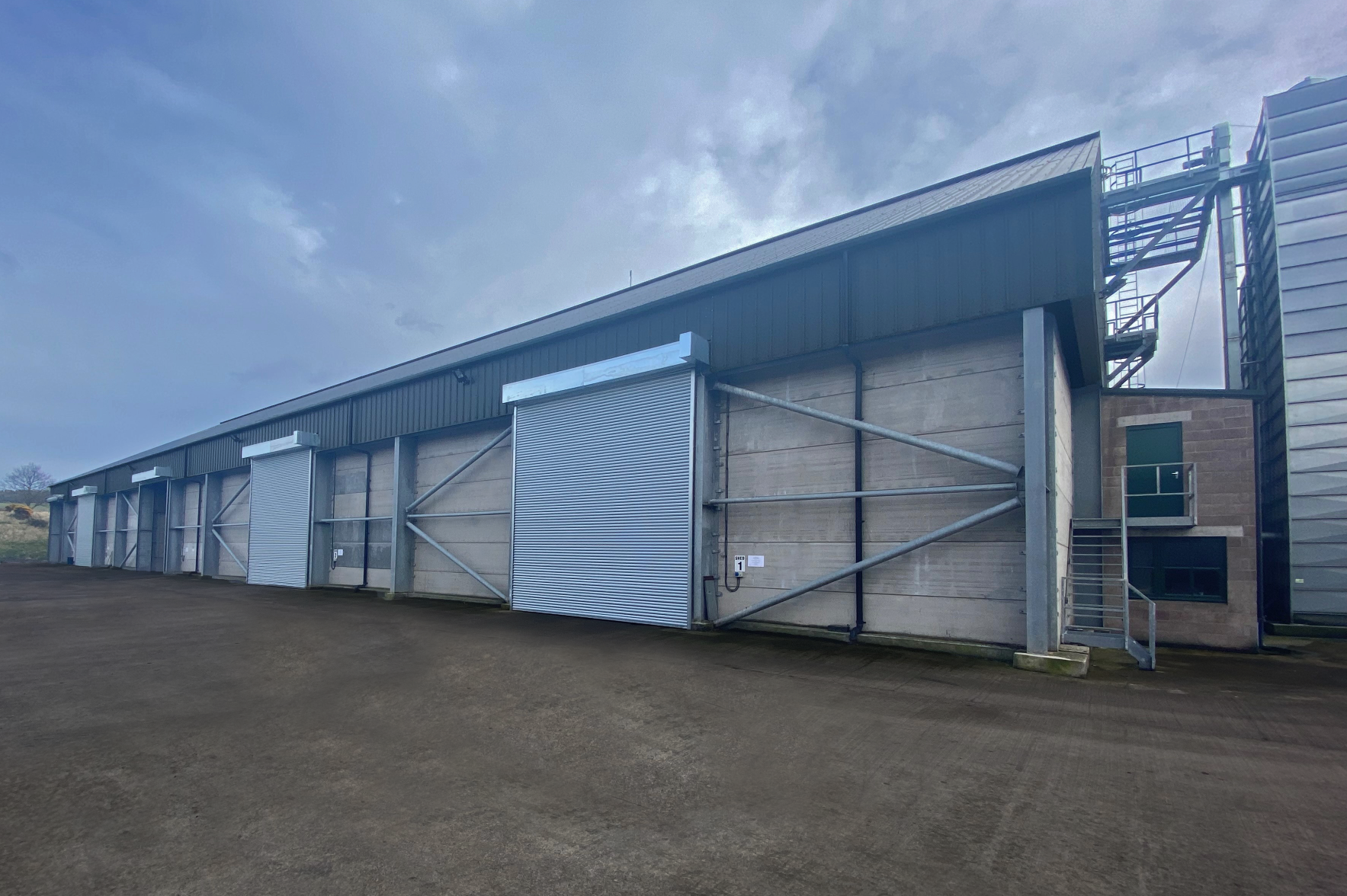
Hart Door Systems has completed the installation of five steel shutters on a major Northumberland grain silo which had suffered significant damage on its existing shutters caused by storm Arwen.

“This storm is well documented with widespread and serious damage being reported across northern England where windspeeds reached over 100 mph,” says Carl Crossman, Hart’s project manager. “The location, Hetton Sheds farm, is wedged between Northumberland’s Kyloe Hills and the Cheviot foothills. The silo took the storm’s full force with six steel shutters, one in a machine store and five in a grain store, being damaged beyond repair.”

Mr Crossman says the original shutters stood ‘no chance’ of standing up to the serious storm. “We advised the client that the original 20g 65mm original shutters, where the wind-lock guides blew out causing irreversible damage, should be replaced with a heavier steel shutter comprising 18g laths and 100mm wind-lock guides,” says Mr Crossman.

“Five shutters measuring 5.7 metres wide x 5.9 metres high and one of 6 metres wide x 5.07 metres high have been fitted to the very large silo. This was our first installation as a result of the Arwen storm more of which are forecast to be a regular feature as a result of Climate Change. We were able to draw on our experience with our Typhoon shutter which is installed in Far Eastern locations such as Hong Kong which is used to violent storms.”

www.hartdoors.com    t: 0191 214 0404    This email address is being protected from spambots. You need JavaScript enabled to view it.

Senior hires set Amazon Filters on course for growth in the Americas and APAC

A UK industrial filter maker has appointed two strategic hires, in Malaysia and the United States, to help spearhead its drive into global markets.

Both Nizam Mohamed and Silas Kirst join Amazon Filters as Business Development Managers tasked with pursuing and delivering the company’s growth ambitions.    

Nizam is based in Kuala Lumpur and is responsible for sales and market development in the Asia-Pacific (APAC) region while Silas will support plans for North, Central and South America from an office in Houston, Texas. 

Both new recruits come to Amazon Filters with impressive track records in senior-level sales roles.

Nizam, whose career experience includes leading teams in sectors such as oil and gas, steel manufacturing, automotive and marine, said: “Amazon Filters is widely recognised as a leading filter manufacturer that invests substantially in its products and services on behalf of customers.

“I’m thrilled to have the opportunity to play my part in its continued growth into new markets.”   

Silas has more than 13 years’ experience in sales management directly focused on filtration technologies in different industries.

He said: “I will be applying my experience to cultivate lasting relationships with our customers, distributors and partners across the entire region from Argentina, Brazil and Chile in the south all the way up to the United States and Canada.”

Amazon Filters Managing Director Neil Pizzey said: “Diversification is key to us, both by sector and geography.

“On sector, we service an ever-growing list of global industries that rely on processing engineering.

“They include municipal water, the oil, gas and renewable energy sectors, food and beverage, and the manufacturing of biopharmaceuticals, chemicals and liquid coatings.

“And on geography, we continue to do more business in sales territories beyond our traditional heartlands of the UK and Europe.

“As well as welcoming Nizam and Silas, we have recently appointed new area distributors in Latin America and Asia.

“Strengthening our presence in new markets makes a lot of sense.

“Customers appreciate someone ‘on the ground’ they can actually meet and who has local knowledge, and it means we can respond more quickly to customer demand.”

. For more information, visit www.amazonfilters.com or call 01276 670600.  

Using data, improving profits: how AI can maximise returns from oil and gas assets

In a volatile trading environment, how do you make money from your oil and gas assets? Firstly, the assets need to be available but, even more importantly, they must be available at the right time. If both of these things happen, owners of these assets have a much better chance of maximising their returns.

The current climate is most certainly volatile. Coming hard on the heels of the global COVID-19 pandemic, the Russia-Ukraine conflict led to a huge jump in oil prices, which recently peaked at more than $120 a barrel – the highest for a decade. 

Meanwhile, wholesale gas prices soared to record levels. In the British gas market, the contract for immediate delivery rose to almost 200 pence per therm in April, while the contract for weekend delivery topped 180 pence per therm.

To a large extent, the high prices have been driven by concerns about security of energy supplies caused by the Ukraine crisis. Europe relies on Russia for around two fifths of its gas imports so there are fears that supplies will be hugely disrupted, either if Russia cuts off supplies to Europe or European countries choose not to purchase Russian gas.

Due to the interconnected nature of global energy markets, Russia is hugely important to anyone who owns oil or gas assets around the world. After all, Russia is the world’s second largest oil exporter and second biggest producer of natural gas.

So, what can oil and gas plant owners do to ride the wave of volatility and maximise the value of their assets?

As stated above, they must be able to generate at the right time to make money from their assets. For this to happen, the asset must be working efficiently at the right time, and any potential defects must be identified early to give the best chance of being available when the market is booming. Any assets that are hit with foreseen problems in the current market are missing out.

Technology can give a great advantage in achieving this. Artificial intelligence (AI), for example, can unravel several difficulties inherent in running oil and gas plants. This, in turn, can reduce the time needed to take action to rectify the problems.

Imperfection detection and enhancing quality assurance

One of the difficulties in the oil and gas industry is how to distinguish defects or imperfections in components that have a tendency to malfunction. These imperfections can be time-consuming to identify and costly to repair. A malfunctioning item identified early enables the operator to plan when to maintain making an intervention more efficient and making the most of availability when the market is good. AI-controlled defect detection arrangements are practical and are amazingly efficient in comparison to standard, human-driven quality assurance cycles.

Make better decisions with analytics

Oil and gas organisations manage lots of information derived from the operational performance of dozens of pieces of equipment. However, due to an absence of appropriate technology, they’re often not able to profit from the tonnes of data that rest in information storehouses.

Organisations can use specialist researchers to break down and analyse data on equipment performance – yet this is a time-consuming and costly exercise and no human can capture all of the information created in a solitary day of activities.

AI algorithms study many data streams from various sensors and plant machinery, and can capture the performance of an entire network of equipment, all in real time. The technology can then convert this information to generate intelligent suggestions/ calls to action based on specific business needs. These deep insights enable geoscientists to have better visibility of the overall processes and operations of the plant or network of plants.

In summary

Using AI to investigate the performance of oil and gas assets can pinpoint equipment defects and provide information to fit equipment availability to the market. This can help these assets to perform far more efficiently and gives them a much greater chance of being available at the right time, helping owners of these assets to maximise their profits.

For more information, visit https://www.encora.energy/

By Andrew Normand, UptimeAI partnership lead for Encora Energy

Ex Certification and the problem with parts shortages

When we certify products ATEX, UKCA or IECEx we test a product to the relevant Standards, and we control the future manufacturing compliance by listing the ‘controlled drawings’ or ‘scheduled drawings’ on the certificate.

Whilst these ‘scheduled’ drawings are only designed to control the safety related aspects of manufacturing, many critical parts may have been individual tested and listed on the drawings by type and part number. This is very often the case with Intrinsic Safety where a specific integrated circuit may have been tested, for example for transient let thorough or temperature.

Given that these parts may become unavailable (which seems to be happening a lot currently), it is highly advised that when seeking certification, a manufacturer lists of ‘alternative’ items in the Bill of Materials. It is both faster and less expensive to consider this at the time of certification and we would always recommend it for certain types of critical parts, for example: batteries, cements, gaskets, and critical intrinsic safety components.

If you have a part on your certication drawings listed by manufacturer/part number and that part is no longer available (or has very long lead times) you will need to get a ‘variation’ to your certication (as the drawings will change to show a new part). This variation may involve retesting parts, for example retesting a gasket or cement may involve thermal conditioning and that can take a month of testing, so don’t leave it until the last minute! Contact ExVeritas via the contact form on our web site if you need any more information on this or require a Certificate Variation to allow more flexible manufacturing (we can take over existing certificates and add new parts at the same time).

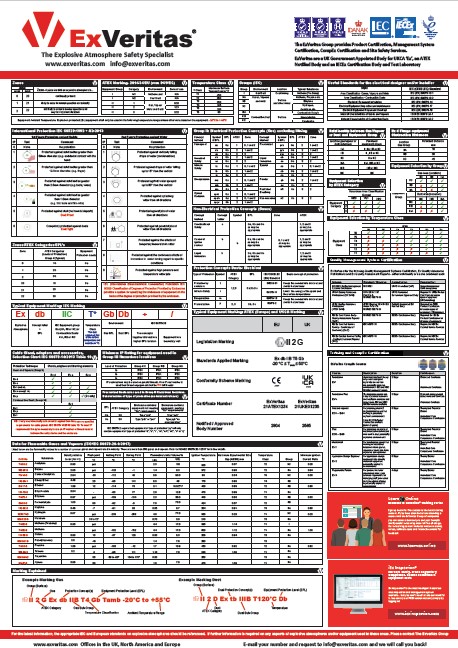
If you are on our web site, why not order out new A1 wall poster full of the very latest IEC, ATEX and UKCA information!

A Major Technological Shift in Flameproof Glanding.

Picture1.jpg

 For nearly 50 years CCG’s Ex certified cable glands have been recognized globally by electrical engineers for the Built-in SafetyTM features of the Captive Component Gland® design.

Having major safety advantages over other makes of glands which have loose components, CCG’ Ex certified glands have their critical seals, single orientation armour clamping cones and cone rings (for SWA and braid cables) held captive within the gland. This Built-in SafetyTM design means that these components do not need to be individually assembled when the gland is installed and therefore cannot get lost or wrongly fitted. This equates to an extremely easy safe and speedy installation process.  

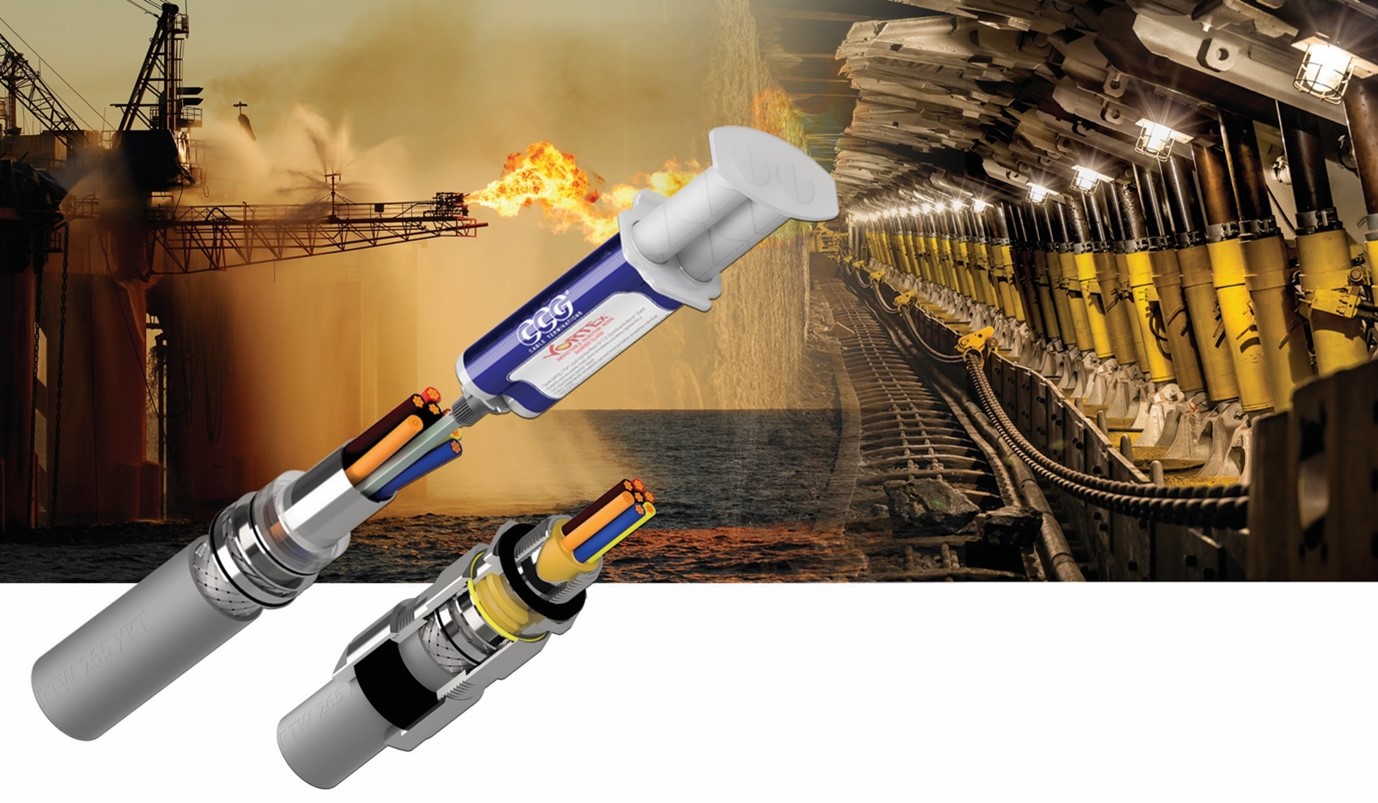
Building on this already solid international reputation for innovation, in 2013 CCG revolutionized the international cable gland market with the introduction of the award-winning QUICKSTOP-Ex® Injection Resin flameproof barrier gland.

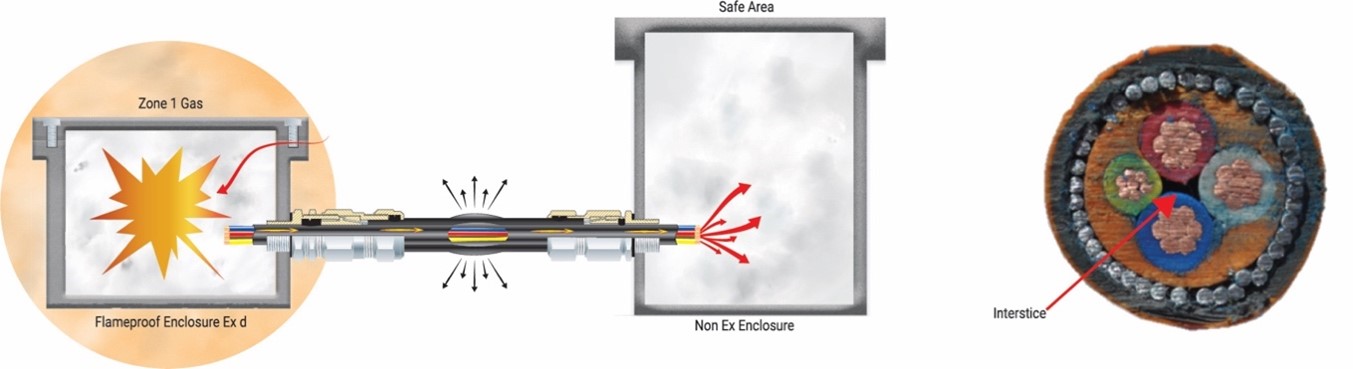
Recognizing that explosive gasses or liquids can migrate down the interstices of cables in hazardous areas thus bypassing traditional cable gland inner seals, the IEC 60079-14 installation standards require that barrier glands be fitted on Ex d (flameproof), Ex nR (restricted breathing) and Exp (pressurized) equipment, and on cables which run from hazardous areas to non-hazardous areas. 

A barrier gland is designed to fill all the interstices and gaps and seal around the individual cable conductors within the cable inner bedding, thus giving a 100% barrier seal against explosive gasses and liquid migration down the cable. Traditional inner rubber compression/tapered seals can never achieve this level of sealing.

   The IEC 60079-1 standard requires that Ex d glands with rubber type compression / tapered displacement seals withstand a pressure of 30-bar, this test is to simulate an internal explosive pressure generated within a flameproof enclosure. However, these tests are performed on solid steel mandrels and do not take into consideration the real-life properties of cables experienced in the field which are that they have bedding susceptible to creep or cold flow, and are never completely filled, solid or gas-tight. This means that although traditional glands with compression / tapered seals will easily pass the 30-bar pressure test on a steel mandrel they will perform very differently when installed on the multitude of different types of cables found installed in modern hazardous areas plants. Unfilled or multicore cables become mini pipes whereby explosive pressures generated in flameproof enclosures force hot gasses down cables bypassing the traditional gland seals and flame paths. This not only causes damage to the cable but also creates the potential for an external explosion. With onsite temperature fluctuations, explosive gasses or liquids can also migrate down cables from a zoned area into non-zoned areas such as a control room or non-certified equipment. (The infamous SeaGas explosion incident in Australia is a good example of this type of gas migration.)

 
  Picture3.jpg


CAPTION: EXPLOSIVE GAS TRANSMISSION THROUGH UNFILLED CABLE, BYPASSING TRADITIONAL FLAMEPROOF SEALS

Although traditional two-part putty mixed barrier glands have been on the market for many years, these barrier glands took a long time to install as the putty had to be hand-mixed and installed and took a few hours to set. They also had a wide margin of error as it relied on the skill and subjective opinion of the installer to install the gland correctly. With the increased awareness of the updated IEC 60079-14 requirements and the increased mandatory requirement for barrier glands over the traditional “rubber taper/compression seal” type glands, CCG designed a faster easier and safer means of installing barrier glands. The QUICKSTOP-Ex® Injection Resin Barrier Gland uses a two-part quick setting resin which is instantly and accurately mixed and injected into the gland seal pot by means of a double injection tube and a vortex mixing nozzle. Being a liquid, the resin flows around the cable conductors filling all the voids and then bonds in just minutes with a 100 % gas blocking seal quickly achieved.

After a request from one of CCG’s major international oil and gas customers for an inspectable version of the QUICKSTOP-Ex® gland, the 2nd generation VORTEx® Inspectable Injection Resin Barrier Gland® range was launched at the Offshore Europe Expo in 2019. The resin colour was changed to a bright yellow and a clear resin chamber was introduced so that the installer could easily inspect the resin fill.

Despite the Covid-19 economic downturn, CCG has seen tremendous uptake in the VORTEx® range of glands having supplied two major expansions in the Shell and SANTOS coal seam gas fields in Australia, the Sriracha Thai Oil refinery project and the Saudi Aramco Zuluf, Abu Safah, Berri and Safaniya Oil Field development projects.

As international safety standards and specifications change and engineers become more aware of EEHA safety-related issues, Ex d I/II certified VORTEx Injection Resin Barrier Gland® technology is not just a simple game-changer, it is the major technological shift in cable gland design and safety, making flameproof glands with old-style compression / tapered seal technology all but redundant.

 
  Picture4.jpg


Enquiries:

  • Tel: + 44(0)1642 430346
  • Email: This email address is being protected from spambots. You need JavaScript enabled to view it. / This email address is being protected from spambots. You need JavaScript enabled to view it.

New BoSS scissor lift takes low level access to next level

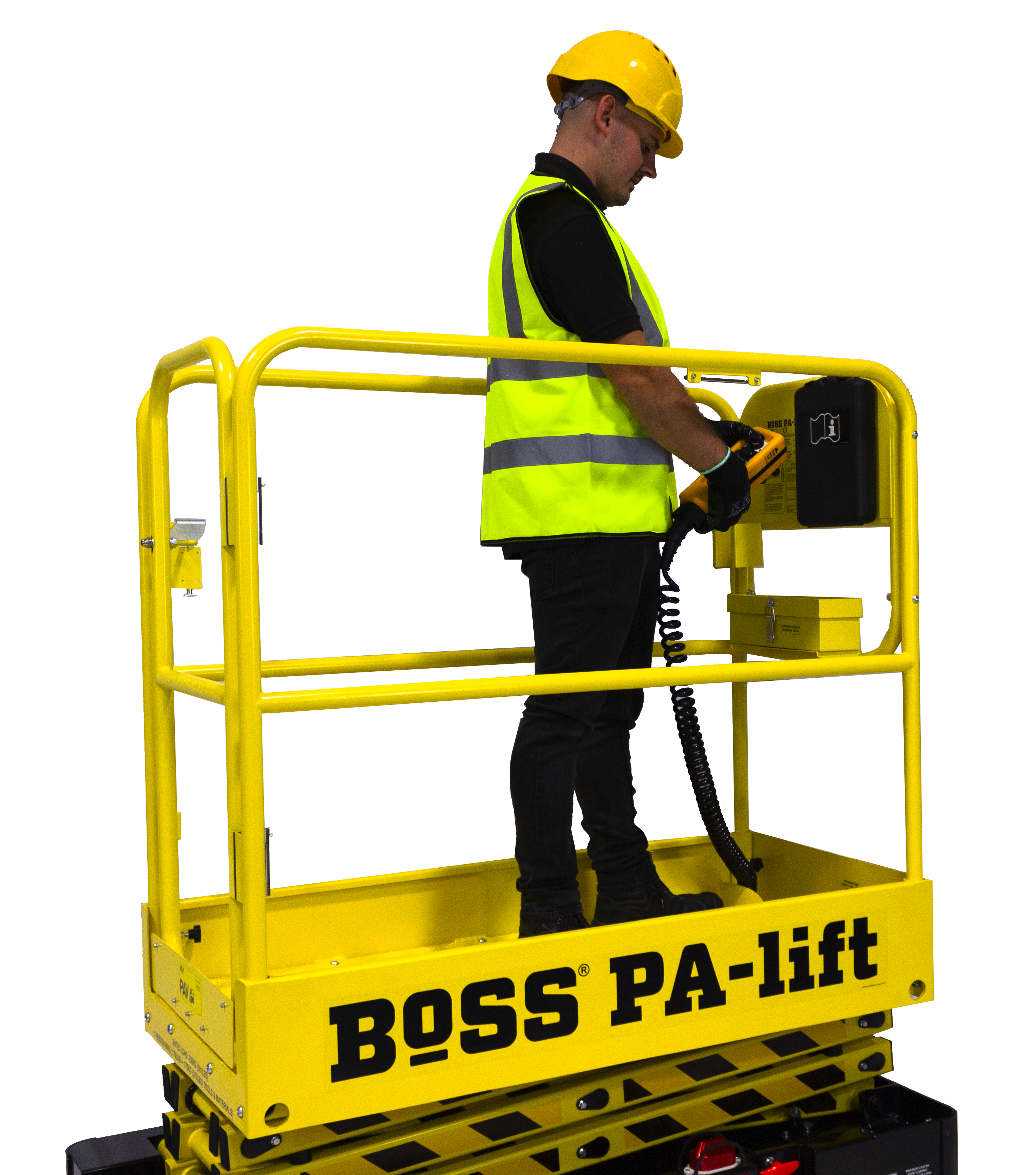
A new push-around scissor lift from BoSS aims to take factory maintenance to a new level of safety and productivity.

The BoSS PA-lift, available from Access Platform Sales (APS), has industry-leading working height of 5.4m with smart technology previously only offered with larger access platforms.

It is also outdoor rated, with a reduced maximum working height of 4.6m (for wind speeds up to 12.5m/sec), even with optional anti-climb guards fitted.

The scissor lift, manufactured by Wernerco, has been designed as a replacement of the already popular BoSS X3 and BoSS X3X models, and represents a major upgrade in key performance areas.

Chris Banks, Technical Director at APS, the exclusive distributor of BoSS products in the UK and Ireland, said: “The BoSS PA-lift represents a significant step forward in push-around platform design.

Pressure on for safe cleaning

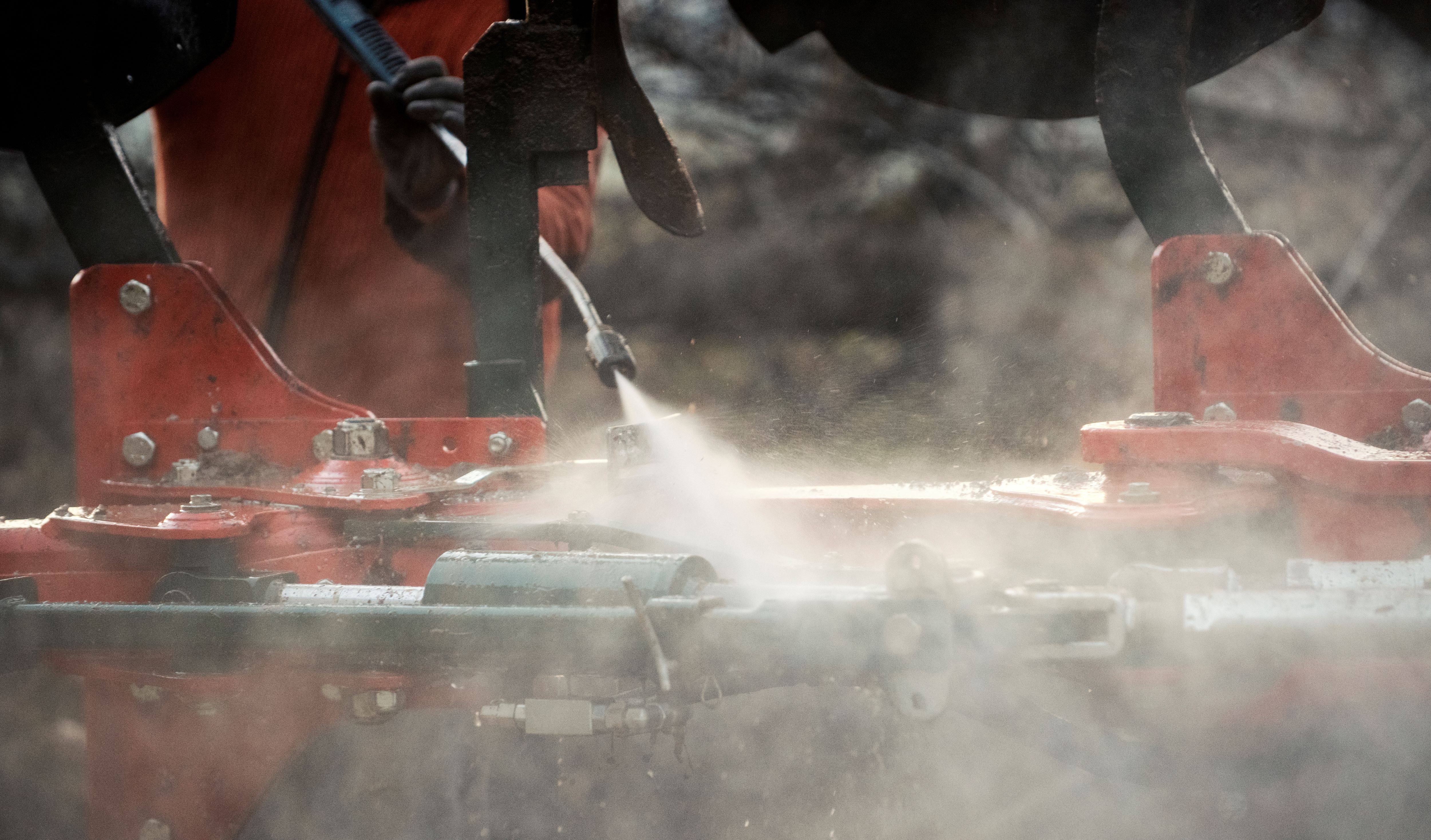
The Water Jetting Association is introducing a new purple code of practice for pressure washing to counter ignorance about the risks associated with the powerful cleaning technique.

The code lays out the steps needed to optimise the safe use of pressure washing equipment. It also explains why these steps are important and what needs to be done if something does go wrong.

The Water Jetting Association (WJA), the UK’s trade body for the water jetting industry, says awareness of water jetting risks has not remained in step with the development of pressure washing technology and its increasing use.

WJA Training and Safety Committee Chairman Darren Hamilton said: “Over recent years, companies and individuals have been able to buy evermore powerful pressure washing systems.

BACTON GAS TERMINAL SECURES COUPLING RELIABILITY WITH BIBBY TURBOFLEX

The Bacton Gas Terminal supplies up to a third of the UK's total gas demand, whilst also exporting gas to Europe 1. Now more than ever, the reliability of the nation's energy supply is paramount, making the Bacton complex one of the UK's most crucial energy infrastructure assets. To support continued reliability at one of the six gas terminals making up the complex, Bibby Turboflex recently refurbished a critical gas compressor coupling which had been operational for two decades.

Located on the Norfolk coast, the Bacton Gas Terminal can process up to 58 million cubic metres of gas per day 2, most of which is extracted from North Sea oilfields, delivering it via pipeline to homes and businesses across the UK. The UK Government estimates gas constituted 41.9% of all inland energy consumption in 2020,3therefore ensuring reliability at sites like Bacton Gas Terminal is essential for supporting the UK's energy needs. Generally, it is recommended that plant operators hold critical spares, such as power transmission products, to maximise operational efficiency and minimise breakdowns and downtime.

Installed between a gas turbine and a high-speed compressor, the Bibby Turboflex high performance 305S Torquemeter disc coupling operated at peak performance for more than 20 years. With a torque rating up to 100 kNm and a max speed of 7700 RPM, this unique coupling features an integrated torque meter that measures asset efficiency ensuring maximum gas output. Due to its length in service, plant operators decided to install the site's spare coupling and return the original operational coupling back to Bibby for a health check and any necessary refurbishments.

A leading brand of Altra Industrial Motion Corp., Bibby Turboflex is a market leader in the design and manufacture of high performance engineered couplings specifically designed for turbomachinery applications.

The coupling was returned to Altra's Bedford facility. Within two weeks, the coupling was disassembled and removed from the bearing casing. All components were cleaned, de-greased and checked, with major components then shot blasted. Utilising a coordinate measuring machine (CMM), the critical dimensions of all parts were checked against the original coupling drawings. A thorough magnetic particle inspection (MPI) was performed and a written detailed inspection report, including photos of any defects, sent to the customer.

Subsequently, Bibby replaced all flexible elements and hardware. The coupling was then re-phosphated, re-assembled and dynamically balanced back to original specification prior to shipping back. The complete overhaul returned the coupling to its original production condition. The coupling was delivered back to the customer with a full 1-year warranty.

The local engineering capabilities offered by Bibby meant that the coupling could be returned to an optimal condition quickly. The plant maintained operation efficiency by holding a critical spare coupling in stock, therefore allowing the operational coupling to be sent back for repair. Furthermore, refurbishment provided increased value compared to supplying an all-new custom coupling. In addition to the significant cost reduction and time saving repair offers over purchasing new, repairing the coupling had a much lower carbon impact on the environment.

With securing energy supply an ever more pressing issue, operators choosing reliable power transmission components backed by responsive OEM maintenance support can help maximise operational efficiency by minimising downtime and failures. As a result, homes and businesses can be sure of reliable power and heating all year round. The next time you turn on the lights, heating or water think about the quality rotating equipment which supports those everyday utilities.

 www.altramotion.com

Snap-on Tethered Tools Protect Lives When Working at Height

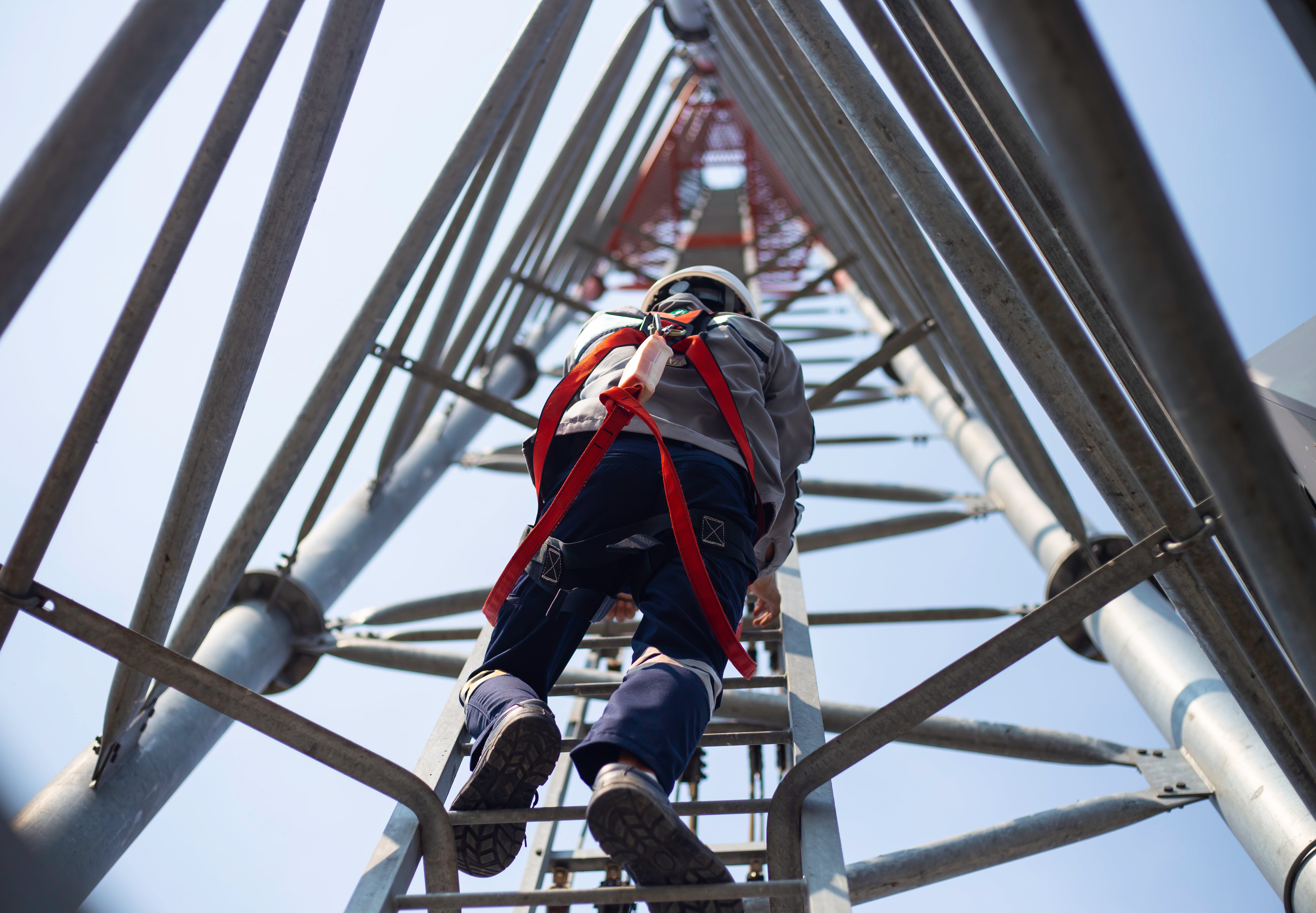
Engineers and technicians working at height, often in challenging locations and appalling weather, are well aware of the risk of hand tools or equipment falling or being dropped.

Not only are they a major threat to anyone working below, plunging tools can damage critical systems, causing expensive downtime.

The success of the safety focused Tools@Height programme from Snap-on Industrial depends upon securely tethering all hand and power tools to lanyards, bags, pouches and belts.

Says Richard Packham, Snap-on Industrial’s Director, UK & Europe: “Engineers and technicians working at height need to have absolute confidence that their safety equipment will protect them and others working below them, as well as safeguarding vital systems and machinery.

“Our extensive research, development and quality management programme has resulted in advanced design, manufacturing, testing and operating procedures covering safety and dropped object prevention.”

The result is a wide range of dependable tools with strong, integrated fixing points to enable hand and power tools to be securely tethered to Snap-on lanyards, bags, pouches and belts, while ensuriing functionality.

Tools@Height sockets, adapters and extensions have a locking hole on all sides. Drive tools and ratchets have a locking pin which fits into the side locking hole to ensure positive locking. Less secure attachments with a hole only on one side are at risk of falling apart.

Snap-on Industrial can supply individual tools or complete kits to meet customer specifications and can provide full training in their use. Products are delivered to customers’ premises fully assembled and ready for immediate use.

01536 413904

This email address is being protected from spambots. You need JavaScript enabled to view it.

www.snapon-industrial.co.uk/tools-at-height

Howden hydrogen compression solutions at the Beijing ‘Green’ Winter Olympics

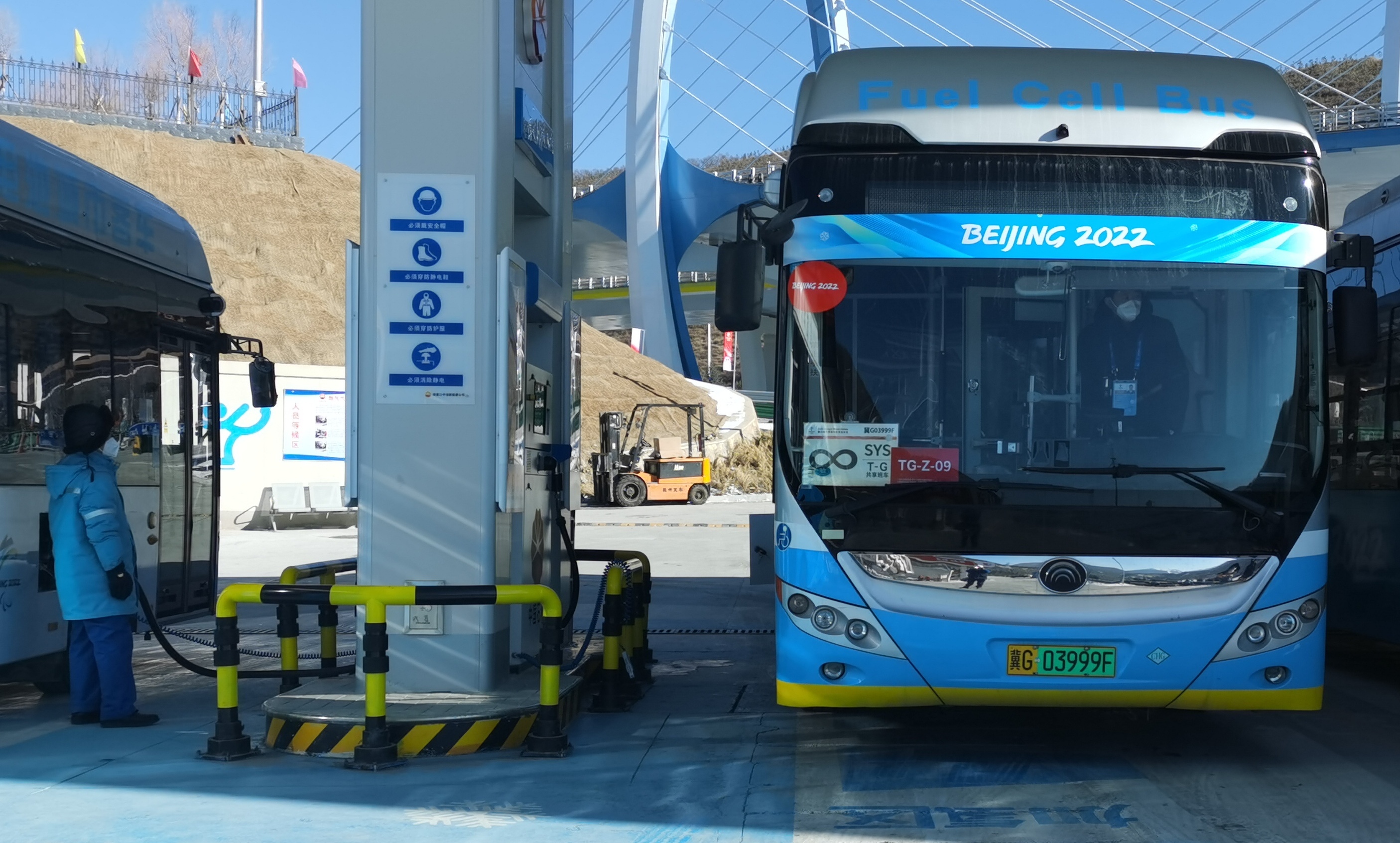
Leading global provider of mission critical air and gas handling products, technologies and services, Howden, supplied eight diaphragm compressors for hydrogen refueling stations at the 2022 Beijing Winter Olympic Games.

As one aim of the 2022 Winter Olympics was to produce an event that was both low carbon and with zero emissions, the compression technology from Howden brought hydrogen energy to four refueling stations. Filling up to 180 vehicles a day, including buses and service cars, the contract supported Howden’s own commitment to enable its customers’ vital processes to advance a more sustainable world.

Vital in the supply of the hydrogen compressors was service reliability, for which Howden is renowned. For the duration of the Olympic Games, Howden’s site service engineer remained on site, providing ongoing monitoring to ensure the safe and continuous operation of the equipment during difficult weather conditions.

Harold Lang, President of China at Howden, comments: “Howden was honoured to be part of the team delivering a truly sustainable solution for the Beijing Winter Olympics. Supporting our own commitment to carbon Net Zero, this contract represented an important step in sharing our knowledge and expertise to contribute to an energy transition where hydrogen has a clear role to play.

“Howden has a long history of supporting vital processes in China. We have a strong presence with over 1,200 employees, operating with offices and service centres across seven cities with a large manufacturing centre, to support many key industries across the country.”

Howden received further endorsement from the HQ for traffic operations in the Zhangjiakou Competition Area. This commended the hard work and support delivered by the Howden team through the Games and confirmed that it was trust in the Howden brand that drove the decision to use its products.

Howden focuses on helping customers increase the efficiency and effectiveness of their air and gas handling processes enabling them to make sustainable improvements in their environmental impact. Howden designs, manufactures and supplies products, solutions and services to customers around the world across highly diversified end-markets and geographies.

The business recently announced its target to be carbon Net Zero by 2035 through the purchase of renewable energy and carbon free energy; efficiency gains from energy conservation measures; and by renewable energy projects at its manufacturing facilities. The largest impact the business will have on global sustainability will be through its partnership with customers to supply equipment that will make a major impact on their carbon emissions and sustainability.