
News

ATEX in Context, Part 2 – From Certification to Control: Making Hazardous Area Compliance Work in Practice

Part 1 set out why ATEX should be treated as the foundation of a broader compliance system, not a product checkbox. Part 2 looks at where that system breaks down, and what it takes to make it work.

The Gap Between Certification and Operation

One of the most common failures in hazardous area compliance is not a bad certificate, but rather a good certificate applied badly.

Zone classification drawings and permit-to-work systems are often maintained by different teams, on different timelines, and never formally linked. The drawing says Zone 1. The permit was written for a previous configuration. The technician follows the permit, not the drawing. This is where compliance gaps become safety gaps, not because the equipment was wrong, but because the controls around it were never connected.

Closing this gap requires zone drawings linked to permit-to-work controls, with a defined trigger for review whenever either changes. A competent workforce, evidenced through schemes such as CompEx, is not a supplementary credential. It is the mechanism that makes every other control meaningful.

When the Certificate Leaves the Factory

For manufacturers, ATEX certification is awarded against a defined design. Maintaining it over the product lifecycle is a separate obligation, governed by quality assurance schemes most end users never see.

Under QAN and QAR arrangements, manufacturers carry ongoing responsibility for ensuring every unit continues to conform to its certified design. EN ISO/IEC 80079-34 defines what this requires: change control, component traceability, internal audits, and a formal process for assessing whether any modification affects the basis of certification.

When these systems work, the certificate remains meaningful throughout the product's life. When treated as paperwork, the gap between certified design and actual product quietly widens, particularly in control panels, skid-mounted systems, and complex enclosures. This is where many failures start: an engineering change is raised, the modification is made, and nobody checks whether the original Ex assessment still holds.

What Insurers and Auditors Are Now Asking For

Hazardous area compliance is increasingly visible beyond the engineering team. Insurers and auditors are not only looking for Ex certificates, they want evidence of joined-up governance: inspection histories, management-of-change (MOC) records, and clear links between zone classification, maintenance, and environmental monitoring.

A flammable vapour release that creates or extends a Zone 2 atmosphere may affect ATEX zoning, DSEAR risk assessment, environmental controls, and maintenance priorities simultaneously. Organisations managing these as separate files struggle to demonstrate control when any one is challenged. The pattern auditors repeatedly find is not non-compliant equipment. It is disconnected systems.

What Good Looks Like

The answer is not more certification. It is better connection between the systems that already exist.

That means digital asset registers where every item of Ex equipment carries its certificate, zone location, inspection history, and next inspection date. It means change control that flags ATEX implications automatically. It means inspection schedules aligned with DSEAR review cycles and IEC 60079-17 requirements.

The barrier is rarely technology. It is the organisational decision to treat compliance not as a file to be maintained, but as a system to be managed.

https://exveritas.com/


WORKPLACE AND ENVIRONMENTAL MONITORING: FREE WEBINAR SERIES RETURNS WITH ADDITIONAL DATA & SOFTWARE TRAINING MODULES

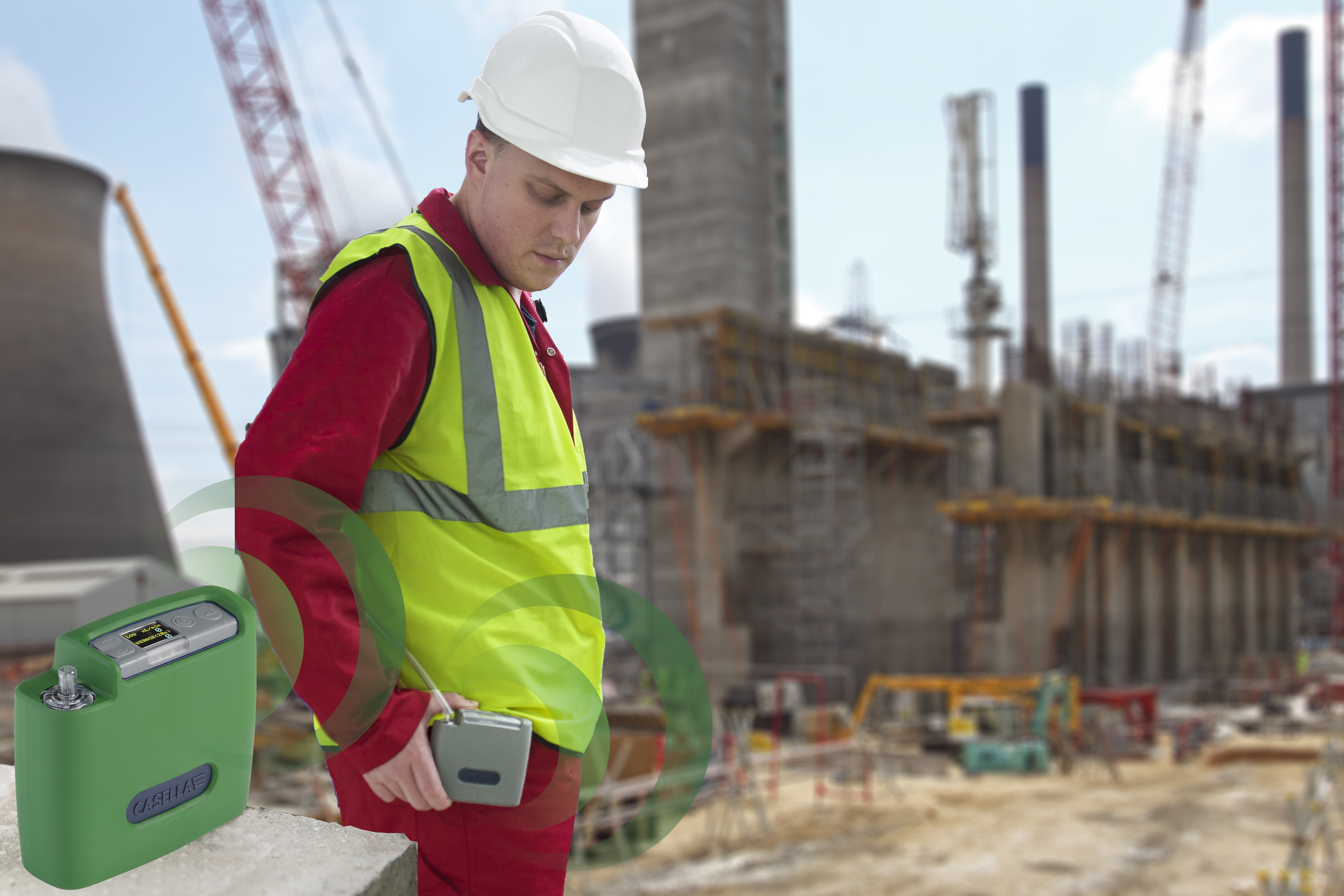
Casella, global occupational and environmental monitoring equipment manufacturer, has announced its latest schedule of training webinars for environmental and workplace monitoring.

The schedule of free-to-attend webinars will cover: workplace monitoring for noise, environmental boundary monitoring, hand and arm vibration, air sampling, as well as instrumentation usage and best practice.

New for 2026, Casella has also added dedicated software webinars covering Casella Insight Data Management and Casella NoiseSafe, giving attendees the opportunity to see live demonstrations of data workflows including importing, viewing and manipulating results, device configuration and reporting.

Available worldwide, most webinars will be hosted twice in one day at 10:00am and 3:00pm (UK time) to support attendance across multiple time zones. Software and solution demonstration sessions (including Insight, NoiseSafe and Guardian 2) will run as dedicated sessions. Each webinar will conclude with a Q&A session for attendees to ask Casella experts any pressing questions on the topic.

Further noise monitoring webinars will cover equipment best practice and the ‘dos and don’ts’ of using tools such as sound level meters and noise dosimeters.

For air sampling, Casella is offering webinars that introduce the principles of air monitoring as well as more practical guidance, including setting up air sampling pumps correctly to help ensure accurate exposure data. Additional sessions will also address specific airborne hazards and associated filter types, including an introduction to asbestos sampling.

Casella will also host webinars on the data required for environmental boundary monitoring on construction sites, including the key parameters for noise, particulate and vibration within regulations, alongside best practice guidance on siting, installation, operation and maintenance to support high-quality data and compliance with guidance and legislation.

For Hand Arm Vibration Syndrome (HAVS), Casella will deliver a webinar reviewing terminology about HAV measurement, legislation and exposure limits, as well as how to measure exposure on the tool correctly and subsequently calculate exposure levels.

Phil Bradley, Managing Director at Casella, said: “We’re pleased to bring back our free webinar series to help others to reduce occupational health and environmental risks in the workplace.


“These educational sessions provide in-depth knowledge and practical strategies to improve workplace health and safety. We have now included sessions around software use and data management as our solutions become more digital and data is more real-time focused.”

The series will run from April to November 2026. To view the full schedule and sign up for any of these webinars, free of charge, visit:
UK & International – Casella Webinar Series

Face-to-face training is also available. Dates for Casella’s in-person courses can be found here:
Casella Training Courses

To find out more about Casella’s industry-leading range of monitoring solutions, please visit
Casella Solutions


CAD.jpeg

M.E.P. Pellegrini Marine Equipments has its origins as far back as 1962

It was part of the Pellegrini Group of Companies, specialised in development, design and production of machinery, both custom made and in serial production for the metalworking and the precision mechanics industry.

Since 1982 M.E.P. Pellegrini Marine Equipments S.r.l. has been operating as an independent company, a worldwide-recognized leader in the design and construction of hoisting/handling machinery such as:

⦁ OFFSHORE CRANES AND FACILITIES
⦁ NAVY EQUIPMENTS
⦁ DECK MACHINERY & MARINE WINCHES
⦁ LIFE BOAT DAVIT AND RESCUE BOAT DAVIT
⦁ ENGINE ROOM OVERHEAD CRANES
⦁ A-FRAMES
⦁ SPECIAL EQUIPMENTS 

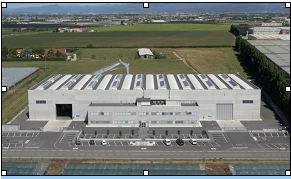
Our Plants 

our_plants_1.jpeg

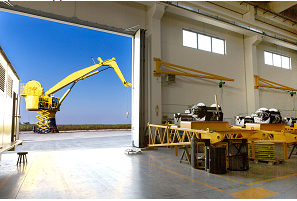
PRODUCTION, TESTING & LIFTING FACILITIES
MEP is present in the OIL&GAS/shipbuilding market since approx. 45 years and is specialized in design, production, installation of Harbour and offshore cranes, deck machinery for merchant and Navy Vessels, barges and platform, lifting equipment for power & LNG plants, special equipment.

The production philosophy is “tailor made”, fully customized in way to provide products in compliance with the Client requirements and project specifications.

In detail, MEP has cooperated with the most important Companies for offshore and onshore projects to supply Offshore cranes and mooring winches for fixed platform, FPSO-FSO, Jack up barges, drilling rigs, pipe layers, hoisting equipment for LNG terminal tanks and other special application.

spa.jpeg

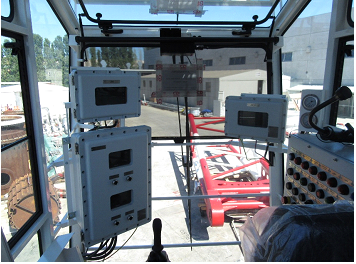
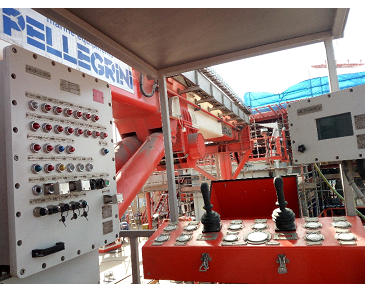
Our products are fully complied with the more stringent ATEX regulations and can be installed and safely used in Hazardous Areas.

Total area 25000 mq
Test benches 5
Capacity for the 2 main test benches 5000 tm
Capacity for the 2 test benches 1000 tm
Capacity for 1 test bench 500 tm
Worldwide service markets 14

DESIGN / ENGINEERING
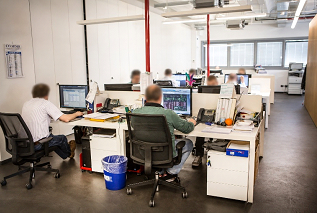
The high experience of its technical office that uses the most modern computerized system together with a constant cooperation with a liable team of Naval Architects and Marine Engineers, permits to M.E.P. the study and design of the above listed equipment to be installed on Naval, Merchant Vessels, Offshore Platforms, Jack up barges.
MEP designs and manufactures customized ship equipment meeting the requirements of International Conventions and Rules of Marine Classification Societies and it is specialized in the developing of special design of machinery devised for Navy installation

de.jpeg

DESIGN AND INSTALLATION
ATEX AND IECEX ELECTRIC PLANTS
MEP has designed and produced several installations of cranes in OFFSHORE HAZARDOUS AREAS in the main sites of the world, such as UAE, Africa, China, Brasil, Europe. Typical installation of ATEX or IECEX components is for:

⦁ Junction Boxes Exe
⦁ Electric Panels Exd
⦁ Lighting Exe/Exde
⦁ Instrumentation Exi/Exd/Exm
⦁ Fire detections system sensors: smoke detectors, heat detectors, gas detectors.
⦁ Ultrasonic wind speed sensors
⦁ Force measurement pins
⦁ Pressure and temperature switches and transducers
⦁ Electric and electronic control valves.
⦁ Suitable cables glands Exd/Exe and relevant armoured cables

Installations are suitable for ZONE 1 and 2 IIA/IIB T3/T4 GAS.
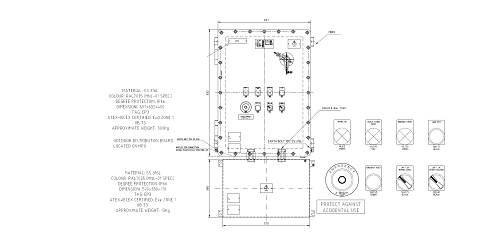
The electric design of the cranes is made to manage all the electric and electronics components to drive and controls the hydraulic plant (power electric motors, control valves, commands). The hazardous area design consists in the choice of the components suitable for the installation according to the client’s specifications and area classification. The choice of the components often follows the clients APPROVED VENDOR LIST.

The product of the design is the electric diagram and the components list:

cl.jpeg

Then the production, electrical installation and test is made in MEP plants before delivery.

meo.jpeg

Final installation and test is made by MEP engineers offshore.


pg.jpeg

Flexible Multi Gas Detection Designed for Everyday Industrial Safety

ION Science Ltd., a global leader in occupational gas detection solutions, presents the
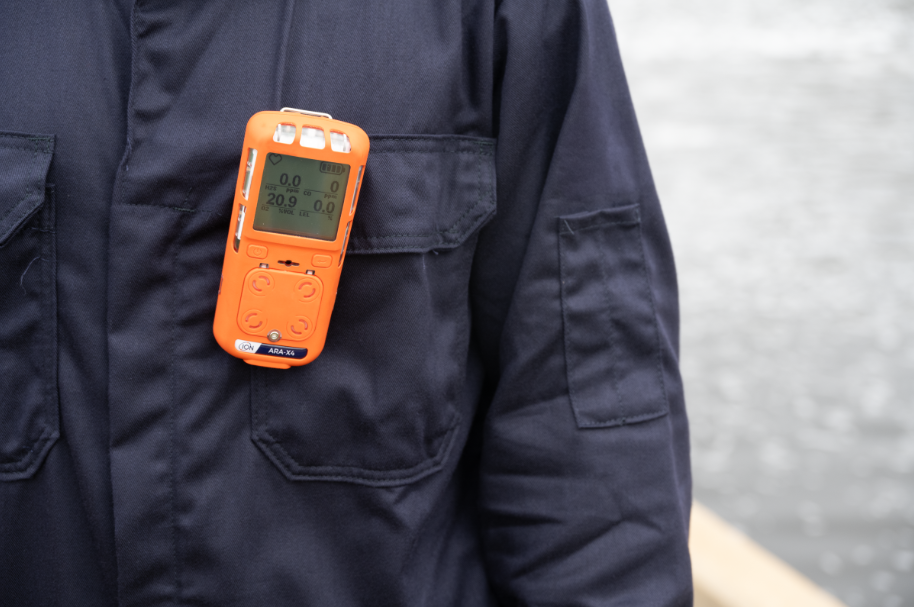
ARA-X4 multi gas detector, a rugged and flexible addition to its wearable gas detection portfolio designed to support safer working environments across many industries.
Developed with both reliability and ease of use in mind, ARA-X4 offers a practical solution for organisations requiring dependable multi gas monitoring in hazardous conditions. The detector supports both leaded and lead-free O₂ sensor options, features a quick-access filter for simplified maintenance, and can be configured to suit a wide range of workplace applications.


ARA-X4 is capable of monitoring up to four gases simultaneously, including oxygen (O₂), carbon monoxide (CO), hydrogen sulphide (H₂S), hydrogen cyanide (HCN), sulphur dioxide (SO₂), and combustible gases (LEL). By delivering continuous, real-time monitoring, the detector helps businesses support compliance requirements while improving worker protection in potentially dangerous environments.
A strong focus has also been placed on user experience. The instrument features a clear ‘SAFE’ indicator, giving workers immediate visual reassurance when no gas hazards are detected. Additionally, its flip-screen functionality adjusts the display orientation depending on how the detector is worn, making readings easier to view throughout the working day.


ARA-X4 has also been designed to provide greater operational flexibility through its user-configurable and replaceable sensor options. Users can tailor the instrument to suit specific applications and workplace hazards by selecting the most appropriate sensor configuration, helping businesses adapt quickly to changing site requirements without needing multiple devices.


The detector also features easily accessible and replaceable filters, allowing routine maintenance to be carried out quickly and efficiently. This helps minimise downtime, extend instrument lifespan and reduce disruption to daily operations. By simplifying both sensor management and maintenance, ARA-X4 offers a more practical and cost-effective approach to personal gas detection for busy industrial environments.
Additional features include a bright backlit LCD display with clear status indication, long battery life for extended operation, automatic data logging, and PC connectivity for simplified data management and compliance reporting. The detector is also backed by an industry-leading five-year warranty.


To further support day-to-day maintenance and operational efficiency, ARA-X4 is fully compatible with the ARA-X Docking Station. The docking station provides automated bump testing, calibration, and alarm verification, helping businesses reduce downtime and maintain reliable instrument performance across industries such as oil and gas, wastewater, manufacturing, petrochemical and confined space operations.
With more than 35 years of expertise in gas detection technology, ION Science continues to develop solutions focused on worker safety, reliability and ease of use. The ARA-X4 reflects this ongoing commitment, providing businesses with a dependable and user-friendly approach to wearable multi gas detection.
For more information or to talk to an expert, visit: https://bit.ly/4dhqYz3


How the right combination of certified mobile devices can form a reliable worker safety ecosystem in hazardous areas.

When work takes people into areas where a single spark can be catastrophic, the tools they carry must do more than function reliably. They must keep workers safe, connected and informed, at all times. A well-considered selection of ATEX-certified mobile devices can form exactly that kind of ecosystem — one that addresses worker safety comprehensively, without requiring a proprietary end-to-end system.

The combination of the IS440.1 5G radio, the IS540.1 5G smartphone, the IS940.1 5G tablet and the IS-SW1.1 smartwatch from i.safe MOBILE is one such approach. Each device is certified for use in Zone 1/21 and together they cover the full range of communication, data capture, monitoring and alerting that modern hazardous-area operations require.

Vital data, where it matters most

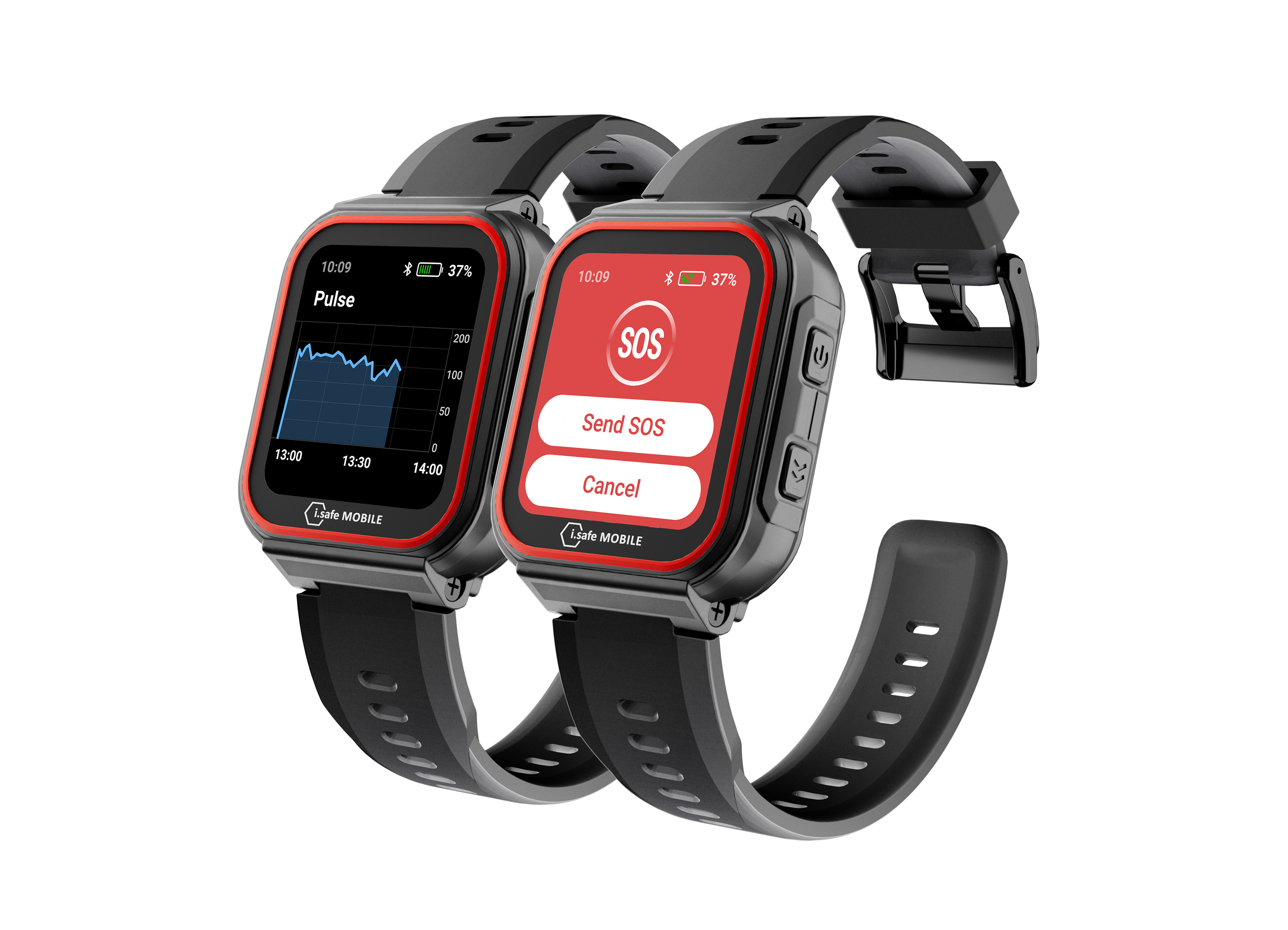
The IS-SW1.1 smartwatch, certified for Zone 1/21, is worn on the wrist and continuously monitors physiological parameters, providing real-time vital data that supervisors can track remotely. Heart rate, movement patterns and alarm triggers give safety teams the situational awareness they need, without relying on workers to actively report incidents. In high-noise or high-risk situations, that difference can be decisive.

The smartwatch also serves as a discreet alert channel. Workers can trigger man-down alarms or no-movement alerts automatically, without reaching for a handheld device. The wearable form factor means it integrates naturally into existing workflows, without adding complexity or distraction.

Three devices, one coherent approach

The IS440.1 is a 5G radio certified for Zone 1/21, running on ISM-OS 14, i.safe MOBILE's own Android-based platform specifically tailored for hazardous environments. It ensures secure and failure-free PoC communication via public or campus networks, whether over 4G, 5G or Wi-Fi®. A gateway makes the IS440.1 interoperable with previous radio technologies, enabling seamless integration into existing communication infrastructures without replacing what is already in place.

The IS540.1 is a ATEX-certified 5G smartphone for Zone 1/21, designed for communication, documentation and system access in demanding field environments. The 5G IS940.1 adds a full 10.1-inch tablet form factor, suited for scanning-intensive workflows and more demanding field operations. Both integrate seamlessly with enterprise mobility management systems and existing backend infrastructure, making them a practical choice for organisations that need to build on what they already have.

What makes this combination compelling as a worker safety ecosystem is not a fixed system architecture, but the way these independently certified devices complement each other in practice. Real-time data flows between the smartwatch, the tablet, smartphone, 5G radio and backend monitoring platforms, giving organisations a coherent picture of their workforce in hazardous areas.

Safety as a system, not a feature

Lone worker protection, emergency communication and compliance documentation are often managed as separate solutions in industrial environments. A thoughtfully assembled 

combination of Zone 1/21-certified devices, such as the ones described here, can bring these functions together without requiring a proprietary closed system. That flexibility reduces integration effort, lowers total cost of ownership and, crucially, removes the gaps between solutions where incidents can go undetected.

For safety managers, such an ecosystem provides the oversight and traceability that modern hazardous-area operations demand. For workers, it means carrying devices that are reliable, intuitive and built for where they actually work. The right devices, chosen with care, can make the difference.

www.isafe-mobile.com

Designed for Explosive Atmospheres

ec27504a bf2b 4feb bd07 602212a12a02

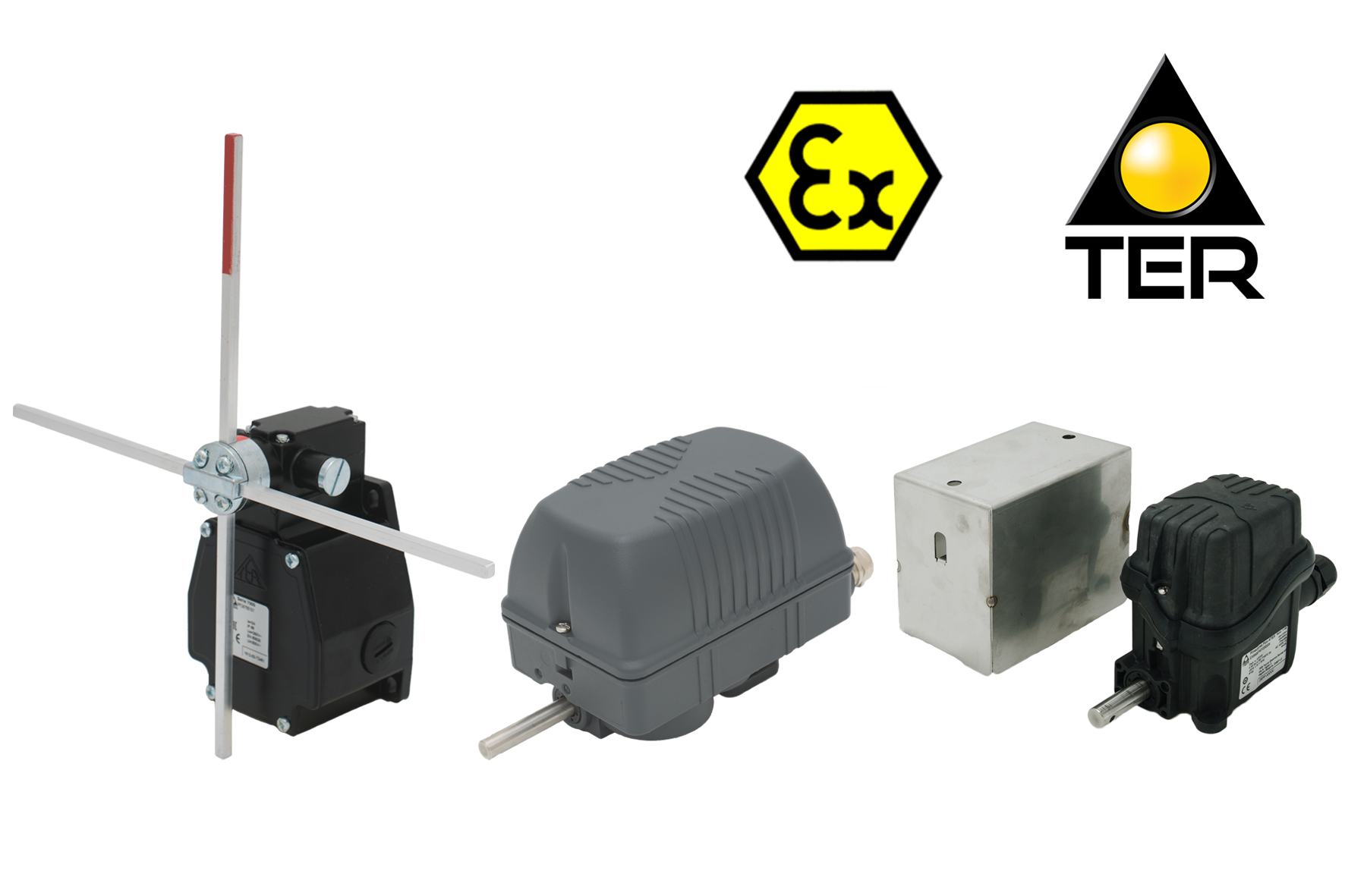
TER Tecno Elettrica Ravasi’s FOX, TOP and 7551-7552 limit switch series are now available with ATEX certification, ensuring maximum reliability and safety even in potentially explosive atmospheres.

In the industrial automation sector, control and safety devices play a crucial role, especially in environments classified as explosion-risk areas. Among these, TER Tecno Elettrica Ravasi limit switches represent a reliable and versatile solution for monitoring the position and movement of machinery with rotating parts, lifting systems and other industrial equipment.
When used in hazardous environments, these devices must comply with strict regulations such as the ATEX Directive 2004/34/EU.

What is a limit switch?

A limit switch is an electromechanical device designed to detect the position of moving components by activating or deactivating electrical contacts when predefined positions are reached. This makes it ideal for applications such as:

  • slowing-down, stopping and end-of-travel control functions,
  • position and speed monitoring,
  • automatic management of industrial cycles.

ATEX Certification: Safety in Hazardous Areas

The ATEX certification obtained by TER for the FOX, TOP and 7551-7552 products confirms their suitability for operation in potentially explosive atmospheres caused by the presence of combustible gases or dusts.

ATEX Zones for Gas, Dust and Mining Applications

  • Zone 2 (Gas): area where the presence of an explosive atmosphere is unlikely and, if it occurs, persists only for a short period.
  • Zone 22 (Dust): area where the presence of combustible dust in hazardous concentrations is rare and temporary.
  • Mining applications: IM2 category equipment intended for underground mines where firedamp (methane) and combustible dust may be present.

In addition to standard industrial environments, ATEX limit switches are also used in the mining sector, where operating conditions are even more critical.

The IM2 classification identifies equipment intended for underground mining applications with the presence of firedamp (methane) and combustible dust.

Main Features of FOX, TOP and 7551-7552 ATEX limit switches

The ATEX-certified limit switch series for Zone 2, Zone 22 and IM2 applications generally includes the following features:

  • robust housing made of metal alloy or reinforced technopolymer,
  • high degree of protection,
  • highly reliable electrical contacts,
  • corrosion-resistant components,
  • multiple certifications for gas, dust and mining applications.

Operational Advantages

The adoption of the ATEX-certified FOX, TOP and 7551-7552 series provides several benefits:

  • Safety: prevention of explosion risks.
  • Reliability: continuous operation even in harsh conditions.
  • Versatility: suitability for different sectors including chemical, food processing, energy and mining.
  • Reduced maintenance: thanks to robust and durable construction.

Fields of Application

These devices are used in:

  • oil & gas plants,
  • chemical and petrochemical plants,
  • silos and grain processing facilities,
  • cement plants,
  • power generation plants,
  • underground mines,
  • material handling systems,
  • lifting equipment,
  • mobile power supply systems.

Conclusion

The ATEX certification issued to TER by ConformEX represents an important recognition of the quality, reliability and safety of its products intended for hazardous environments.

This achievement confirms the company’s continuous commitment to compliance with international standards (IEC EN) and to the development of technologically advanced solutions capable of ensuring high safety standards for operators and industrial plants.

Thanks to these certifications, the company further strengthens its market position as a competent and reliable partner for all industries where safety is an essential requirement.

RetroSeal® Delivers Fast IP66/7 Restoration for Hazardous Area Cable Glands

A cable glands ability to offer Ingress Protection against water and dust is only as good as its sealing washer. Most cable glands, if fitted without a washer or if the washer is damaged, offer only IP54 protection at best. In Hazardous Areas, where IP66/7 is often the required protection level, missing or damaged washers can cause serious issues.

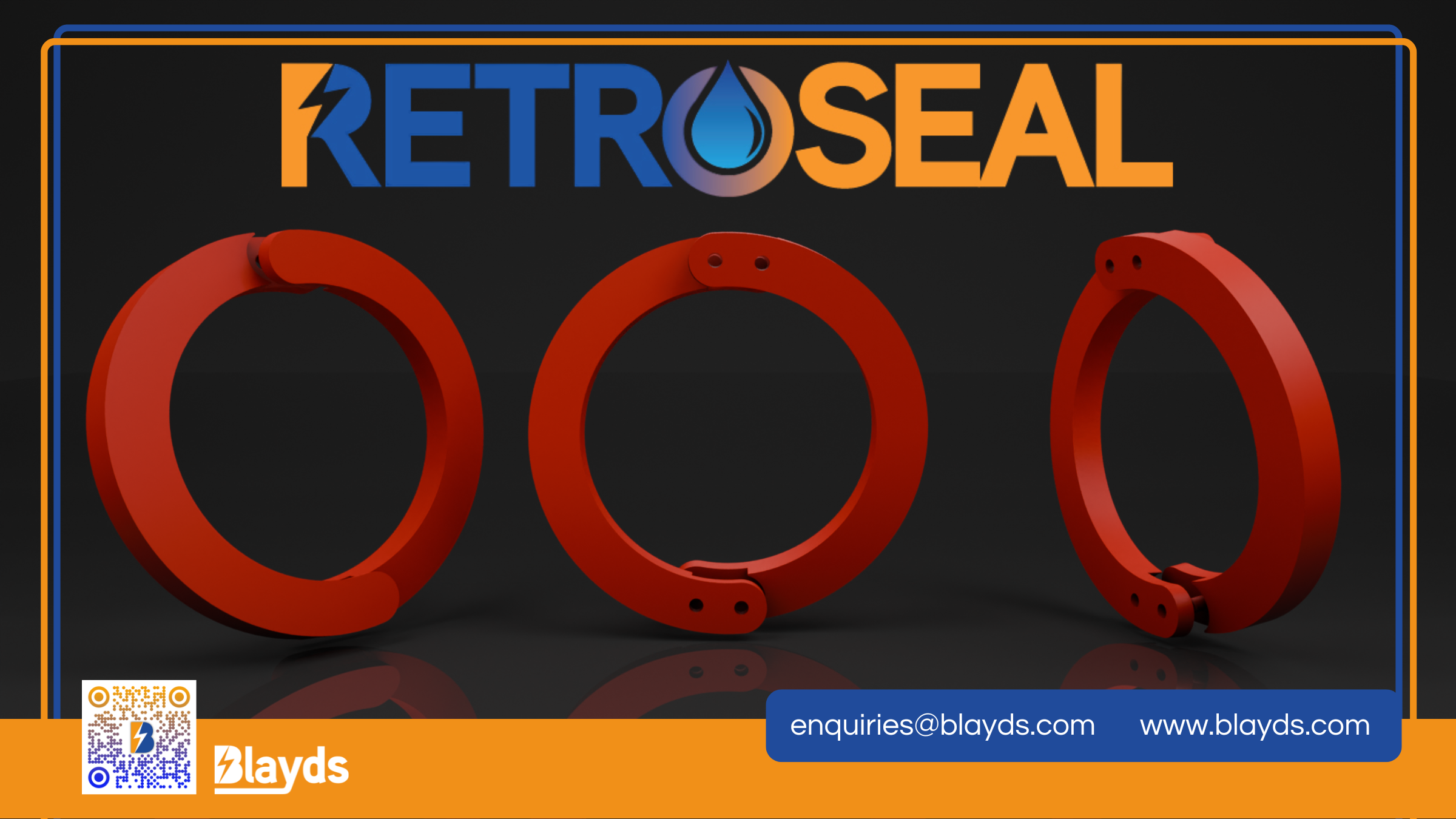
The RetroSeal® split Ingress Protection (IP) washer enables fast, effective retrofitting of missing, damaged, or degraded seals on existing cable gland installations—without the need to dismantle the gland or disconnect the cable.

Its innovative 2-part design allows installation in situ, significantly simplifying maintenance in live or critical systems. Independently tested to IP66/7, RetroSeal® delivers a reliable, long-term seal at the equipment-to-gland interface, ensuring continued protection in demanding industrial and hazardous environments. By eliminating full gland removal, RetroSeal® dramatically reduces labour time, material usage, and manpower requirements. The result is a highly cost-effective maintenance solution that minimises downtime and operational disruption. In live or critical systems disconnecting and re-terminating cables can introduce unnecessary hazards and extended outages. The RetroSeal® split washer eliminates this requirement, allowing technicians to restore or upgrade the IP seal quickly and safely, even on fully installed glands.

Manufactured from UV- and ozone resistant materials and available in a range of sizes from M20 to M63, RetroSeal® provides a robust, rapid sealing solution for both planned maintenance and urgent repairs.

  • Reduced Labor: Repairs are completed faster without the need to remove or re-terminate and test cables.
  • Lower Downtime: Quick installation minimizes process interruptions & downtime.
  • No Material Waste: The design allows for the reuse of existing cable glands.
  • Efficiency: The 2-part split design features a simple, fast, and secure installation method, rated to IP66/7.

To learn more, visit our website at www.blayds.com or email This email address is being protected from spambots. You need JavaScript enabled to view it. to request a free sample.

EEMUA welcomes Johnson Matthey as a Corporate Member

Johnson Matthey logo

The Engineering Equipment and Materials Users Association (EEMUA) is pleased to announce that Johnson Matthey has joined the Association as a corporate member.

Johnson Matthey is a global leader in speciality chemicals and sustainable technologies, operating advanced manufacturing facilities across multiple countries. With a long-standing commitment to innovation, engineering excellence, and the development of solutions that support the transition to a more sustainable future, the company brings expertise that aligns strongly with EEMUA’s mission.

EEMUA exists to help users of engineering equipment improve their safety, efficiency, regulatory compliance and bottom line. The addition of Johnson Matthey strengthens the Association’s diverse membership base and supports its goal of bringing together engineers from a wide range of sectors to share experiences, learn, and solve problems.

Welcoming the organisation’s newest member, EEMUA Chief Executive Stefan Kukula said: “We are delighted to welcome Johnson Matthey into EEMUA. Their global perspective, technical capability, and commitment to sustainable industrial operations will enrich our community and contribute to the shared learning that sits at the heart of EEMUA’s work.”

Muhammad Ahsan Arshad, Johnson Matthey Asset Integrity Lead commented: “We are delighted to join EEMUA as a corporate member. This partnership reflects our commitment to engineering excellence and continuous improvement. Through EEMUA, we look forward to advancing capability development across our teams, standardising engineering practices, and contributing to a shared industry agenda. Access to a collective knowledge base and collaborative learning opportunities will strengthen our organisation and help us deliver safer, more efficient operations.”

As a corporate member, Johnson Matthey will have access to EEMUA’s full suite of resources, including specialist committees, technical publications, competency-based training, and opportunities to participate in cross-industry initiatives. The company’s involvement will support the development of good practice across sectors while enabling Johnson Matthey’s engineers to engage with peers facing similar operational and regulatory demands.

EEMUA looks forward to Johnson Matthey’s active participation in the Association and to the benefits this involvement will bring, strengthening EEMUA’s collective expertise while supporting Johnson Matthey in its ongoing drive for safe, reliable, and efficient operations worldwide.

www.eemua.org


Hart Door Systems and its assault on sea salt

nick.jpeg

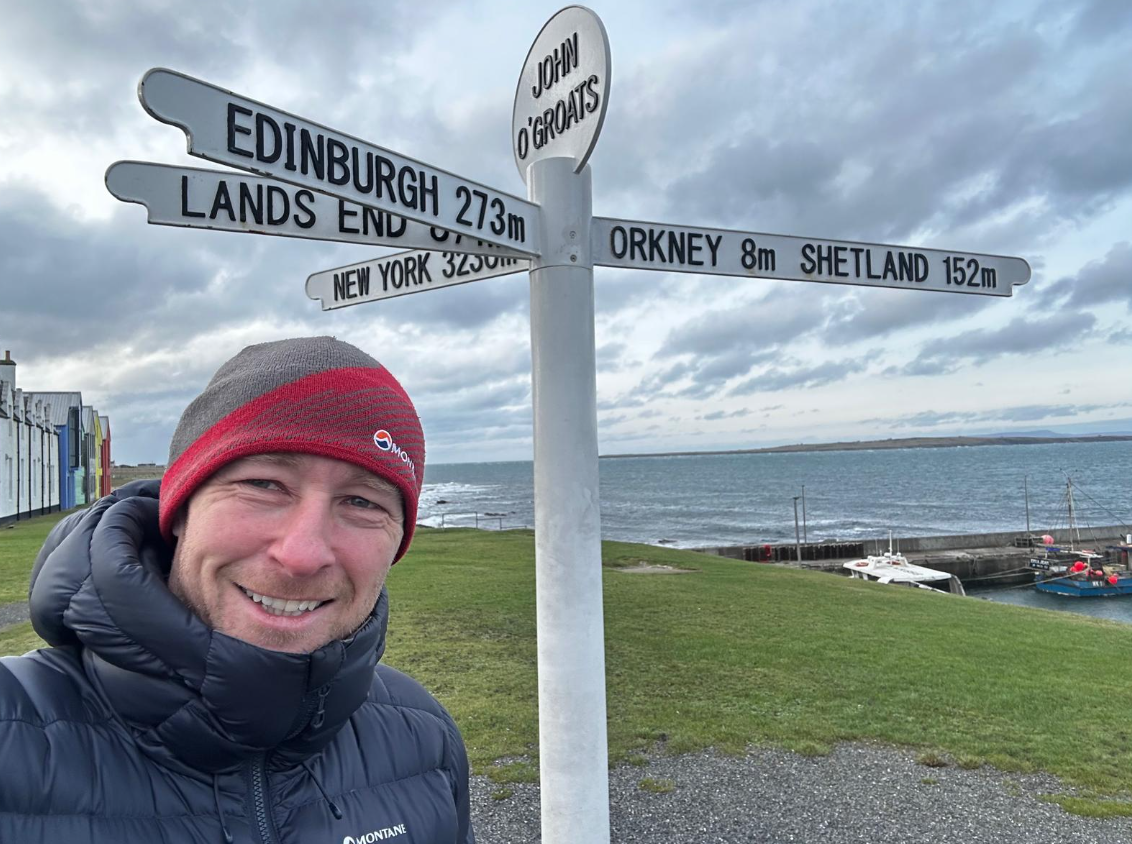
Nick’s recent Scottish travels took him to sites where issues ranged from extreme wind to exposure to corrosive atmosphere, from Inverary, to Fort William; from John O’Groats to Oban, from Orkney to Inverness to name just a few destinations.

Being an island under the general heading of the ‘British Isles’ much land faces sea. The result is much economic activity depends on access to the sea which brings with it wind load challenges and the corrosive impact of salt itself writes Chris Dobson.

A recent tour of UK locations which feature Hart doors showed that five sites were exposed to highly corrosive atmospheres as well as extreme wind. Under these circumstances doors have to withstand wind up to 1250 pascals. It should be noted that Hart is capable to facing global challenges. As an example a block of flats in Hong Kong has Hart doors with no failures in six years.

Returning to the impact of salt from nearby seas, there are problems for industry caused mainly by accelerating corrosion and damaging equipment.

Salt-laden air near coastlines carries chloride ions, which are highly corrosive to metals. When these ions settle on industrial equipment, they can accelerate corrosion by making moisture more conductive, speeding up electrochemical reactions that rust metal.

Further the breakdown of protective oxide layers on metals like steel and stainless steel can lead to pitting and structural weakening. Typically the electrical infrastructure can be damaged with switchgear and transformers degrading faster in coastal environments.

Electricity distribution equipment corrodes more quickly, reducing lifespan and increasing maintenance costs and in general threatening reliability.

Even concrete structures can be affected by chloride ions which penetrate concrete and corrode internal steel reinforcement. To avoid this, protective coatings such as marine‑grade paints can assist, polymer coatings, galvanisation) to isolate metal from salt exposure.

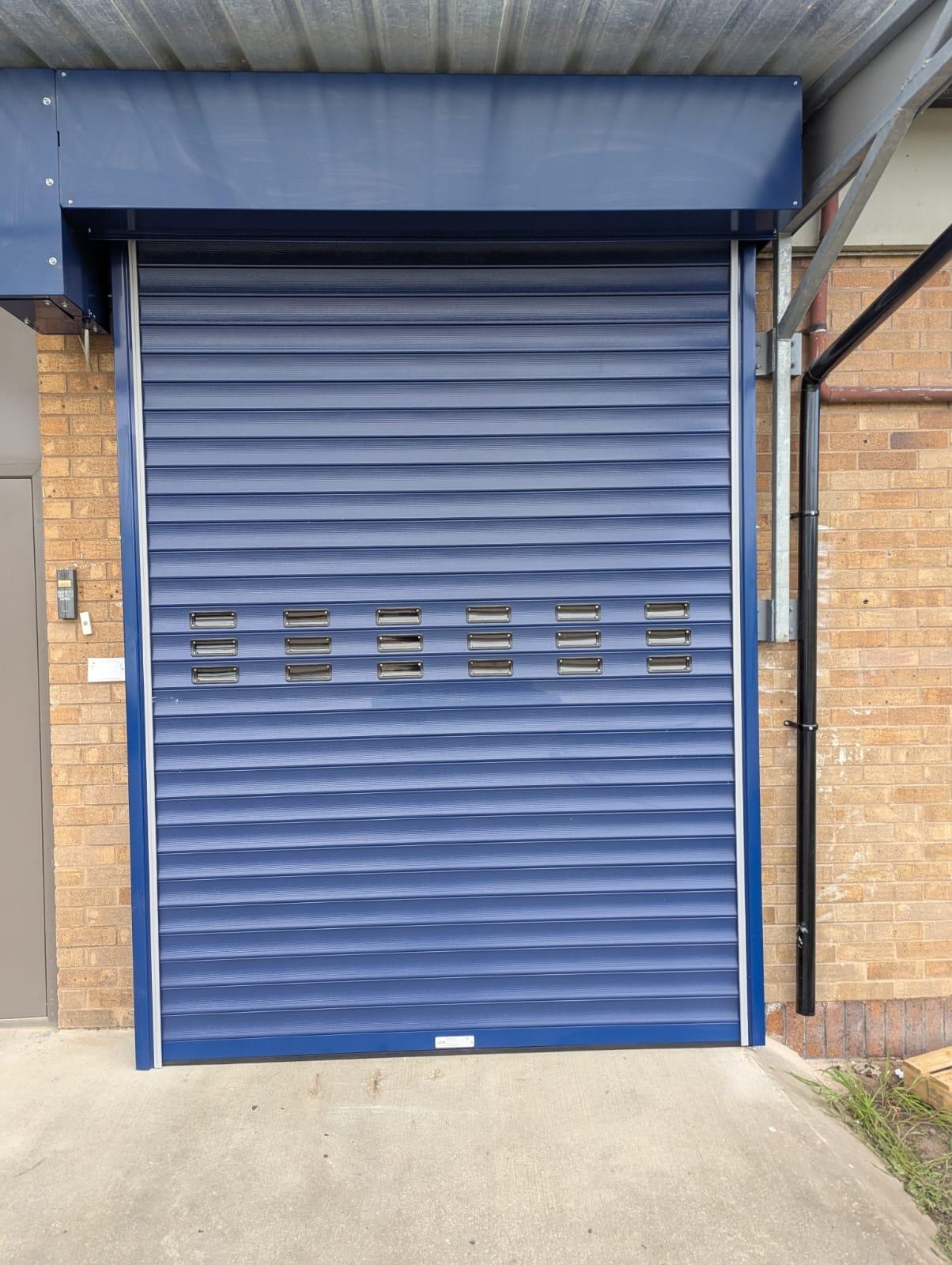
The key message is all main access to buildings should be protected by automatic door systems such as Harts insulated rolling shutter doors manufactured in the UK. As the longest established British manufacturer of high-speed insulated roller shutters, Hart offers a range of reliable custom insulated shutters suited to specific requirements. Hart has a wide selection of lath profiles recommended for temperature control.  

After a recent, intensive tour of projects in Scotland, Nick Hart, Hart’s managing director, gives a detailed insight into the issues faced as result of sea salt. “Yes the electrical equipment is one area which is cause for concern in a saline environments but equal consideration should be made to the materials the doors is made from and particularly the effects of galvanic corrosion when two dissimilar metals are in contact with one another, which accelerates the corrosion of one of the components.,” says Nick.

“ We have reviewed the entire design of the doors that are destined to be installed in such an environments and create isolating barriers between the different metals to slow down any potential corrosion, as well as using corrosion resistant materials, i.e. stainless steel and non-metallic materials where possible, special bearings and protective coatings. This approach gives the customer the best door solution for what is a very difficult corrosive environment.”

Wind loading is another important factor. Mr Hart says; “Our approach is based on BSEN12424 details wind-class of doors and how to test them. It categorised wind class from 0 to 5, 5 being the most onerous and the door sample needing to survive a pressure of above 1000Pa + 25%, i.e. over 1250Pa”.

Mr Hart adds; “As we know wind class 5 rating is not adequate for many installations throughout the UK, especially in coastal locations. As a result we designed a new type of roller shutter that is capable of surviving much larger forces and build an 8meter wide test rig and tested door sample to 3000Pa and 4000Pa plus 25%, that is door samples tested to 3750Pa and 5000Pa pressure levels respectively.

“This is a industry first and as a result we have successfully sold Typhoon roller shutters in areas that annually experience extreme wind conditions, which include Hong Kong where we have supplied these doors onto the Hong Kong airport and on high rise buildings up to the 19th floor.”

www.harts.com


Connected safety: Why ownership and integration matter

In high-risk industrial environments, safety depends on visibility. Knowing where workers are, understanding the conditions they are operating in, and responding quickly when something goes wrong are fundamental to protecting people and maintaining operational integrity.

Today, connected technologies are transforming how organisations achieve this visibility. Gas detectors, wearable devices and monitoring platforms can provide real-time insights into worker safety, enabling faster decision-making and more proactive risk management.

As connected safety becomes more widely adopted, organisations are increasingly considering how these systems fit within their existing operations. Connected safety solutions can be broadly understood through two approaches: outsourced monitoring services and integrated safety ecosystems.

Two approaches to connected safety

Connected safety solutions typically follow one of two approaches.

The first relies on outsourced monitoring services. In this model, alerts and worker status updates are routed to an external monitoring centre that operates around the clock. When an incident occurs, third-party agents review the alert and escalate the issue if necessary.

The second approach centres on integrated safety ecosystems. Here, connected devices feed data directly into a unified platform used by the organisation’s own safety team. Alerts, reporting and insights remain within the company’s operational structure, supporting alignment with existing processes.

Both approaches aim to improve worker protection, but they are suited to different operational needs. For example, outsourced monitoring can support organisations without dedicated in-house safety teams to manage alerts at all hours or, equally, those with in-house teams working standard business hours. While integrated approaches enable organisations that have round-the-clock safety teams to handle alerts internally within their existing workflows.

Why integration and access matter

Safety teams not only respond to incidents, but also work to understand why they occur and how they can be prevented. This understanding can improve significantly with access to accurate, comprehensive data and the ability to analyse it within the context of daily operations, regardless of how alerts are managed.

It is important to consider where safety data is stored, how it is accessed, and who should act on it. Different models support different organisational needs. For example, outsourced monitoring can provide reassurance for smaller teams, while integrated approaches may suit larger organisations that can manage safety processes in-house at all hours.

An integrated approach enables safety teams to maintain direct access to the information that matters most. By connecting detection devices with safety management platforms, organisations can help keep alerts, worker data and operational insights are readily available within their existing workflows.

Each approach offers different advantages depending on how safety is managed within the organisation. Where integrated systems are in place, safety teams can access and use data within their existing workflows, supporting a more proactive approach to safety management. This enables organisations to 

analyse patterns in exposure, identify emerging risks and refine safety procedures before problems escalate.

From monitoring to safety leadership

As industrial environments become more complex, the role of safety leaders is evolving. Today’s safety teams are expected not only to respond to alarms but also to shape strategies that prevent incidents altogether.

Systems that provide a complete view of safety performance across sites and operations can help safety leaders achieve these goals. Detection technologies, monitoring platforms and reporting tools can work together to create a single source of truth that supports faster, better-informed decisions.

For this reason, many organisations are moving towards integrated safety ecosystems rather than relying solely on standalone devices or external monitoring services. When detection technologies are designed to work within a broader safety platform, they become part of a connected system that supports both immediate protection and long-term safety improvement.

Supporting the next generation of Gas Detection

For industries operating in high-risk environments, such as entering confined spaces, gas detection remains a key component of this ecosystem. Workers need reliable instruments capable of identifying hazards while also feeding data into the wider safety strategy.

Modern gas detection technologies are increasingly designed with this integration in mind. By connecting detection devices with safety management platforms, organisations can gain real-time visibility into worker status and environmental conditions while also capturing valuable data for reporting and continuous improvement.

Solutions such as the ALTAIR io® 6 Multi Gas Detector from MSA Safety are designed to support this ecosystem-led approach. By combining advanced multi-gas detection with seamless integration into connected safety platforms, organisations can enhance worker protection while maintaining control of their data and supporting compliance within existing safety processes. *

Looking ahead

Connected safety is not simply about adding new technology to the workplace. It is about building systems that give organisations the insight and flexibility needed to protect workers effectively.

As connected technologies continue to evolve, organisations will gain the greatest value from solutions that integrate easily into their operations, support streamlined compliance processes and accountability, and provide clear, actionable insights to the teams who help keep people safe.

To explore how integrated gas detection can support a connected safety ecosystem, discover more about the ALTAIR io® 6 Multi Gas Detector and the wider connected safety solutions from MSA.

*ALTAIR io® is a  trademark of MSA Technology, LLC or its affiliates/ subsidiaries; registered in the U.S. and other countries and regions