
News
How the right combination of certified mobile devices can form a reliable worker safety ecosystem in hazardous areas.
When work takes people into areas where a single spark can be catastrophic, the tools they carry must do more than function reliably. They must keep workers safe, connected and informed, at all times. A well-considered selection of ATEX-certified mobile devices can form exactly that kind of ecosystem — one that addresses worker safety comprehensively, without requiring a proprietary end-to-end system.
The combination of the IS440.1 5G radio, the IS540.1 5G smartphone, the IS940.1 5G tablet and the IS-SW1.1 smartwatch from i.safe MOBILE is one such approach. Each device is certified for use in Zone 1/21 and together they cover the full range of communication, data capture, monitoring and alerting that modern hazardous-area operations require.
Vital data, where it matters most
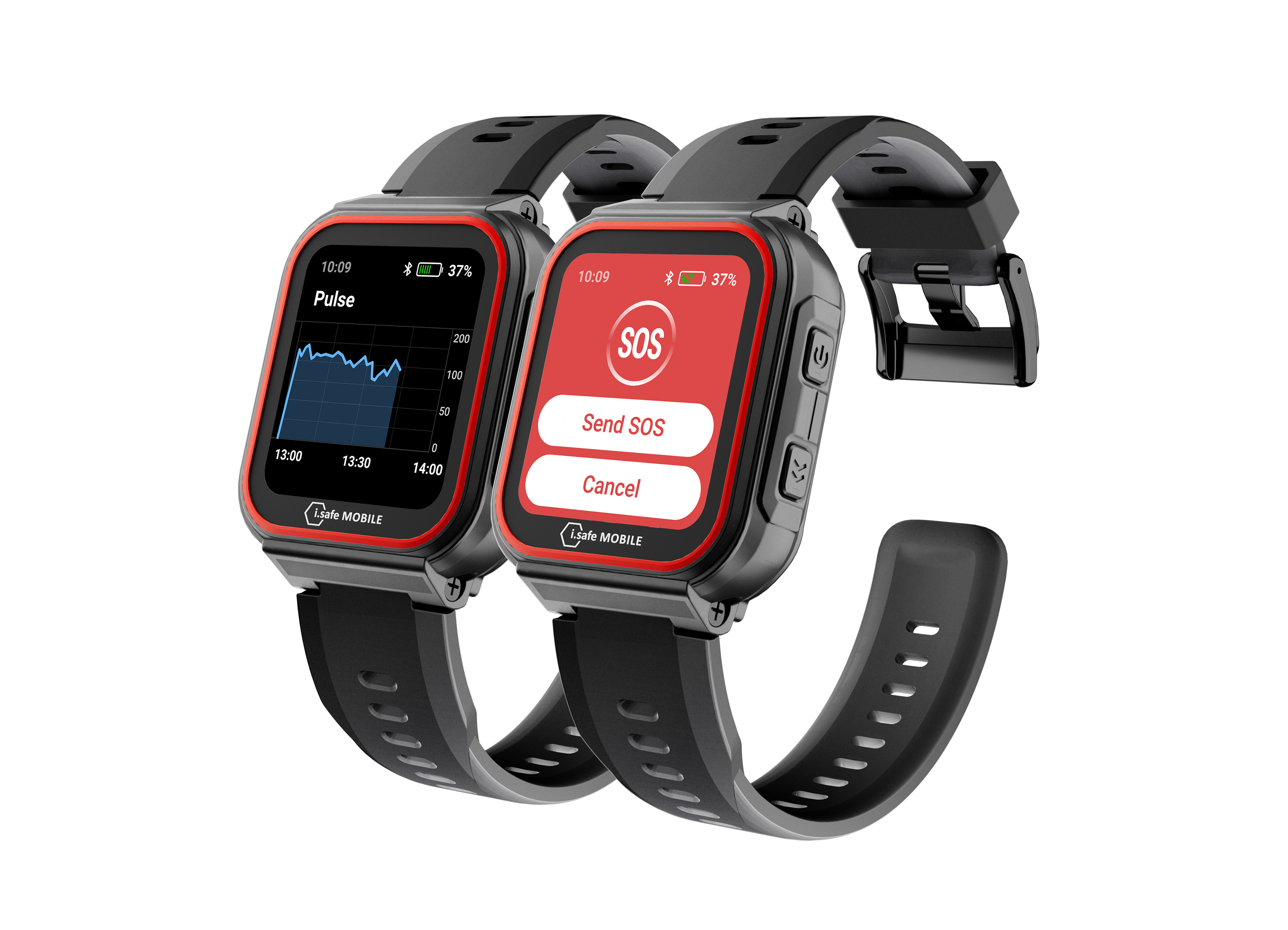
The IS-SW1.1 smartwatch, certified for Zone 1/21, is worn on the wrist and continuously monitors physiological parameters, providing real-time vital data that supervisors can track remotely. Heart rate, movement patterns and alarm triggers give safety teams the situational awareness they need, without relying on workers to actively report incidents. In high-noise or high-risk situations, that difference can be decisive.
The smartwatch also serves as a discreet alert channel. Workers can trigger man-down alarms or no-movement alerts automatically, without reaching for a handheld device. The wearable form factor means it integrates naturally into existing workflows, without adding complexity or distraction.
Three devices, one coherent approach
The IS440.1 is a 5G radio certified for Zone 1/21, running on ISM-OS 14, i.safe MOBILE's own Android-based platform specifically tailored for hazardous environments. It ensures secure and failure-free PoC communication via public or campus networks, whether over 4G, 5G or Wi-Fi®. A gateway makes the IS440.1 interoperable with previous radio technologies, enabling seamless integration into existing communication infrastructures without replacing what is already in place.
The IS540.1 is a ATEX-certified 5G smartphone for Zone 1/21, designed for communication, documentation and system access in demanding field environments. The 5G IS940.1 adds a full 10.1-inch tablet form factor, suited for scanning-intensive workflows and more demanding field operations. Both integrate seamlessly with enterprise mobility management systems and existing backend infrastructure, making them a practical choice for organisations that need to build on what they already have.
What makes this combination compelling as a worker safety ecosystem is not a fixed system architecture, but the way these independently certified devices complement each other in practice. Real-time data flows between the smartwatch, the tablet, smartphone, 5G radio and backend monitoring platforms, giving organisations a coherent picture of their workforce in hazardous areas.
Safety as a system, not a feature
Lone worker protection, emergency communication and compliance documentation are often managed as separate solutions in industrial environments. A thoughtfully assembled
combination of Zone 1/21-certified devices, such as the ones described here, can bring these functions together without requiring a proprietary closed system. That flexibility reduces integration effort, lowers total cost of ownership and, crucially, removes the gaps between solutions where incidents can go undetected.
For safety managers, such an ecosystem provides the oversight and traceability that modern hazardous-area operations demand. For workers, it means carrying devices that are reliable, intuitive and built for where they actually work. The right devices, chosen with care, can make the difference.
