News

Designed for Explosive Atmospheres

ec27504a bf2b 4feb bd07 602212a12a02

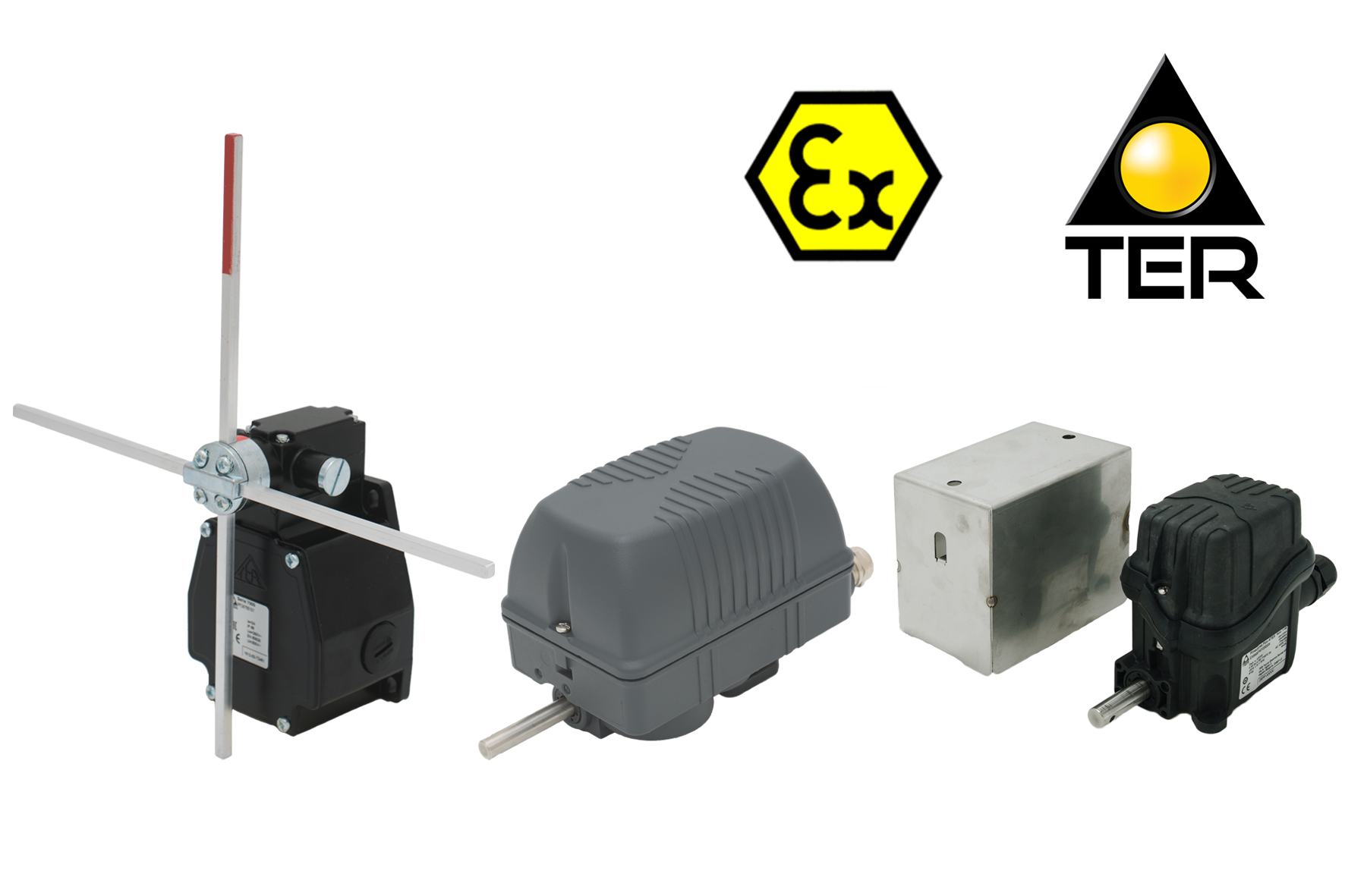
TER Tecno Elettrica Ravasi’s FOX, TOP and 7551-7552 limit switch series are now available with ATEX certification, ensuring maximum reliability and safety even in potentially explosive atmospheres.

In the industrial automation sector, control and safety devices play a crucial role, especially in environments classified as explosion-risk areas. Among these, TER Tecno Elettrica Ravasi limit switches represent a reliable and versatile solution for monitoring the position and movement of machinery with rotating parts, lifting systems and other industrial equipment.
When used in hazardous environments, these devices must comply with strict regulations such as the ATEX Directive 2004/34/EU.

What is a limit switch?

A limit switch is an electromechanical device designed to detect the position of moving components by activating or deactivating electrical contacts when predefined positions are reached. This makes it ideal for applications such as:

  • slowing-down, stopping and end-of-travel control functions,
  • position and speed monitoring,
  • automatic management of industrial cycles.

ATEX Certification: Safety in Hazardous Areas

The ATEX certification obtained by TER for the FOX, TOP and 7551-7552 products confirms their suitability for operation in potentially explosive atmospheres caused by the presence of combustible gases or dusts.

ATEX Zones for Gas, Dust and Mining Applications

  • Zone 2 (Gas): area where the presence of an explosive atmosphere is unlikely and, if it occurs, persists only for a short period.
  • Zone 22 (Dust): area where the presence of combustible dust in hazardous concentrations is rare and temporary.
  • Mining applications: IM2 category equipment intended for underground mines where firedamp (methane) and combustible dust may be present.

In addition to standard industrial environments, ATEX limit switches are also used in the mining sector, where operating conditions are even more critical.

The IM2 classification identifies equipment intended for underground mining applications with the presence of firedamp (methane) and combustible dust.

Main Features of FOX, TOP and 7551-7552 ATEX limit switches

The ATEX-certified limit switch series for Zone 2, Zone 22 and IM2 applications generally includes the following features:

  • robust housing made of metal alloy or reinforced technopolymer,
  • high degree of protection,
  • highly reliable electrical contacts,
  • corrosion-resistant components,
  • multiple certifications for gas, dust and mining applications.

Operational Advantages

The adoption of the ATEX-certified FOX, TOP and 7551-7552 series provides several benefits:

  • Safety: prevention of explosion risks.
  • Reliability: continuous operation even in harsh conditions.
  • Versatility: suitability for different sectors including chemical, food processing, energy and mining.
  • Reduced maintenance: thanks to robust and durable construction.

Fields of Application

These devices are used in:

  • oil & gas plants,
  • chemical and petrochemical plants,
  • silos and grain processing facilities,
  • cement plants,
  • power generation plants,
  • underground mines,
  • material handling systems,
  • lifting equipment,
  • mobile power supply systems.

Conclusion

The ATEX certification issued to TER by ConformEX represents an important recognition of the quality, reliability and safety of its products intended for hazardous environments.

This achievement confirms the company’s continuous commitment to compliance with international standards (IEC EN) and to the development of technologically advanced solutions capable of ensuring high safety standards for operators and industrial plants.

Thanks to these certifications, the company further strengthens its market position as a competent and reliable partner for all industries where safety is an essential requirement.
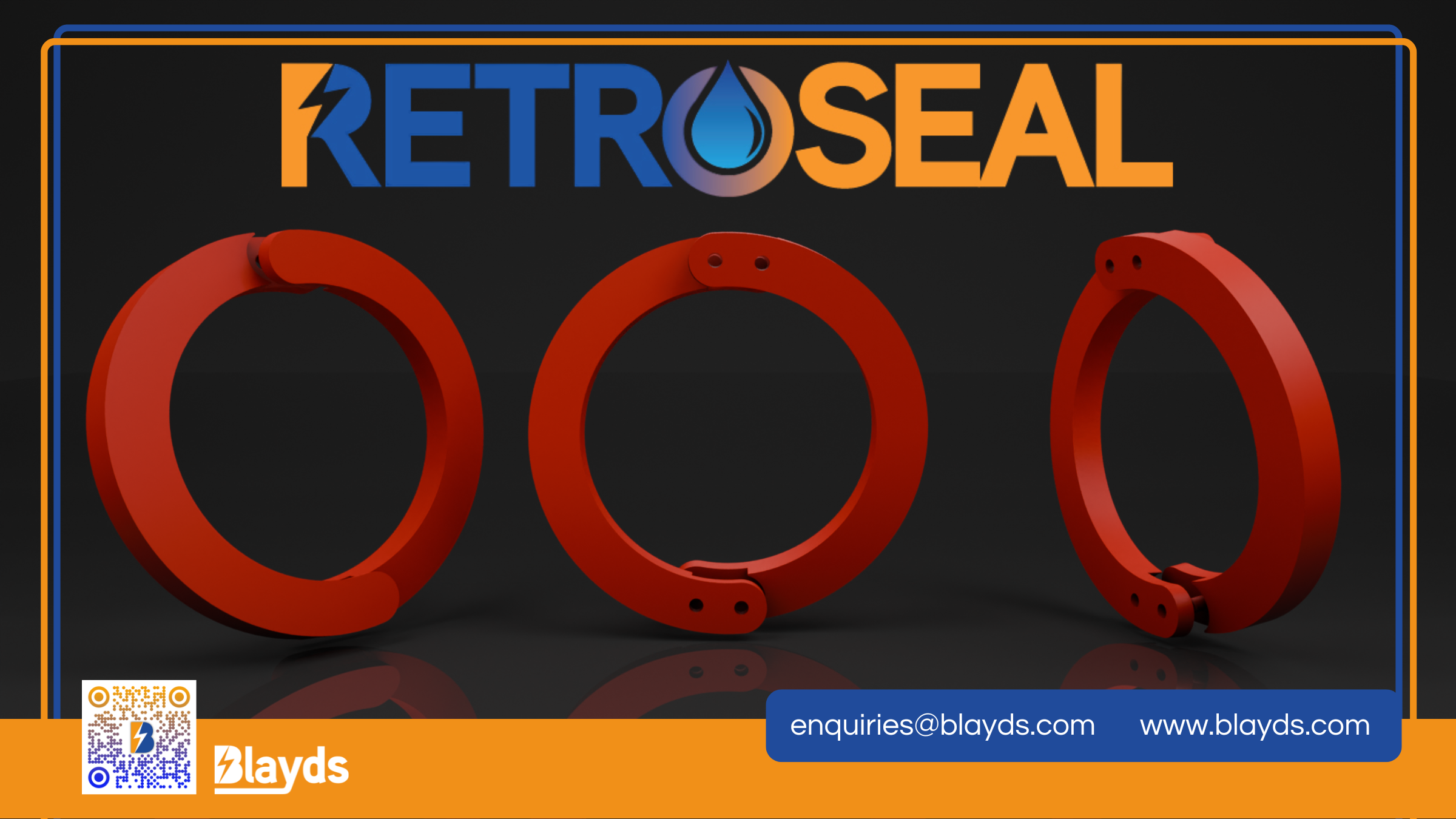

RetroSeal® Delivers Fast IP66/7 Restoration for Hazardous Area Cable Glands

A cable glands ability to offer Ingress Protection against water and dust is only as good as its sealing washer. Most cable glands, if fitted without a washer or if the washer is damaged, offer only IP54 protection at best. In Hazardous Areas, where IP66/7 is often the required protection level, missing or damaged washers can cause serious issues.

The RetroSeal® split Ingress Protection (IP) washer enables fast, effective retrofitting of missing, damaged, or degraded seals on existing cable gland installations—without the need to dismantle the gland or disconnect the cable.

Its innovative 2-part design allows installation in situ, significantly simplifying maintenance in live or critical systems. Independently tested to IP66/7, RetroSeal® delivers a reliable, long-term seal at the equipment-to-gland interface, ensuring continued protection in demanding industrial and hazardous environments. By eliminating full gland removal, RetroSeal® dramatically reduces labour time, material usage, and manpower requirements. The result is a highly cost-effective maintenance solution that minimises downtime and operational disruption. In live or critical systems disconnecting and re-terminating cables can introduce unnecessary hazards and extended outages. The RetroSeal® split washer eliminates this requirement, allowing technicians to restore or upgrade the IP seal quickly and safely, even on fully installed glands.

Manufactured from UV- and ozone resistant materials and available in a range of sizes from M20 to M63, RetroSeal® provides a robust, rapid sealing solution for both planned maintenance and urgent repairs.

  • Reduced Labor: Repairs are completed faster without the need to remove or re-terminate and test cables.
  • Lower Downtime: Quick installation minimizes process interruptions & downtime.
  • No Material Waste: The design allows for the reuse of existing cable glands.
  • Efficiency: The 2-part split design features a simple, fast, and secure installation method, rated to IP66/7.

To learn more, visit our website at www.blayds.com or email This email address is being protected from spambots. You need JavaScript enabled to view it. to request a free sample.

EEMUA welcomes Johnson Matthey as a Corporate Member

Johnson Matthey logo

The Engineering Equipment and Materials Users Association (EEMUA) is pleased to announce that Johnson Matthey has joined the Association as a corporate member.

Johnson Matthey is a global leader in speciality chemicals and sustainable technologies, operating advanced manufacturing facilities across multiple countries. With a long-standing commitment to innovation, engineering excellence, and the development of solutions that support the transition to a more sustainable future, the company brings expertise that aligns strongly with EEMUA’s mission.

EEMUA exists to help users of engineering equipment improve their safety, efficiency, regulatory compliance and bottom line. The addition of Johnson Matthey strengthens the Association’s diverse membership base and supports its goal of bringing together engineers from a wide range of sectors to share experiences, learn, and solve problems.

Welcoming the organisation’s newest member, EEMUA Chief Executive Stefan Kukula said: “We are delighted to welcome Johnson Matthey into EEMUA. Their global perspective, technical capability, and commitment to sustainable industrial operations will enrich our community and contribute to the shared learning that sits at the heart of EEMUA’s work.”

Muhammad Ahsan Arshad, Johnson Matthey Asset Integrity Lead commented: “We are delighted to join EEMUA as a corporate member. This partnership reflects our commitment to engineering excellence and continuous improvement. Through EEMUA, we look forward to advancing capability development across our teams, standardising engineering practices, and contributing to a shared industry agenda. Access to a collective knowledge base and collaborative learning opportunities will strengthen our organisation and help us deliver safer, more efficient operations.”

As a corporate member, Johnson Matthey will have access to EEMUA’s full suite of resources, including specialist committees, technical publications, competency-based training, and opportunities to participate in cross-industry initiatives. The company’s involvement will support the development of good practice across sectors while enabling Johnson Matthey’s engineers to engage with peers facing similar operational and regulatory demands.

EEMUA looks forward to Johnson Matthey’s active participation in the Association and to the benefits this involvement will bring, strengthening EEMUA’s collective expertise while supporting Johnson Matthey in its ongoing drive for safe, reliable, and efficient operations worldwide.

www.eemua.org


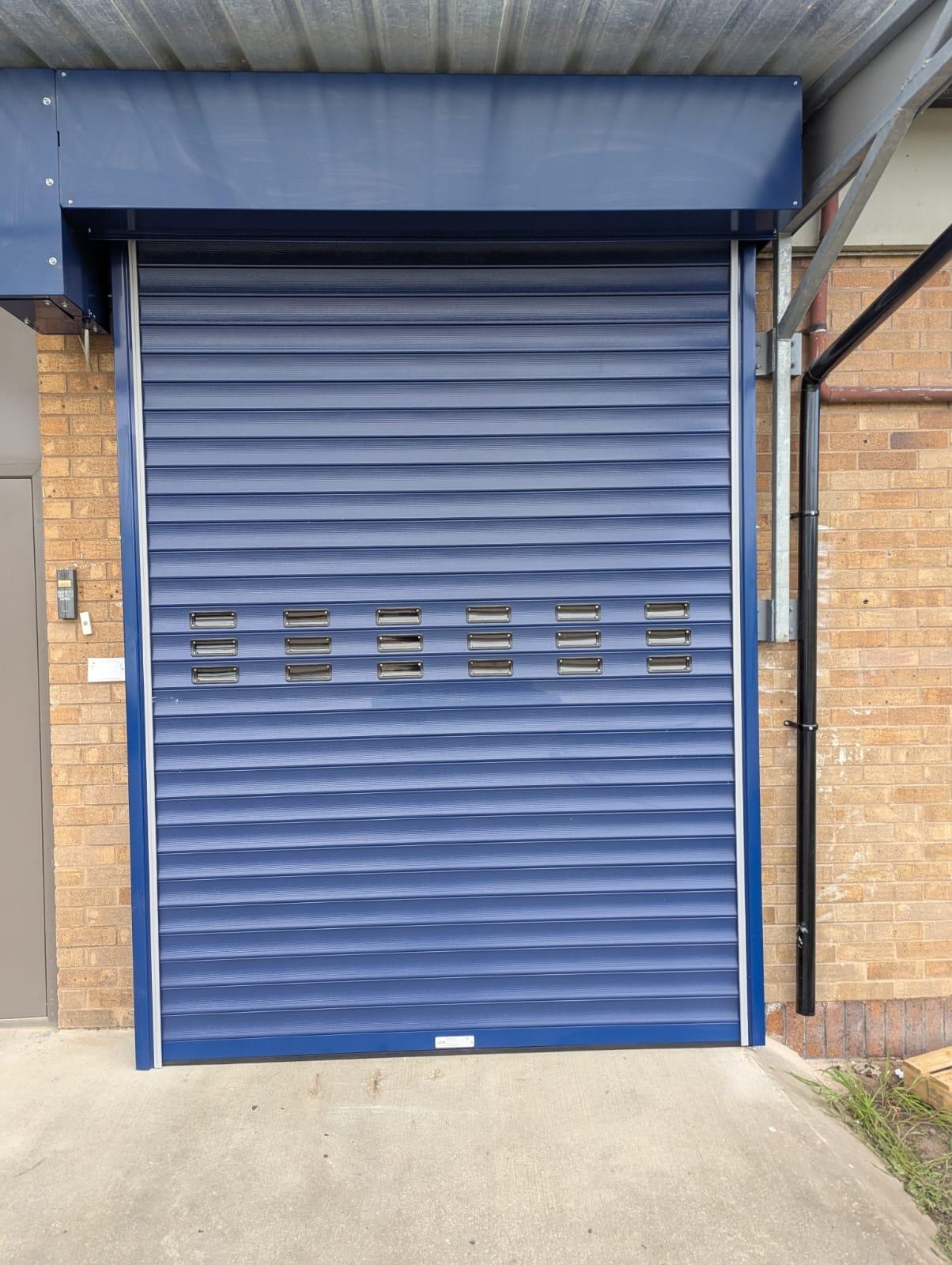
Hart Door Systems and its assault on sea salt

nick.jpeg

Nick’s recent Scottish travels took him to sites where issues ranged from extreme wind to exposure to corrosive atmosphere, from Inverary, to Fort William; from John O’Groats to Oban, from Orkney to Inverness to name just a few destinations.

Being an island under the general heading of the ‘British Isles’ much land faces sea. The result is much economic activity depends on access to the sea which brings with it wind load challenges and the corrosive impact of salt itself writes Chris Dobson.

A recent tour of UK locations which feature Hart doors showed that five sites were exposed to highly corrosive atmospheres as well as extreme wind. Under these circumstances doors have to withstand wind up to 1250 pascals. It should be noted that Hart is capable to facing global challenges. As an example a block of flats in Hong Kong has Hart doors with no failures in six years.

Returning to the impact of salt from nearby seas, there are problems for industry caused mainly by accelerating corrosion and damaging equipment.

Salt-laden air near coastlines carries chloride ions, which are highly corrosive to metals. When these ions settle on industrial equipment, they can accelerate corrosion by making moisture more conductive, speeding up electrochemical reactions that rust metal.

Further the breakdown of protective oxide layers on metals like steel and stainless steel can lead to pitting and structural weakening. Typically the electrical infrastructure can be damaged with switchgear and transformers degrading faster in coastal environments.

Electricity distribution equipment corrodes more quickly, reducing lifespan and increasing maintenance costs and in general threatening reliability.

Even concrete structures can be affected by chloride ions which penetrate concrete and corrode internal steel reinforcement. To avoid this, protective coatings such as marine‑grade paints can assist, polymer coatings, galvanisation) to isolate metal from salt exposure.

The key message is all main access to buildings should be protected by automatic door systems such as Harts insulated rolling shutter doors manufactured in the UK. As the longest established British manufacturer of high-speed insulated roller shutters, Hart offers a range of reliable custom insulated shutters suited to specific requirements. Hart has a wide selection of lath profiles recommended for temperature control.  

After a recent, intensive tour of projects in Scotland, Nick Hart, Hart’s managing director, gives a detailed insight into the issues faced as result of sea salt. “Yes the electrical equipment is one area which is cause for concern in a saline environments but equal consideration should be made to the materials the doors is made from and particularly the effects of galvanic corrosion when two dissimilar metals are in contact with one another, which accelerates the corrosion of one of the components.,” says Nick.

“ We have reviewed the entire design of the doors that are destined to be installed in such an environments and create isolating barriers between the different metals to slow down any potential corrosion, as well as using corrosion resistant materials, i.e. stainless steel and non-metallic materials where possible, special bearings and protective coatings. This approach gives the customer the best door solution for what is a very difficult corrosive environment.”

Wind loading is another important factor. Mr Hart says; “Our approach is based on BSEN12424 details wind-class of doors and how to test them. It categorised wind class from 0 to 5, 5 being the most onerous and the door sample needing to survive a pressure of above 1000Pa + 25%, i.e. over 1250Pa”.

Mr Hart adds; “As we know wind class 5 rating is not adequate for many installations throughout the UK, especially in coastal locations. As a result we designed a new type of roller shutter that is capable of surviving much larger forces and build an 8meter wide test rig and tested door sample to 3000Pa and 4000Pa plus 25%, that is door samples tested to 3750Pa and 5000Pa pressure levels respectively.

“This is a industry first and as a result we have successfully sold Typhoon roller shutters in areas that annually experience extreme wind conditions, which include Hong Kong where we have supplied these doors onto the Hong Kong airport and on high rise buildings up to the 19th floor.”

www.harts.com


Connected safety: Why ownership and integration matter

In high-risk industrial environments, safety depends on visibility. Knowing where workers are, understanding the conditions they are operating in, and responding quickly when something goes wrong are fundamental to protecting people and maintaining operational integrity.

Today, connected technologies are transforming how organisations achieve this visibility. Gas detectors, wearable devices and monitoring platforms can provide real-time insights into worker safety, enabling faster decision-making and more proactive risk management.

As connected safety becomes more widely adopted, organisations are increasingly considering how these systems fit within their existing operations. Connected safety solutions can be broadly understood through two approaches: outsourced monitoring services and integrated safety ecosystems.

Two approaches to connected safety

Connected safety solutions typically follow one of two approaches.

The first relies on outsourced monitoring services. In this model, alerts and worker status updates are routed to an external monitoring centre that operates around the clock. When an incident occurs, third-party agents review the alert and escalate the issue if necessary.

The second approach centres on integrated safety ecosystems. Here, connected devices feed data directly into a unified platform used by the organisation’s own safety team. Alerts, reporting and insights remain within the company’s operational structure, supporting alignment with existing processes.

Both approaches aim to improve worker protection, but they are suited to different operational needs. For example, outsourced monitoring can support organisations without dedicated in-house safety teams to manage alerts at all hours or, equally, those with in-house teams working standard business hours. While integrated approaches enable organisations that have round-the-clock safety teams to handle alerts internally within their existing workflows.

Why integration and access matter

Safety teams not only respond to incidents, but also work to understand why they occur and how they can be prevented. This understanding can improve significantly with access to accurate, comprehensive data and the ability to analyse it within the context of daily operations, regardless of how alerts are managed.

It is important to consider where safety data is stored, how it is accessed, and who should act on it. Different models support different organisational needs. For example, outsourced monitoring can provide reassurance for smaller teams, while integrated approaches may suit larger organisations that can manage safety processes in-house at all hours.

An integrated approach enables safety teams to maintain direct access to the information that matters most. By connecting detection devices with safety management platforms, organisations can help keep alerts, worker data and operational insights are readily available within their existing workflows.

Each approach offers different advantages depending on how safety is managed within the organisation. Where integrated systems are in place, safety teams can access and use data within their existing workflows, supporting a more proactive approach to safety management. This enables organisations to 

analyse patterns in exposure, identify emerging risks and refine safety procedures before problems escalate.

From monitoring to safety leadership

As industrial environments become more complex, the role of safety leaders is evolving. Today’s safety teams are expected not only to respond to alarms but also to shape strategies that prevent incidents altogether.

Systems that provide a complete view of safety performance across sites and operations can help safety leaders achieve these goals. Detection technologies, monitoring platforms and reporting tools can work together to create a single source of truth that supports faster, better-informed decisions.

For this reason, many organisations are moving towards integrated safety ecosystems rather than relying solely on standalone devices or external monitoring services. When detection technologies are designed to work within a broader safety platform, they become part of a connected system that supports both immediate protection and long-term safety improvement.

Supporting the next generation of Gas Detection

For industries operating in high-risk environments, such as entering confined spaces, gas detection remains a key component of this ecosystem. Workers need reliable instruments capable of identifying hazards while also feeding data into the wider safety strategy.

Modern gas detection technologies are increasingly designed with this integration in mind. By connecting detection devices with safety management platforms, organisations can gain real-time visibility into worker status and environmental conditions while also capturing valuable data for reporting and continuous improvement.

Solutions such as the ALTAIR io® 6 Multi Gas Detector from MSA Safety are designed to support this ecosystem-led approach. By combining advanced multi-gas detection with seamless integration into connected safety platforms, organisations can enhance worker protection while maintaining control of their data and supporting compliance within existing safety processes. *

Looking ahead

Connected safety is not simply about adding new technology to the workplace. It is about building systems that give organisations the insight and flexibility needed to protect workers effectively.

As connected technologies continue to evolve, organisations will gain the greatest value from solutions that integrate easily into their operations, support streamlined compliance processes and accountability, and provide clear, actionable insights to the teams who help keep people safe.

To explore how integrated gas detection can support a connected safety ecosystem, discover more about the ALTAIR io® 6 Multi Gas Detector and the wider connected safety solutions from MSA.

*ALTAIR io® is a  trademark of MSA Technology, LLC or its affiliates/ subsidiaries; registered in the U.S. and other countries and regions

Comprehensive Auto-ID portfolio from Pepperl+Fuchs

Auto-ID, automatic identification and data capture, has become an integral part of modern industrial life. This technology makes numerous processes more efficient and simplifies tasks for workers. Pepperl+Fuchs offers a comprehensive portfolio of solutions for these duties, suitable for a wide range of application scenarios.

Data forms the basis for all kinds of processes. However, these must correctly recognize and record the corresponding codes so that data can be further processed. Common technologies for data collection used in Auto-ID include barcodes, QR codes, RFID, magnetic strips, and biometrics. The most common areas of application in the industrial environment include inventory management, delivery tracking, component identification, and order picking. Auto-ID increases efficiency, minimizes errors, and automates processes.

The way it works is that an object is provided with a code that is not always visible to the human eye but can be read by a device. A barcode scanner or RFID reader, for example, automatically reads this code. The information is hence recorded, transmitted, and made immediately available for further processing, analysis, or process control.

Software solution for simple scanning tasks

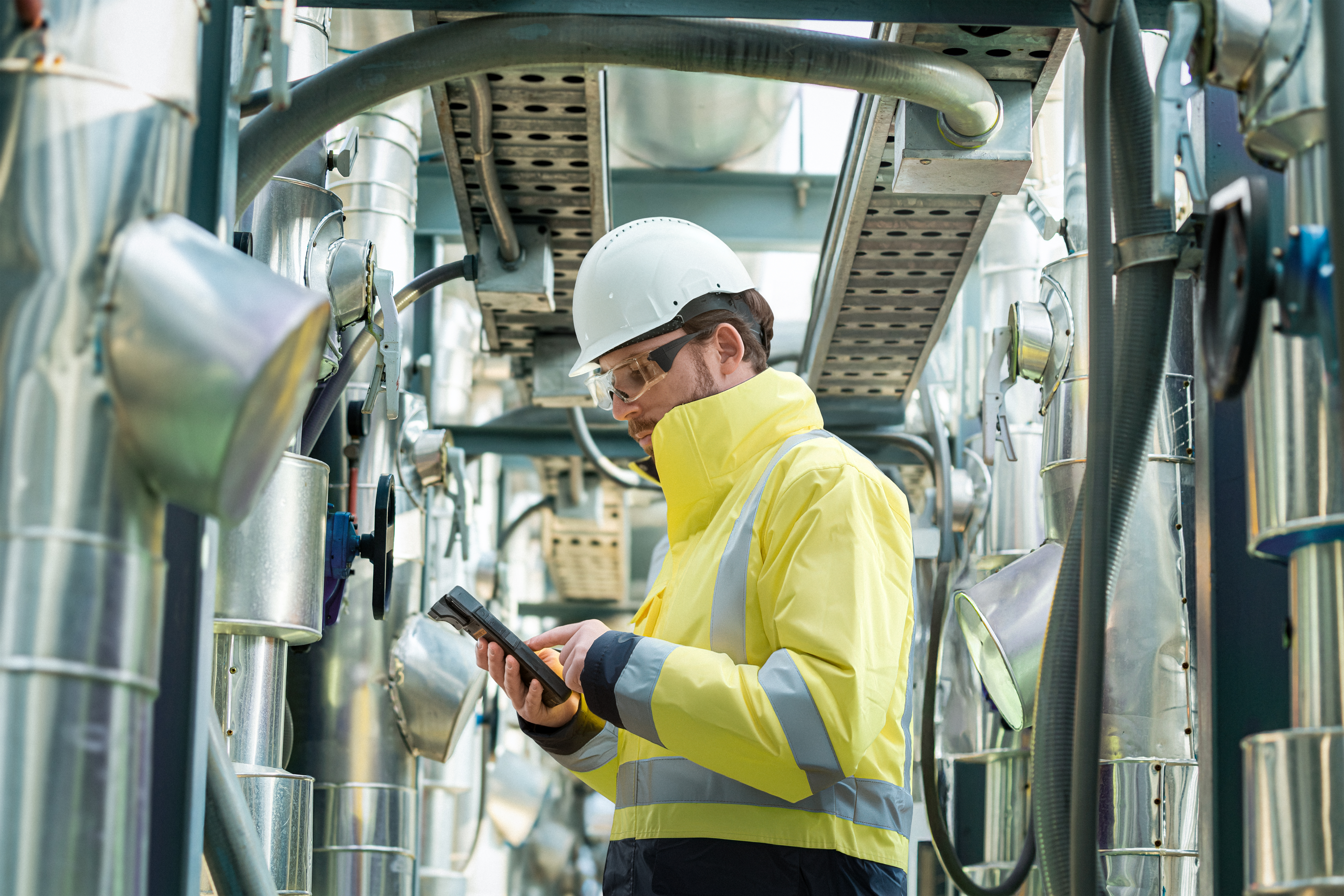
With the eBARCODE-ML app, Pepperl+Fuchs offers a powerful software solution for scanning tasks on its mobile devices. Depending on the certification of the mobile device on which the app is installed, it can be used in environments up to Zone 1 / DIV 1. It can read virtually all types of barcodes and decode them offline. Its accuracy is comparable to that of integrated scanner modules. The app captures barcodes at a maximum distance of 50 centimeters.

Scanner snap-on for the Smart-Ex® 203

The SM-Ex S203 SR scanner module for the new Zone 2 smartphone Smart-Ex® 203 is a hardware solution designed for demanding scanning tasks in Zone 2 / DIV 2. It can be quickly and easily attached via the innovative accessory interface and transforms the smartphone into a convenient 1D/2D scanner.

The module features a hardware aimer that uses an LED to indicate the area the device is aligned with. This enables precise alignment with the barcode to be read, even in low light areas. The module also allows damaged or poorly legible barcodes to be read reliably.

The Smart-Ex® 203 features Android 14, a cutting-edge operating system that optimally supports the latest communication standards. The pending Android Enterprise Recommended and Google ARCore certification make the smartphone ideally suited for demanding augmented reality applications such as remote support, training and other company-specific tools. Additional features include a fingerprint sensor that allows unlocking without entering a code, thus enabling biometrically supported multi-factor authentication for maximum security. In addition, the smartphone has a rear camera with 48 megapixels, an autofocus and an LED flash, as well as a front camera with a resolution of 16 megapixels. The LED can also be conveniently used as a flashlight. The cameras can be used to take not only high-quality pictures but also videos in full HD resolution.

Professional scanner for the most demanding requirements

The Ident-Ex® 02 handheld scanner is available in four different versions to meet a wide range of high-level scanning requirements. The Pocket model is a small, handy scanner that fits in your pocket, whereas the Grip and Grip+ models come with an ergonomic pistol grip. Both Grip models can be upgraded to a Smart Grip using separately available cradles. The cradles allow for the Smart-Ex® 03 and Smart-Ex® 203 smartphones to be snapped onto the scanner which then transmits the scanned information directly via Bluetooth to the smartphones. Thanks to its Bluetooth functionality, the Ident-Ex® 02 can also be connected to any other Bluetooth-enabled device. The Pocket variant is the smallest and lightest wireless barcode scanner on the market, certified for use in Zone 1/21 / DIV 1.

Thanks to the 1,430 mAh lithium-ion battery, all variants do not rely on external power sources. This makes the Ident-Ex® 02 more flexible and easier to use. In addition, all configurations can be easily charged via USB-C; the HMI variant Grip+ can even be charged within Zone 1/21 /DIV 1 via the S3/S4 interface of the VisuNet GXP or within Zone 2/22 / DIV 2 via the VisuNet FLX system. For added convenience, the Grip, Grip+, and Smart Grip variants can be charged using a magnetic charging cable. The Ident-Ex® 02 supports all common 1D and 2D symbologies, such as EAN-13, UPC-A, ISBN, Industrial 25, QR Code, DataMatrix, Maxicode, and many others. Bluetooth is supported in the versions Classic and 5.4 LE.

Extensive portfolio for a wide range of application scenarios

Pepperl+Fuchs offers a comprehensive solutions portfolio to meet a wide range of application scenarios for Auto-ID in the industrial sector. From simple scanning tasks that can be implemented with an app as a software solution to the most demanding requirements in hazardous areas, Pepperl+Fuchs solutions cover every conceivable scenario and can be configured to fit any application.

Enerpac E-mover streamlines container spreader maintenance for APM Terminals Spanish Gateways

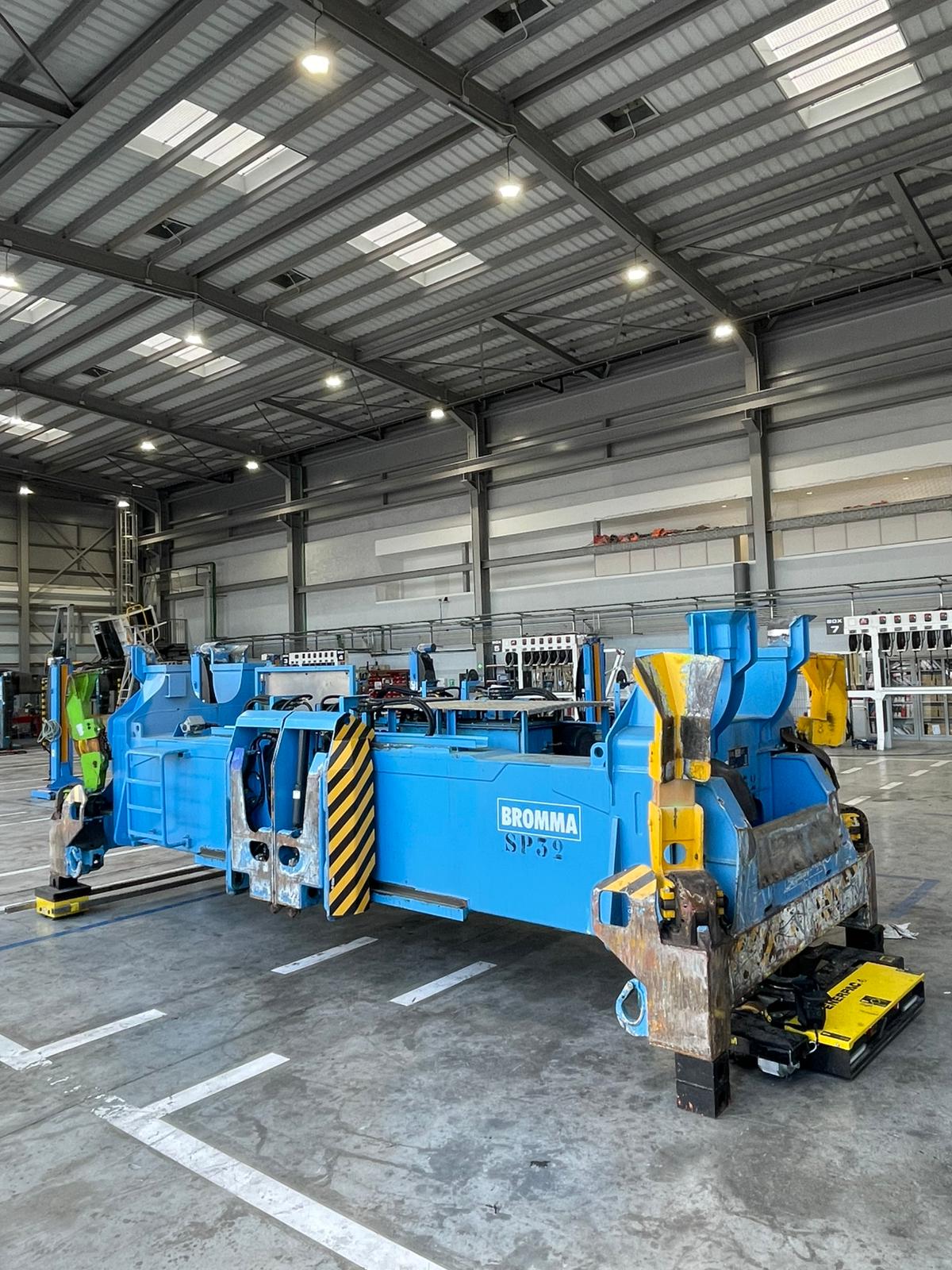
Major global port and container terminal operator, APM Terminals, is using an Enerpac EMV-Series (E-mover) skate for container handling spreader maintenance at its terminal in Valencia, Spain. The wireless operated skate allows APM Terminals to streamline spreader maintenance as well as providing an improved work environment for asset maintenance technicians.
Attached to a port crane, the container handling spreader is a machine designed to lift shipping containers weighing up to 45 tonnes. In the busy APM Terminals Valencia, operating 24/7 and handling up to 1.4 million TEUs (twenty-foot equivalent units) containers each year, efficient maintenance is essential.
Until now, the spreader was maintained outside the terminal’s workshop as there was no easy way of moving the 13 tonnes, 6m long and 2.5m wide tool into the building. Moreover, this meant that only one spreader could be maintained at a time. By using a combination of Enerpac E-mover, equipped with a 50t capacity hydraulic cylinder, and MLS-Series load skates, each container handling spreader is easily lifted and transported into the workshop. In addition to enabling a safer and more pleasant working environment for maintenance technicians, the manoeuvrability of E-mover allows a second spreader to be positioned alongside the first, enabling simultaneous maintenance of both machines.
“The Enerpac E-mover has made a big difference to our container spreader maintenance operations,” says Joan Carbó, Equipment Project Engineer at APM Terminals Valencia. “The ease of deploying and using the E-mover makes maintenance safer and quicker, lifting our safety standards, as well as allowing us to fully optimise the space available in the workshop.”
Enerpac E-mover
Enerpac EMLS/EMV Series battery-powered machine skates are designed for moving heavy machinery in confined spaces. They allow a single operator to safely and remotely position loads of up to 55 tons. E-movers feature dual-drive motors and a 360-degree tilt swivel saddle for ease of manoeuvrability in small areas and around tight corners. Precise control is enabled with the wireless remote-control including two joysticks to advance and steer the load, and variable speed control for changing conditions.
For more information on the Enerpac EMLS/EMV Series battery-powered machine skates,


JCE Delivers Autonomous ATEX Certified Power Solution for Critical Offshore Monitoring Project

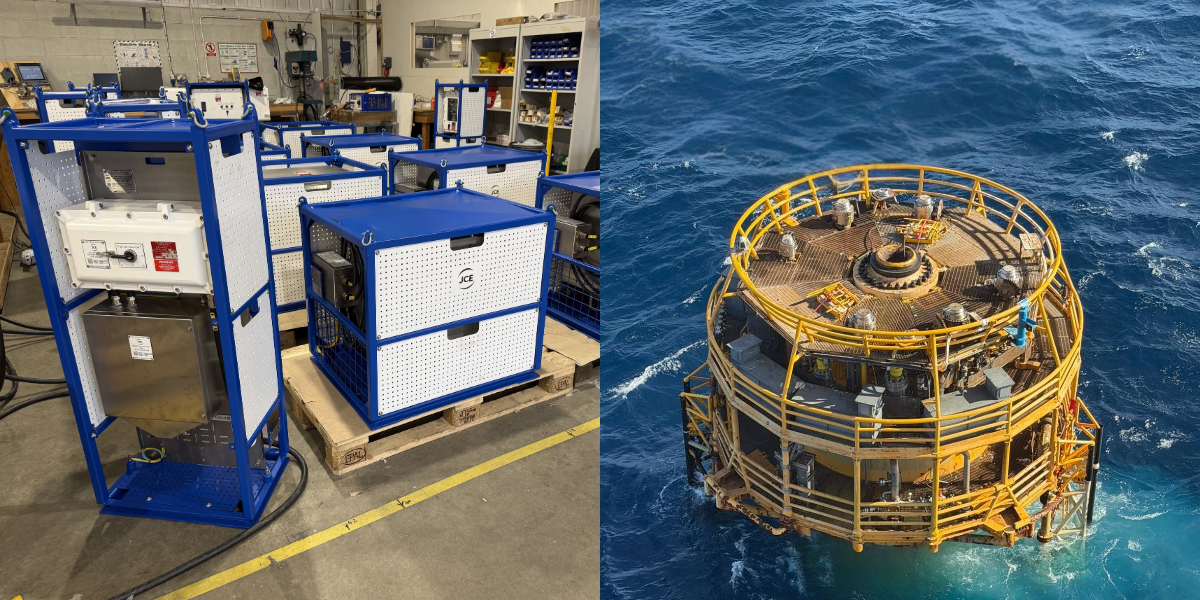
JCE has successfully designed, manufactured, and commissioned a fully ATEX and IECEx certified temporary battery power system to support critical subsea cable monitoring operations at the Okha offshore facility in Western Australia.

Delivered in collaboration with Viper Innovations Ltd, the solution ensured uninterrupted monitoring during a 75 day period when the primary support vessel and its power supply was unavailable due to scheduled maintenance.

Engineered specifically for hazardous offshore environments, the autonomous 48Vdc battery system was designed to operate continuously without recharge while withstanding harsh marine conditions, including high winds, salt spray, and heavy rainfall. Its compact, plug-and-play design enabled rapid deployment within a tight installation window on a floating production structure with restricted space.

The system combined Viper Innovations’ continuous insulation monitoring and early fault detection solution with their self-healing cable technology, V-LIFE, to reduce failure risk and strengthen asset integrity throughout the maintenance period. Despite significant logistical challenges, including remote offshore access and a limited 5–7 day installation window, JCE successfully delivered and commissioned the system on schedule.

The project delivered key operational benefits:

  • Continuous subsea cable integrity monitoring maintained
  • Risk of insulation degradation significantly reduced
  • Fully autonomous operation with no reliance on external power
  • Successful installation within tight offshore time constraints

JCE’s performance was recognised by project stakeholders, including Viper Innovations Ltd and Woodside Energy, highlighting the company’s commitment to delivering high quality engineered solutions under demanding conditions.

This project reinforces JCE’s capability to deliver reliable, hazardous area power solutions for complex offshore applications, ensuring operational continuity even in the most challenging environments.

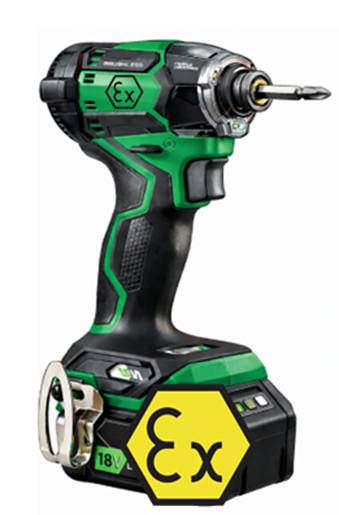
Introducing the next generation of ATEX-certified impact drivers—where safety meets uncompromising performance. Developed by Atexxo

This explosion-proof cordless impact driver is engineered specifically for use in ATEX Zone 2 hazardous environments, delivering reliability without limitations.

ATEX1.jpeg

For More information click here

Certified to ATEX Zone 2 II 3G; Ex ec h ic IIC T4 Gc, this cordless driver combines increased safety concepts with intrinsically safe switching, ensuring full compliance while maintaining the power professionals expect.

Unlike traditional solutions, this battery-powered design eliminates the need for pneumatic tools and hoses, offering unmatched mobility and ease of use. Built on proven industrial platforms and expertly converted for hazardous locations, it preserves all original functionality—now safe for use in explosive gas and vapor environments.

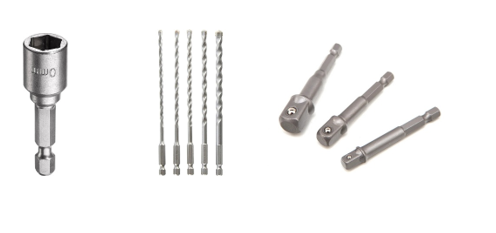
With up to 215 Nm torque, a ¼” hex quick-release system, and a lightweight, compact design, this impact driver is ideal for drilling, fastening, and wrenching across demanding applications such as petrochemical plants, offshore installations, and construction in hazardous areas.

ATEX2.jpeg

Engineered for productivity and durability, it features a modified non-sparking motor, intrinsically safe trigger system, and ATEX-compliant battery technology—ensuring safe operation without compromising performance.

Available as a complete set including body, battery, and charger (230V or 110V), with global delivery and support, this solution sets a new benchmark in explosion-safe cordless power tools.

Because in hazardous environments, safety should never come at the expense of performance.

www.atexxo.com

The Digitalisation of Knowledge and Its Impact on Process Safety

The walls of the DEKRA office are lined with a myriad of books and technical references. Each one contains the distilled knowledge of countless hours of work, yet many will never be opened again. As we move further into the age where all information is expected to be available whenever we so much as request it, I worry that the information trapped within these books and the minds of more senior engineers may fade into obscurity as a new generation of engineers develops.

As someone born in the generational hysteresis between Millennials and Gen-Z, I can just about remember life pre-computer. Phones were bricks, and computers lived in their own room in the house, but even then, the internet was quickly overtaking “traditional media”.

Now, using AI is quickly becoming the default position for many tasks, whether that be drafting a process procedure, producing an advertisement, or rewriting something that was perfectly adequate to begin with. A recent study by the Higher Education Policy Institute states that 94% of university students report using generative AI platforms to produce assessed work. A similar study conducted by MIT found that students who regularly used AI showed less brain activity during writing tasks, even when they were not using AI.

This trajectory suggests that the integration of AI into our lives is no longer optional, but inevitable. As these tools become embedded in everyday workflows, choosing not to use them increasingly equates to accepting reduced efficiency and competitiveness. The expectation is already shifting from whether AI should be used to how well it can be applied.

This reliance introduces a clear risk: as outputs are generated rather than derived, the depth of thinking and understanding behind them diminishes. Over time, this could erode the critical thinking and practical understanding that underpin good engineering practices. This is especially true for process safety, as many standards are locked behind paywalls and proprietary guidance, limiting the reliability of AI-generated outputs. As such, AI operates without access to much of the underlying authoritative material. DEKRA has tested the use of AI for developing hazardous area classifications and found that while outputs may at first appear convincing, they range from technically unsubstantiated to dangerously inadequate. In one instance, AI recommended a large zone 0 surrounding an outdoor pump, which contradicts fundamental ventilation principles, simply because it misinterpreted the wording of the prompt. The issue here is that because they look convincing, someone without sufficient knowledge on the topic could choose not to question any output.

In contrast, traditional literature offers a level of rigour and permanence that remains difficult to replicate. A well-written process safety manual is not simply a repository of information, but a structured body of knowledge which has been developed, reviewed, and refined over time. Unlike AI-generated outputs, which by definition lack transparency in their reasoning, books provide traceability: assumptions are stated, methodologies are justified, and conclusions are grounded in established principles. In process safety, where errors carry significant consequences, this reliability is not a luxury but a legal necessity. This does come with the caveat that, unlike AI, the information in a textbook cannot change. This can lead to situations where critical guidance becomes outdated long before the next revision cycle, creating a widening gap between documented best practice and emerging industry knowledge.

Moreover, engaging with technical literature demands a slower, more deliberate form of thinking. The process of interpreting, questioning, and applying information helps foster a 

deeper understanding than passive consumption. While AI may provide rapid answers, traditional media cultivates the judgment required to assess whether those answers are correct. I would certainly have more faith in the competence of someone who has studied a single book on risk assessment than a person who has spent the same amount of time consuming generated content on it.

Despite these limitations, it is equally important to recognise where AI offers genuine value. It is not limited to generating reports; it also acts as a gateway to knowledge that, only a few decades ago, may have been largely inaccessible. DEKRA has observed a growing client expectation for technical excellence, reflected in the increasing depth and quality of the questions we receive. This shift suggests that the traditional gatekeeping of hazardous area classification as a “black art” confined to specialist texts is no longer acceptable. Under DSEAR, the need for an informed and competent customer is explicit. While AI cannot provide all the answers to make a person competent, it can play a key role in prompting the right questions. This is without even mentioning the wide range of other applications for AI within process safety. From predicting process failure far before any instrument could, to supporting complex scenario modelling that would once have required specialist expertise and days of computing time. These capabilities also demand robust human oversight: without informed review, there is a risk that AIgenerated predictions may be misapplied, misunderstood, or overtrusted in safetycritical environments.

Ultimately, the question is not whether AI or traditional media should prevail, but how the two can coexist without undermining one another. The accessibility and adaptability of AI have the potential to democratise knowledge, breaking down barriers that once confined critical understanding to textbooks and experienced professionals. At the same time, the depth, scrutiny, and reliability of traditional sources remain essential in ensuring that this knowledge is applied correctly.

If the books in our offices are to become less frequently opened, their value must not be diminished, and neither must the expertise required to interpret what they contain. The goal should be not simply to work faster, but to demonstrate and uphold competence. This ensures that, like the invention of the computer itself, AI is used as a companion to rather than a substitute for understanding. In doing so, we avoid a future where information is abundant, but understanding is shallow.

This article was written by a human and reviewed with the assistance of AI.

References:

https://www.hepi.ac.uk/reports/student-generative-ai-survey-2026/

https://arxiv.org/abs/2506.08872