

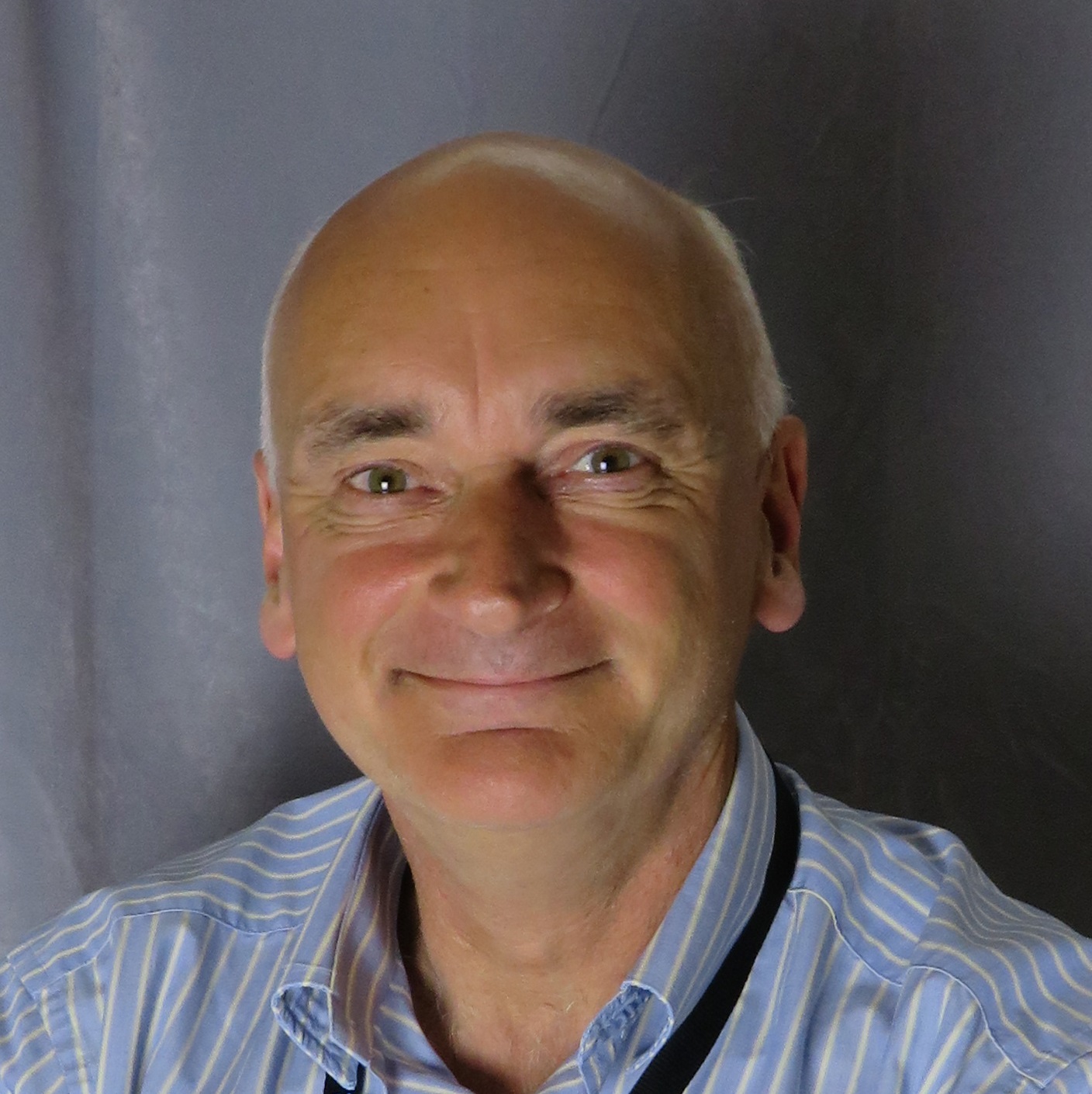
Mike Meen, Technical Director at Bureau Veritas, assesses whether the traditional two-dimensional approach to risk is adequate in today’s complex society, and highlights the importance of organisational maturity and resilience in hazardous environments.
The traditional two-dimensional risk model sees probability weighed up against consequence, predicting the likelihood of a risk occurring and the severity of the outcome. The problem with this model, particularly in potential hazardous environments and industries, is that it undermines the influence and importance of organisational maturity.
The 10th edition of Deloitte’s Global Risk Management Survey found that amongst organisations with mature risk management processes, 66% were more likely to achieve their objectives, and have a 30% lower likelihood of experiencing critical incidents compared to companies with low-risk management maturity. In addition, mature organisations demonstrated stronger regulatory compliance, with 85% of mature organisations reporting fewer regulatory breaches, compared to just 55% of less mature ones.
Since the Deloitte report, McKinsey's 2023 research found only 50% of organisations feel well-prepared to handle external shocks like economic volatility and geopolitical instability, reflecting a significant gap in organisational resilience. Moreover, two-thirds are struggling with complexity and inefficiency in their structures, highlighting the need for more agile and mature systems to better manage risks and disruptions.
Plant, Procedures, People
In today’s complex society, where technology and artificial intelligence are becoming as sophisticated as people, many organisations can become too reliant on their equipment.
Industries and plants operating in the chemical, manufacturing, nuclear, or oil and gas sectors work heavily on both physical equipment and control logic – particularly safety and environmentally-critical equipment (SECEs) whose sole purpose is to mitigate a potentially hazardous spill or explosion occurring. Although condition monitoring is now sophisticated on these items, it’s vital that ‘people’ are also considered as an additional layer of consideration, otherwise businesses can open themselves up to that third dimension of risk.
In all industrious environments, employees will have the ability to override the machines and controls in place and launch an essential shutdown. The key is ensuring those employees are trained, competent and prepared.
If a piece of plant equipment malfunctions, the next port of call is the business’ procedures and its people. As such, training is vital.
Embedding resilience into the organisation
It is the environment that a person works in that either supports or inhibits action. It is the application of appropriate processes that prevent or mitigate undesirable events; and ultimately, it is the people and their behaviours that are the source of compliance or ignorance to due process.
Training in risk and resilience doesn’t necessarily mean having to learn about lots of individual elements; it simply means understanding how to be situationally aware.
It’s important to note that organisational maturity cannot be achieved overnight, and isn’t simply the culmination of a set of company rules for employees to follow. It comes from time and investment in navigating each stage of maturity, ensuring operational and process excellence is embedded into the culture of the business.
Bureau Veritas is a leading testing, inspection and certification company offering workplace health and safety consultancy services and training. For further information, please visit https://www.bureauveritas.co.uk/.
