
News
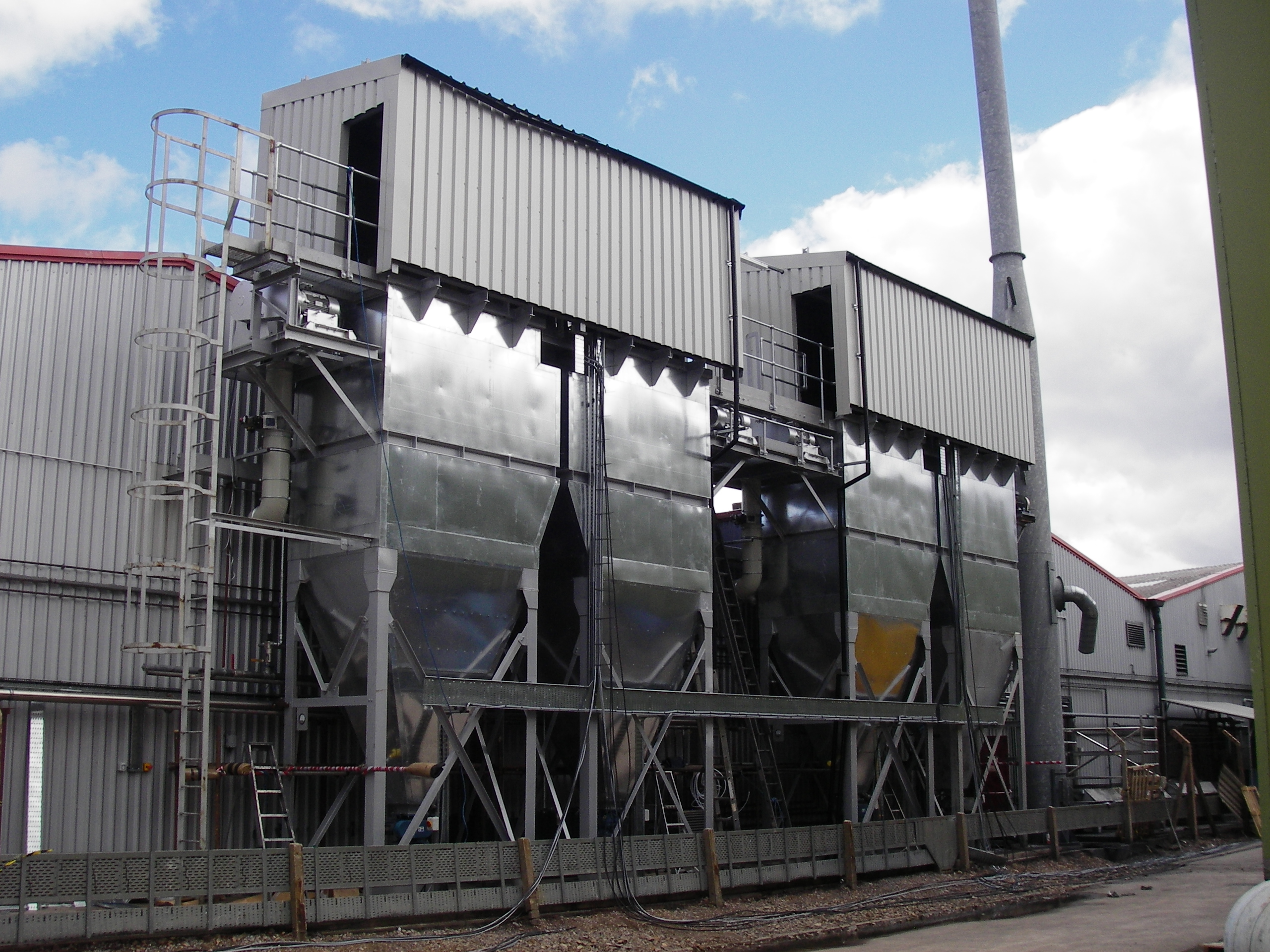
The Hidden Dangers of Process Dust and How to Reduce Exposure On-Site
By Gavin Brute, Technical Sales Engineer at Pennaire Filtration
Dust is one of the most common hazards across manufacturing and chemical processing sites, yet it remains one of the most underestimated. Long-term exposure is linked to occupational asthma, COPD and other irreversible lung conditions, while numerous dusts also carry a combustible risk if allowed to accumulate. Because symptoms of dust-related illness are rarely immediate, the consequences of inadequate control are often only seen years later, making prevention far more valuable than any later remedy.
Effective dust control depends on understanding where dust is generated, not just how it is filtered afterwards. A facility audit, ideally carried out by qualified personnel, can determine average and peak airborne concentrations at key points across a site. This is typically when previously unmonitored dust sources are identified, such as transfer points, mixing operations or material handling areas where extraction either doesn't exist or is poorly positioned relative to the source.
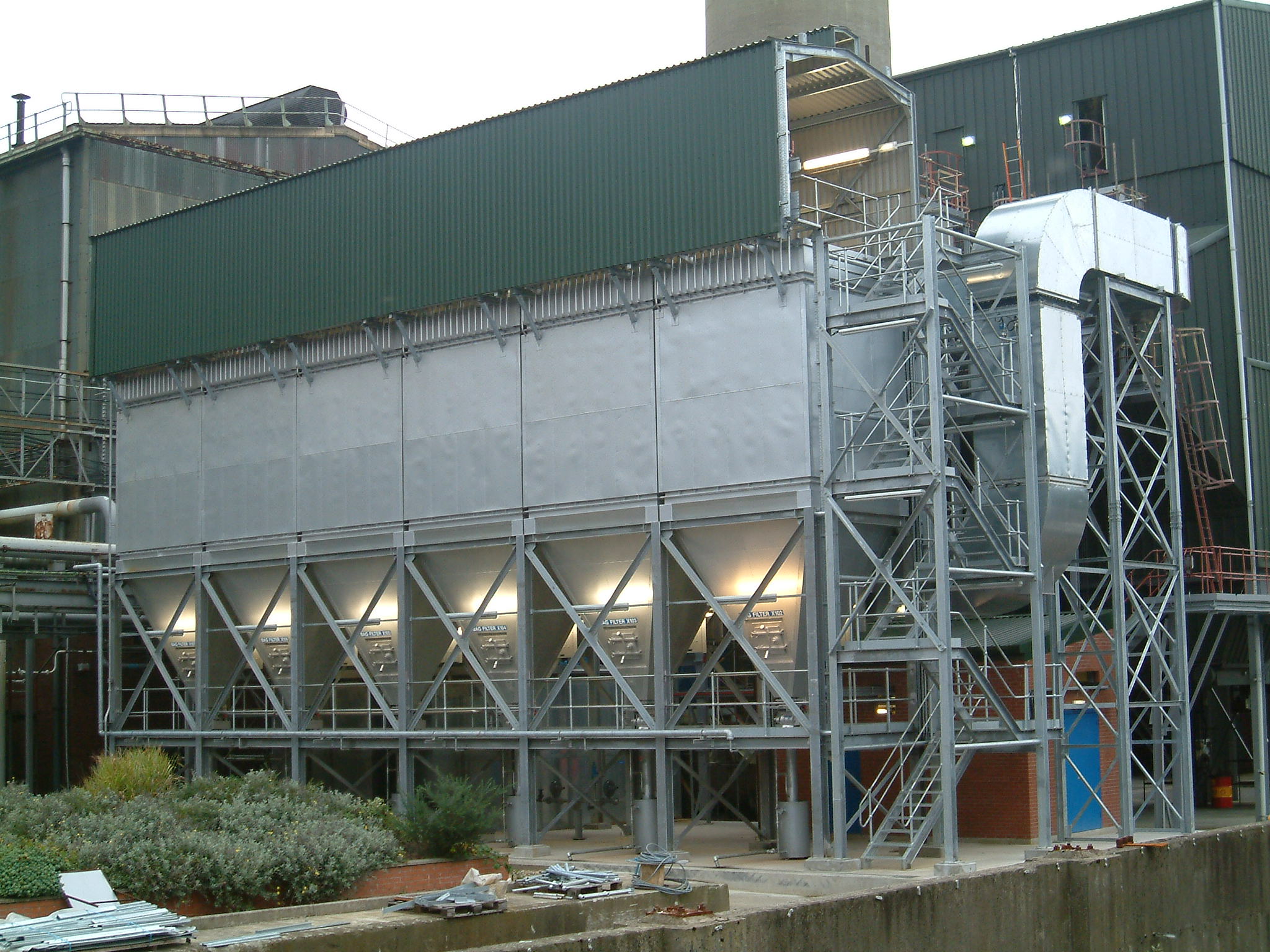
Local exhaust ventilation (LEV) is one of the most effective controls available, but only when correctly designed and located close to the point of dust generation. Hoods positioned too far from the source, or sized incorrectly for the airflow required, or poorly designed are often the main factors where inadequate dust extraction exists. Reviewing existing hood placement against actual dust-generation points is one of the simplest ways to identify gaps in an otherwise established system.
Once exposure points have been addressed, attention should turn to the dust collection technology itself. A dust collector needs to deliver consistent, predictable performance, removing contaminants effectively while maintaining stable airflow. Filter unit type and media selection are central to this. Each application has its own challenges and more efficient choices, with many factors considered when choosing the correct equipment. Dust load, particle size, bulk density, dust properties, operating processes, and many more considerations should be taken into account when designing an effective LEV system.
A competent dust extraction and filtration engineer can specify a system matched to actual dust loads, effective airflows throughout the system, and compliance requirements rather than over- or under-specifying equipment based on assumptions.
The benefits of getting this right extend well beyond compliance. Effective dust control reduces airborne contamination risk during production, supports consistent product quality, and limits downtime caused by system failure or contamination issues. It also protects machinery, contributing to longer equipment life and more stable system performance, while extended filter life supports lower running costs over time.
Approaching dust control as a combination of exposure, filtration efficiency and system longevity gives facilities a far more complete picture of how well their systems are performing and ensures worker health is always at the forefront of their business.
Website: https://www.pennairefiltration.com/
Email: This email address is being protected from spambots. You need JavaScript enabled to view it.
