
News
Why Vacuum Selection Matters in Hazardous Engineering Environments
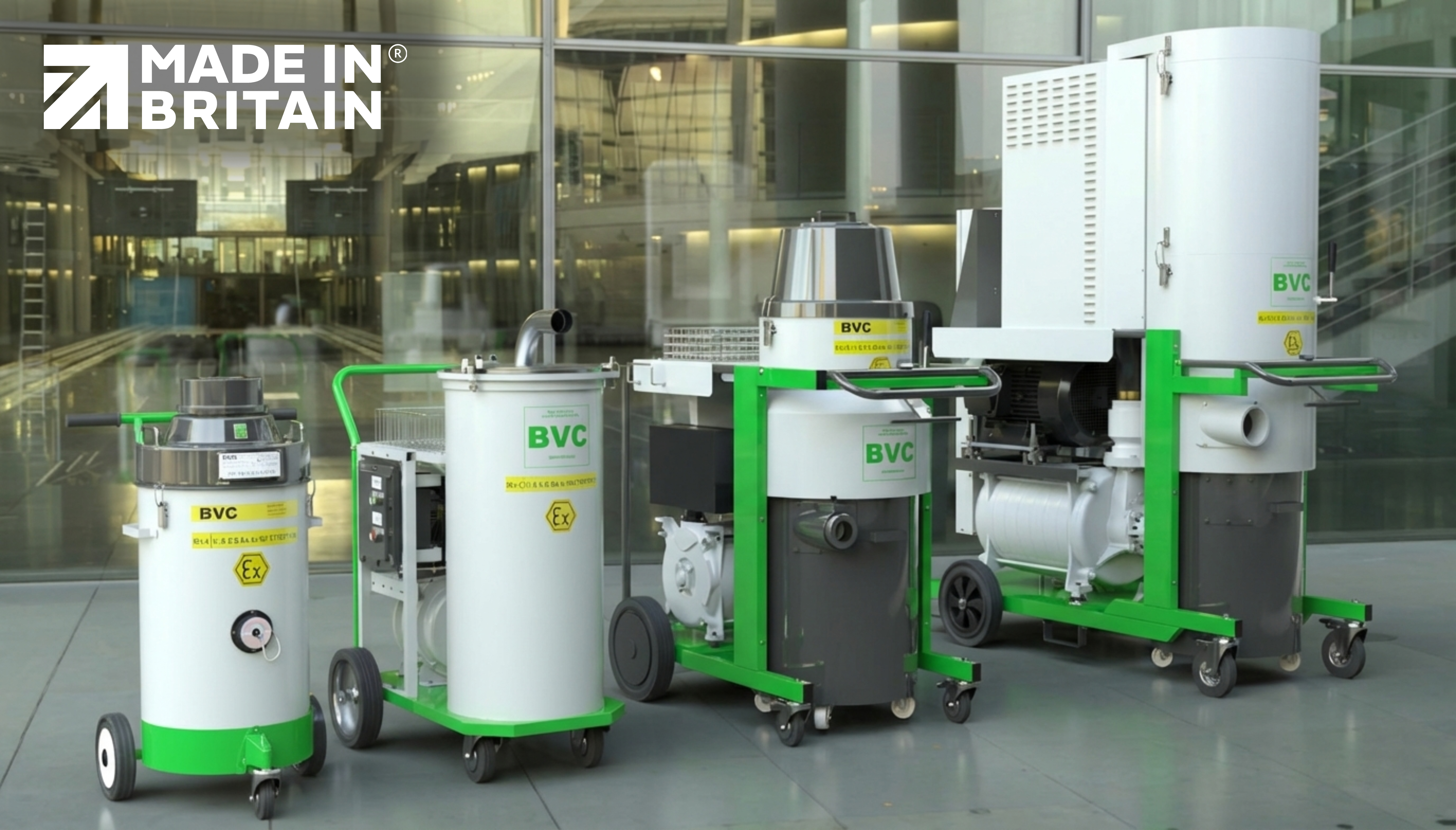
Dust is present in almost every industrial environment. It may be created by production processes, released during material handling, or left behind during maintenance activities. In many cases it is removed using an industrial vacuum cleaner chosen for availability rather than suitability.
In hazardous engineering environments, that choice is critical. Many industrial dusts are harmful when inhaled and a significant number are combustible. Inadequately specified vacuum equipment can allow fine dust to become airborne again, fail to contain hazardous material, or introduce ignition risks in areas where explosive atmospheres may be present. Instead of controlling risk, the wrong equipment can increase it.
Effective dust control begins with understanding the hazard. What material is being collected, how fine it is, whether it presents a health risk, and whether it has explosive potential all influence the correct vacuum specification. The operating environment is equally important, particularly where ATEX zoned areas exist. Once these factors are understood, the vacuum system, filtration, materials of construction and accessories can be specified to match the real risk rather than assumptions.
Engineering a machine for the hazard
BVC – British Vacuum Cleaners – is built by Quirepace in Fareham and supplied as industrial vacuum systems engineered to order. Rather than relying on a fixed catalogue, machines are sized and configured around the application they will operate in and the hazards they must control.
Where dust is hazardous to health, M-Class or H-Class machines are required. Where an explosive atmosphere may occur, ATEX-rated equipment is essential. In many industrial environments both conditions apply, meaning a single vacuum system may need certification for hazardous dust collection while also being suitable for use in ATEX Dust Zone 21 or 22. Some applications may also require suitability for ATEX gas zones.
Filtration plays a central role in risk control. Anti-static filter media and multi-stage filtration ensure hazardous material remains contained and exhaust air is kept clean, protecting operators and preventing secondary contamination.
Quirepace also engineers application-specific solutions, including systems with low-pressure blown air to dislodge compacted deposits, high-level cleaning tools for structural steelwork and services, and integration with process controls so equipment operates automatically with production.
Systems, tools and long-term value
Correct hose sizing and tool selection improve conveying efficiency, reduce blockages and make cleaning more effective. Portable ATEX vacuums offer flexibility, while larger or higher-risk sites may benefit from Central Vacuum Cleaning systems that remove equipment from hazardous areas and centralise maintenance.
Industrial vacuum systems operate in demanding conditions and are relied upon daily. For this reason, whole-life value, reliability and support are often more important than initial purchase price. Treating vacuum cleaning as part of the engineered hazard control strategy leads to safer operations and more robust long-term performance.
BVC Quirepace offers free on site demonstrations of BVC equipment at food factories in the UK. For more information or to discuss your site, contact Quirepace:
T: 023 9260 3700
E: This email address is being protected from spambots. You need JavaScript enabled to view it.
W: www.quirepace.co.uk | www.bvc.co.uk
Mention Hazardous Engineering Solutions when you contact us and we will apply a 5% discount to your first order for BVC industrial vacuum equipment.
