
|
||||||||||||||||||||||||||||||||||||||||||||||||||||||||||||||||||||||||||||||||||||||||||||||||||||||||||||||||||||||||||||||||||||||
|
||||||||||||||||||||||||||||||||||||||||||||||||||||||||||||||||||||||||||||||||||||||||||||||||||||||||||||||||||||||||||||||||||||||
Editorial


|
The International Partnership for Hydrogen and Fuel Cells in the Economy (IPHE) today announced the launch of its H2-DEIA platform at the Hydrogen Americas Summit in Washington D.C., in partnership with the Hydrogen Council. Developed in celebration of IPHE’s 20th anniversary, H2-DEIA is a platform dedicated to advancing diversity, equity, inclusion and accessibility (DEIA) in the rapidly expanding global hydrogen and fuel cell economy. IPHE, a global government partnership between more than 23 countries and the European Commission, is partnering on H2-DEIA with the Hydrogen Council, a global CEO-led initiative comprising nearly 150 industry leaders in hydrogen committed to unlocking hydrogen deployment to accelerate a just transition to net-zero. “This is a proud moment, and diversity, equity, and inclusion are a high priority for South Africa,” said Rebecca Maserumule, the current Chair of IPHE, and Chief Science and Technology Representative-Hydrogen, Department of Science and Innovation of South Africa. “As one of our first activities, we are pleased to launch a pilot mentor-mentee platform under H2-DEIA which will help to link mentors with those interested in hydrogen.” H2-DEIA represents a “new day” in promoting diversity, equity, inclusion, and accessibility – with “DEIA” pronounced as “dee-ah” and aptly translated as “day” in many Latin American regions – hence appropriate for launch at the Hydrogen Americas Summit. “Developing and promoting a diverse talent pool is one of the key prerequisites for moving towards a global and equitable clean hydrogen economy and a sustainable net zero future,” said Daria Nochevnik, Hydrogen Council Director for Policy and Partnerships. Committed to the core values of increasing diverse representation and a culture of inclusion and equity, H2-DEIA brings together global governments, industry, academia, non-profits, and research institutes, as well as investors and the broader stakeholder community, to help shape a skilled and diverse workforce essential to the nascent clean hydrogen industry. Recognizing the importance of assessing workforce needs, including skills and training unique to the field of hydrogen, and enabling fair access and opportunities for under-represented groups, H2-DEIA supports various initiatives, including activities to identify skill gaps and address challenges, and to strengthen recruitment, retention, and advancement of a highly qualified and diverse workforce. “We are pleased to partner with the Hydrogen Council and our government counterparts across the international community,” said IPHE Vice Chair, Dr. Sunita Satyapal. “The H2-DEIA vision strongly aligns with U.S. efforts to ensure our clean energy future is rooted in diversity, equity, and inclusion.” Dr. Satyapal is also director of the U.S. Department of Energy’s Hydrogen and Fuel Cell Technologies Office, and during her term as IPHE chair, she co-founded IPHE’s Early Career Network (ECN), which now has members from 40 countries. The ECN, mentor programs, career development webinars, and more, will be available through the global H2-DEIA website. IPHE’s vision is to help other like-minded organizations connect with these resources. The Hydrogen Council’s Co-Chairs Sanjiv Lamba, CEO of Linde, and Yoshinori Kanehana, Chairman of Kawasaki Heavy Industries, Ltd., have been strong supporters of DEIA principles and the H2-DEIA mechanism to link activities between government and industry through the Hydrogen Council. “Building a diverse hydrogen economy will help deliver a just and sustainable transition to net zero. Together with H2-DEIA we look forward to developing the next generation of hydrogen experts,” said Lamba and Kanehana. “Contribution to sustainable global growth by promoting hydrogen utilization is well recognized at the Hydrogen Energy Ministerial, held in September 2023 and I believe diversity will be a key part of it,” commented Tomohiko Adachi, also a Vice Chair of IPHE, representing the Japanese Government through the Ministry of Economy, Trade, and Industry. In addition, Noe Van Hulst, the outgoing Chair of IPHE and former Chair of the Governing Board of the International Energy Agency, has been a strong champion of DEIA principles. “We envision H2-DEIA as a platform that can be linked with many other initiatives and underscores our collective commitment to creating a workplace that celebrates people of all backgrounds,” said Van Hulst. Laurent Antoni, Executive Director of the IPHE Secretariat, stated “launching of H2-DEIA is fitting for IPHE’s 20th anniversary and demonstrates IPHE’s support to advancing mechanisms to promote a diverse workforce and skills development. Such activities align with IPHE’s Education and Outreach Working Group activities over the years. It’s also appropriate timing for Hydrogen Day, which is celebrated by countries around the world”. |

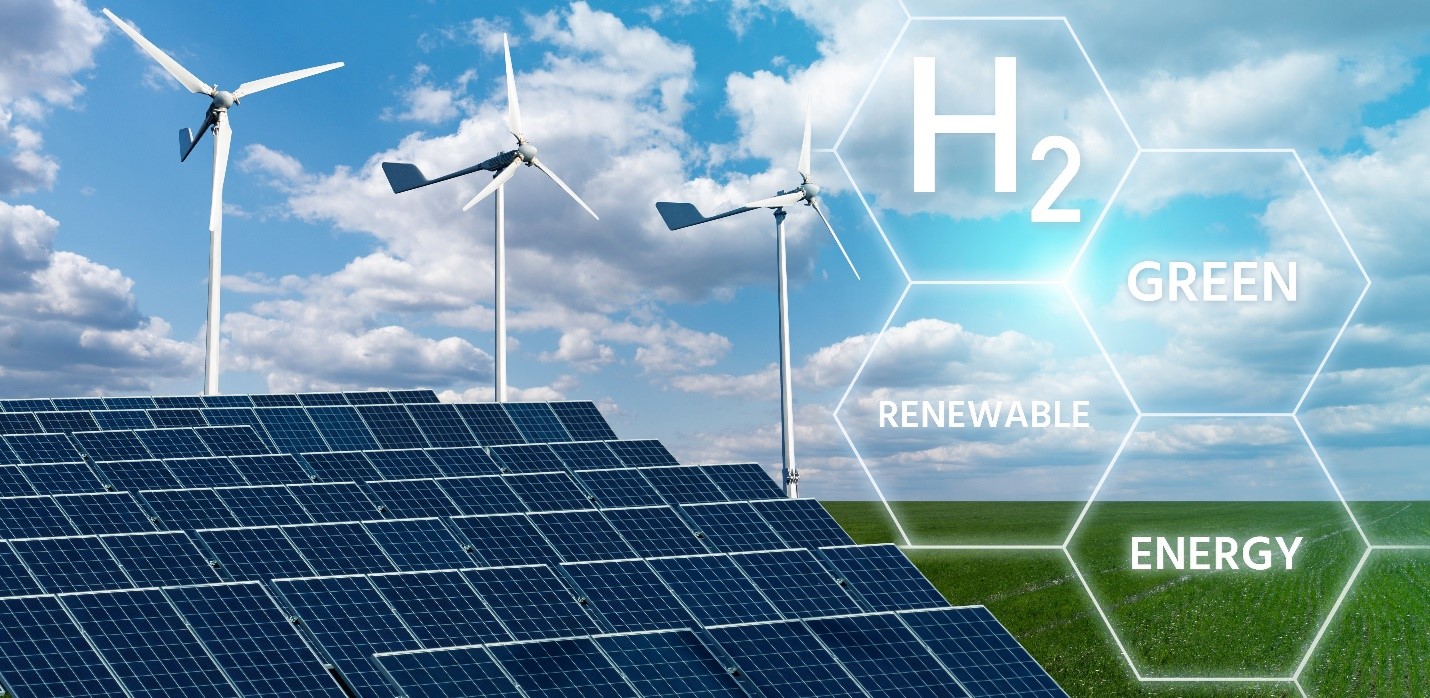
Light, simple, abundant. That’s hydrogen (H2). Because hydrogen doesn’t create carbon dioxide (CO2) emissions when burned, it holds the promise of becoming essential for global energy transformation, pollution remediation, and decarbonising the planet.
In fact, H2 production, distribution, and usage is skyrocketing, having been fueled, in part, by environmental legislation and worldwide demand for clean energy.
H2 is extremely attractive as a fuel source because of its ability to be both environmentally friendly and sustainable. However, before the adoption of hydrogen becomes even more widespread, there’s work to be done; namely, H2 must be produced, distributed, and used safely.
Despite hydrogen’s potential to become a widespread clean-energy source, there are very real safety issues to contend with. Therein lies the challenge and the paradox.
On one hand, hydrogen’s unique chemical properties make it an exciting fuel alternative. On the other hand, those same properties are what hold the potential for these dangers:
- Hydrogen has a propensity to leak.
- It is colorless, odorless, and tasteless, making it undetectable by human senses.
- Hydrogen has an invisible, high-temperature flame with low thermal radiation.
- It is fast detonating and more explosive than natural gas.
Leak Monitoring and Detection
According to the U.S. Department of Energy, all fuels—including hydrogen—pose some degree of danger. While hydrogen’s non-toxic nature and ability to dissipate quickly when released are just a few of the reasons hydrogen may be safer to handle than other fuels, there’s still a need for safe use.
Specifically, hydrogen has a wide range of flammable concentrations in the air and lower ignition energy than gasoline or natural gas, which means it can ignite more easily. Consequently, adequate ventilation and leak detection are important elements in the design of safe hydrogen systems. Because hydrogen burns with a nearly invisible flame, special flame detectors are required.1
Consistent monitoring, therefore, is imperative for hydrogen producers, distributors, and users. The question is, how?
Although the need for monitoring and detecting hydrogen leaks is a relatively new challenge, here’s the good news …
Here at MSA, we’ve been at the forefront of hydrogen gas and flame detection solutions. As one of the world’s largest and most experienced global suppliers of gas and flame detection equipment, MSA has pioneered the detection of combustible gases like hydrogen, methane, and propane.
In fact, our in-house Research and Development team develops, tests, and manufactures its own fully certified portfolio of products and safety solutions—including the very latest hydrogen gas and flame detection technologies.
Countries around the world have set the strategic objective of reaching net-zero as soon as possible. One of the key enablers is the rapid development of the hydrogen economy. Vast amounts of public and private money are being invested in the production, storage and transportation of hydrogen as well as the fuelling station network for the increasing range of hydrogen vehicles.
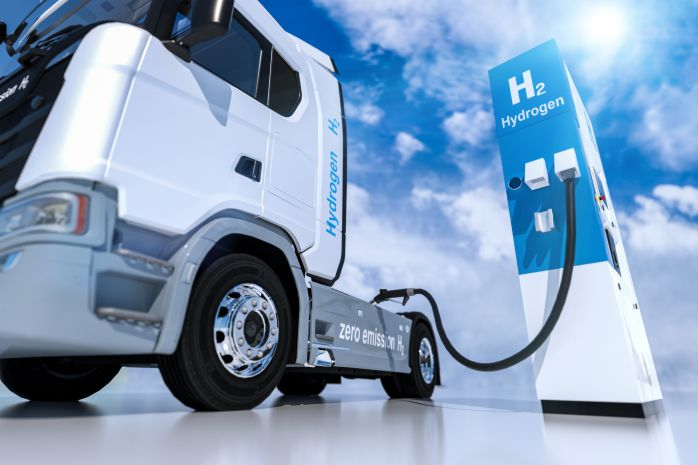
As the hydrogen economy rapidly develops, safety must be the top priority. Standardisation is a key step on this journey to net-zero. The ISO 19880-1:2020 Standard is very specific about the requirements for grounding and bonding, including for hydrogen delivery systems such as trucks or trailers. The Standard states that electrical resistance between metallic parts connected or in contact together should be less than 10 ohms.
Each day there are fires and explosions caused by the ignition of flammable and combustible chemicals. One of the most common causes of the ignition is a spark caused by a sudden discharge of accumulated static electricity.
When two differing materials move against each other, electrons can be exchanged, leaving an excess of positive charge on one material and an equal negative charge on the other. This is the generation of static electricity. During the transfer or processing of a material, significant amounts of static charge can accumulate very quickly, leading to the rapid increase of voltage on the object (e.g. road tanker).
Voltages can rapidly exceed the break-down voltage of the surrounding atmosphere and create the risk of a sudden discharge to a nearby conductor in the form of a spark.

The amount of energy released by this sudden discharge can easily exceed the Minimum Ignition Energy (MIE) of the potentially flammable atmosphere and thereby lead to a fire or explosion.
The most effective way of avoiding a sudden static discharge is to ensure the object is grounded before and during the process by providing a low resistance path to true ground so that static electricity does not accumulate.
The reason that controlling static electricity is so important for hydrogen safety is that the MIE is only a fraction of that of other fuels. The very small amount of energy required to ignite hydrogen means that it is classified within Gas Group IIC (Gas Group B in the US).
Newson Gale’s Earth-Rite® II RTR is dedicated to grounding road tankers and large vehicles. It is certified to be installed and used in IIC environments, unlike many alternative systems.
International Standard
ISO 19880-1:2020 Gaseous Hydrogen – Fuelling Stations
10.2.3 Protection from ignition due to the accumulation of static charge
“The electrical resistance between metallic parts connected or in contact together should be less than 10 ohms.”
The Newson Gale Earth-Rite® II range of grounding systems continually monitor the connection resistance to a 10 ohms or less permissive threshold, and this has been verified by a third-party testing house.
Please visit our website to find out more:
www.newson-gale.co.uk

World Hydrogen Leaders to launch a unique, inaugural event dedicated to hydrogen derivatives at World Hydrogen Week, October 2023 ➢ Exceptional speaker programme to include hydrogen trailblazers ➢ Programme addresses real-world challenges from upscaling and supply chain to policy and skills.
With the urgent need for clean hydrogen to rapidly scale to meet increasing demand and achieve climate goals, World Hydrogen Leaders announce their enhanced World Hydrogen Week, taking place in Rotterdam, The Netherlands, from 9th to 13th October 2023.
The 5-day event is one of the largest and most influential in the industry and will host over 3,000 attendees from 800 organisations, representing 50 countries. Comprising of 4 major events including the highly popular World Hydrogen Congress, World Hydrogen Intelligence Day and the Global Hydrogen Projects Summit, the programme has now been extended to include a world-first event: “World Hydrogen Derivatives”. The inaugural derivative-focused programme is the only event across the industry to address the role hydrogen can play as an energy carrier, as a direct fuel for mobility applications, as well as providing clean supply chains for the fertiliser and chemical sectors.
“It is vital that the industry comes together to address the critical issues remaining around clean hydrogen in what is an increasingly narrow window to transition to a decarbonised energy system,” said Nadim Chaudhry, Chief Executive Officer, World Hydrogen Leaders. “While we are reassured that clean hydrogen and its derivative molecules are now a serious solution for hard to abate sectors, there are many challenges to be overcome to ensure full commercialisation and widespread integration across society.
World Hydrogen Week is without doubt the single most influential gathering of industry leaders to drive these ambitions forward.” With 70 percent of speakers and attendees at vice-president, director or C-level roles, World Hydrogen Week has demonstrated that it not only attracts seasoned experts within the industry, 2 but those with the capacity for real decision-making.
Prominent players this year will include Airbus, bp, ExxonMobil, HyCC, Engie, Smartenergy, Kalyani Steels, TotalEnergies, Worley, Hydrogenious, Uniper, Green Hydrogen Systems and Iberdrola, among dozens of others. The keynote speakers are well recognised hydrogen trailblazers and include Nicola de Blasio, Senior Fellow, Environment and Natural Resources from the Belfer Center Harvard Kennedy School; Michael Liebreich, Chief Executive Officer & Chairman Liebreich Associates; Valerie Ruiz, Group Hydrogen Vice President, Engie; Henrik Solgaard Andersen, Vice President Global Hydrogen, Equinor and Dominika Ermitsch, Director Valuation, Modelling & Economics, EY, among many others.
“Adopting hydrogen at scale and deploying the needed technologies requires close coordination between all stakeholders,” said Nicola de Blasio, Senior Fellow, Environment and Natural Resources from the Belfer Center Harvard Kennedy School. “For the first time in 150 years, we are considering investing in new energy infrastructure globally – a once-in-a-lifetime opportunity!
By bringing together global decision-makers, the World Hydrogen Week helps to foster the required system-level synergies and to avoid falling into the inefficiencies and mistakes of the past.” World Hydrogen Week’s programme: World Hydrogen Derivatives from 9th to 10th October This world-first event will explore the developing opportunities, markets, supply chains and end use applications within the world of hydrogen derivatives, as well as a direct focus on the business models of alternative energy carriers such as ammonia, methanol, and LOHCs.
Across two days, attendees will have the opportunity hear thought leaders debate critical issues on stage, network with first movers and innovators and meet potential suppliers on the exhibition floor. World Hydrogen Congress from 11th to 12th October Featuring world-leading speakers, World Hydrogen Congress will dive deep into the practicalities, implementation and acceleration of sustainable hydrogen into our energy system through interactive discussions and insights from experts across the entire value chain, from 3 production to end use applications.
Attendees can participate in one of the many networking opportunities, navigate the exhibition floor, or engage with cutting-edge industry insights. Global Hydrogen Projects Summit on 10th October A single day event, the Global Hydrogen Projects Summit will feature the most recent, innovative and advanced hydrogen project development case studies, showcasing projects spanning five continents and offering guidance on overcoming some of the unique regional challenges. World Hydrogen Intelligence Day on 13th October World Hydrogen Intelligence Day is the industry’s leading platform to hone practical skills and knowledge through interactive hydrogen workshops, masterclasses and roundtables.
These sessions give attendees the opportunity to deep dive into vital topics and obtain solutions to pressing issues. Some of the many topics addressed at World Hydrogen Week include: • Delegated Act: The EU rules around defining taxonomy, what qualifies as renewable hydrogen and the criteria producers must meet to label their product as renewable. • Colourless hydrogen: The shifting focus from hydrogen colours based on production methods to carbon intensity of projects regardless of manufacturing approach. • Achieving scale: Despite advances in hydrogen production capacity, current projects in the pipeline don’t meet projected demand to achieve climate goals – but there are still technology and operational concerns in scaling up production.
So, do we scale down big projects before scaling up further? • Supply chains: How geopolitical challenges including the Ukraine war and energy security are disrupting supply chains and the new focus of near-shoring. • Hubs, clusters and valleys: The approach of building local value chains that connect supply with demand on smaller scale with examples of new hydrogen valleys Estonia, Ukraine, Poland and other nations. • Hydrogen auctions:
The German government scheme of auction-based funding to ramp up value chains, including long-term supply side contracts, short-term aggregated demand-side contracts and compensate price differences. 4 • Offtake: The expanding scope of offtakers beyond heavy industry and mobility including data centres, breweries and other manufacturers and the power sector for long-term storage. • Infrastructure: Rectifying the insufficient infrastructure to store and transport hydrogen to end users and the need for grid capacity to ramp up to connect to electrolysers. •
Hydrogen derivatives: Looking at the huge market for LOHCs, ammonia and methanol as the main solutions for long distance hydrogen transportation, its use as feedstock for industrial processes, plus the standards that need to be implemented. • Export markets: Who the big players are, the competition for demand and the uncertainty around subsidies. •
Skills: Addressing the deficit in workforce skills related to hydrogen, the need to “upskill” existing energy professionals plus the need to drive academic institutions to offer hydrogen courses • Safety: Why health and safety remains a concern for new entrants to the hydrogen market and how knowledge transfer, expertise and training will still be important going forward. • Rare metals and earth materials: Looking at the scarcity and geographic focus of material resources needed to support hydrogen’s role in the energy transition, plus the extraction and production approaches needed to meet demand. About World Hydrogen Leaders World Hydrogen Leaders (WHL), launched in 2020 by green energy veteran Green Power Global, is the go-to intelligence and networking platform for hydrogen executives and professionals. With over 1,000 members from all parts of the value chain, the hydrogen sector trusts us as a source of industry intelligence. The WHL platform includes: •
A global portfolio of premium content-rich hydrogen events, including proud organiser of World Hydrogen Congress – the go-to commercially-focused deal-making global event accelerating hydrogen projects to achieve final investment decision (FID) • World Hydrogen Training Academy with 450 hours of 50+ hydrogen upskilling and training courses 5 • A bank of online hydrogen webinars and conferences available on demand reflecting the latest developments in the market About World Hydrogen Week Leading the change to clean and sustainable energy – World Hydrogen Week has been born out of the industry’s desire to unite WHL events, training courses, intelligence and members into a week-long spectacle of global hydrogen events and networking functions to drive forward the transition to clean energy. Join the largest global community of hydrogen professionals to hone skills, learn, debate and network with industry leaders driving the commercial deployment of hydrogen projects forward to reduce our reliance on carbon and to build a sustainable and reliable future clean energy system.

The forthcoming Euro 7 emission standard will drastically reduce particulate matter levels for all new vehicles - regardless of the type of drive. As a result, brake systems are coming under increasing scrutiny. The solution: brake discs with low-wear hard coatings, because less wear means less particulate matter.
NAGEL is well prepared for this development. All the technologies for the environmentally friendly brake discs of the future are already available at the Nürtingen plant in the form of 2 prototype lines.
These include laser cells for coating using the high-speed LMD process and finishing on high-precision double-sided surface grinding machines. Fine dust emissions are reduced by 80% or more after machining. NAGEL supplies the entire process, i.e. the complete lines for coating and grinding with all peripheral equipment, e.g. for handling the coating powder, for extraction, cooling or rinsing agent preparation.
Also very important: precision systems for continuous quality control. When it comes to measuring, NAGEL can draw on a wealth of experience in fine and ultra-fine machining.
Not all coatings are the same. Different requirements call for individual coating thicknesses, coating compositions and surfaces. NAGEL's process development guarantees the right result for every purpose and can create coating systems on the two existing prototype lines and qualify them together with the customer. Thanks to the in-house development of abrasives, surface topographies can also be achieved in any desired quality.
The customer orientation continues with the automation. NAGEL supplies every conceivable configuration to increase productivity to the desired level, e.g. line linking or industrial robot solutions. Thanks to the modular design, the systems can be scaled very easily and quickly. Machine production, peripheral assembly and customisation are all carried out under one roof at the main factory. Customers receive a complete package "Made in Germany".
Lorem ipsum dolor sit amet, consectetur adipiscing elit. Curabitur sed ipsum et orci dictum rutrum sed eget elit. Ut molestie justo est, a efficitur velit efficitur mattis. Sed tincidunt auctor massa vel aliquam. Fusce non felis gravida, porta lectus vel, vehicula diam. Nulla quis lacinia augue. Ut rhoncus nisl ac nunc placerat tempus. Proin sed lacinia nunc. Vestibulum ante ipsum primis in faucibus orci luctus et ultrices posuere cubilia curae;

Utilizing HPDI™ Technology to Accelerate the Decarbonization Efforts
of Global OEM Customers
VANCOUVER, BC (July 19, 2023) – Volvo Group (VOLVb.ST) and Westport (TSX: WPRT / Nasdaq: WPRT), a leading supplier of advanced alternative fuel delivery systems and components for the global transportation industry, have signed a non-binding letter of intent to establish a joint venture to accelerate the commercialization and global adoption of Westport’s HPDI™ fuel system technology for long-haul and off-road applications. Volvo and Westport share the vision of creating sustainable transport solutions to accelerate the decarbonization efforts of global trucking, engine, and equipment manufacturers for their customers and society.
Westport’s HPDI fuel system is a high-performance solution supporting significant carbon reductions in hard-to-abate sectors like heavy-duty and off-road mobility. HPDI enables the world’s trucking and off-road equipment manufacturers to address the challenges of meeting the regulatory requirements of Euro 7 and the US EPA while offering end users affordable options that are powered by carbon-neutral fuels like biogas, zero-carbon fuels like green hydrogen and other renewable fuels. While Volvo will be a key customer of the joint venture, the joint venture’s mandate will be to enhance commercialization of HPDI through the addition of new trucking and equipment manufacturers as customers.
Westport will contribute current HPDI assets and activities including related fixed assets, intellectual property, and business into the joint venture. Volvo will acquire a 45% interest in the joint venture for the sum of approximately US$28 million (approximately SEK 300 million), plus up to an additional US$45 million (approximately SEK 500 million) depending on the performance of the joint ventureVolvo’s ambition is to reach net-zero greenhouse gas emission-enabled products, solutions, and services by 2040. Volvo believes that the future will demand diverse propulsion solutions for diverse applications to meet customers’ needs and environmental demands. Volvo advocates for a three-pronged approach: battery-electric, fuel-cell electric and internal combustion engines.
“Decarbonization with internal combustion engines running on renewable fuels, especially with HPDI, plays an important part in sustainable solutions. HPDI has been on the road in Volvo trucks for over five years and is a proven technology that allows customers to significantly reduce CO2 emissions in LBG (liquefied biogas) applications here and now and is a potential avenue for hydrogen,” says Lars Stenqvist, chief technology officer of Volvo.
“Westport is advancing fuel system solutions to help our customers affordably address the most pressing challenge of carbon reduction, while continuing to utilize existing manufacturing infrastructure,” said David Johnson, chief executive officer, Westport. “The joint venture with Volvo is a natural extension of both companies’ commitment to accelerating global carbon reduction and we are proud to partner with such a bold supporter of the future of the internal combustion engine. Combining our expertise strengthens HPDI’s position in the market and underscores Westport’s commitment to developing affordable fuel system technology that supports significant CO2 reductions in hard-to-abate sectors like heavy-duty transport and off-road applications, including a pathway to power equipment with zero carbon fuels like hydrogen.”
Completion of the joint venture is conditional on the successful negotiations and execution of a definitive investment agreement, joint venture agreement, supply
agreement, and development agreement. The joint venture is expected to launch in the first half of 2024.
Agreement marks the company’s entry into the UK hydrogen marketStargate Hydrogen today announced a partnership with Seacht Group, marking its first partnership in the United Kingdom. The agreement is a key step in Stargate Hydrogen’s expansion into the UK and signals the start of its business development efforts in the region.
The collaboration brings together Stargate Hydrogen, a European developer of ceramic-based electrolysis technology, and Seacht Group, a UK-based energy and engineering group. Together, the companies aim to gain market share of the green hydrogen projects across the UK, a market with growing demand for low-carbon energy solutions.
The partnership will make its first public appearance at the Hydrogen UK Annual Conference & Awards in Birmingham, where companies will jointly engage with industry stakeholders, project developers, and policymakers.
“This partnership strengthens Stargate Hydrogen,” said Marko Virkebau, CEO of Stargate Hydrogen: “The UK is a strategic market for us, and we need strong local partners with the experience needed to support project development. This agreement reflects our intention to establish a long-term commercial presence in the UK.”
Stargate Hydrogen plans to build on this first agreement by forming strategic alliances with engineering companies and EPC-s in the UK in the coming years, as part of its wider European growth strategy. They see the UK as a market with strong potential for decarbonisation through green hydrogen, particularly across industry and energy systems.
“Green hydrogen is expected to play a growing role in the UK’s transition to lower-carbon energy,” said Robert Kelly COO of Seacht Group: “By partnering with Stargate Hydrogen, we are combining advanced electrolysis technology with local market knowledge to help move hydrogen projects forward.”
The collaboration supports Stargate Hydrogen’s broader objective of establishing a solid presence across Europe and surrounding regions, while contributing to the UK’s efforts to reduce emissions through scalable green hydrogen production
- MSL Technical Recruitment
- Condition Based Monitoring Intelligent tools to monitor, analyse & interpret vibration, bearing condition, temperature and overall machine health.
- REMBE® Process Safety Precise. Process optimised. Reliable. Sustainable. Authentic. Safe.
- REMBE® Explosion Safety Hazard oriented. Risk appropriate. Reliable. Sustainable. Authentic. Safe.