
News
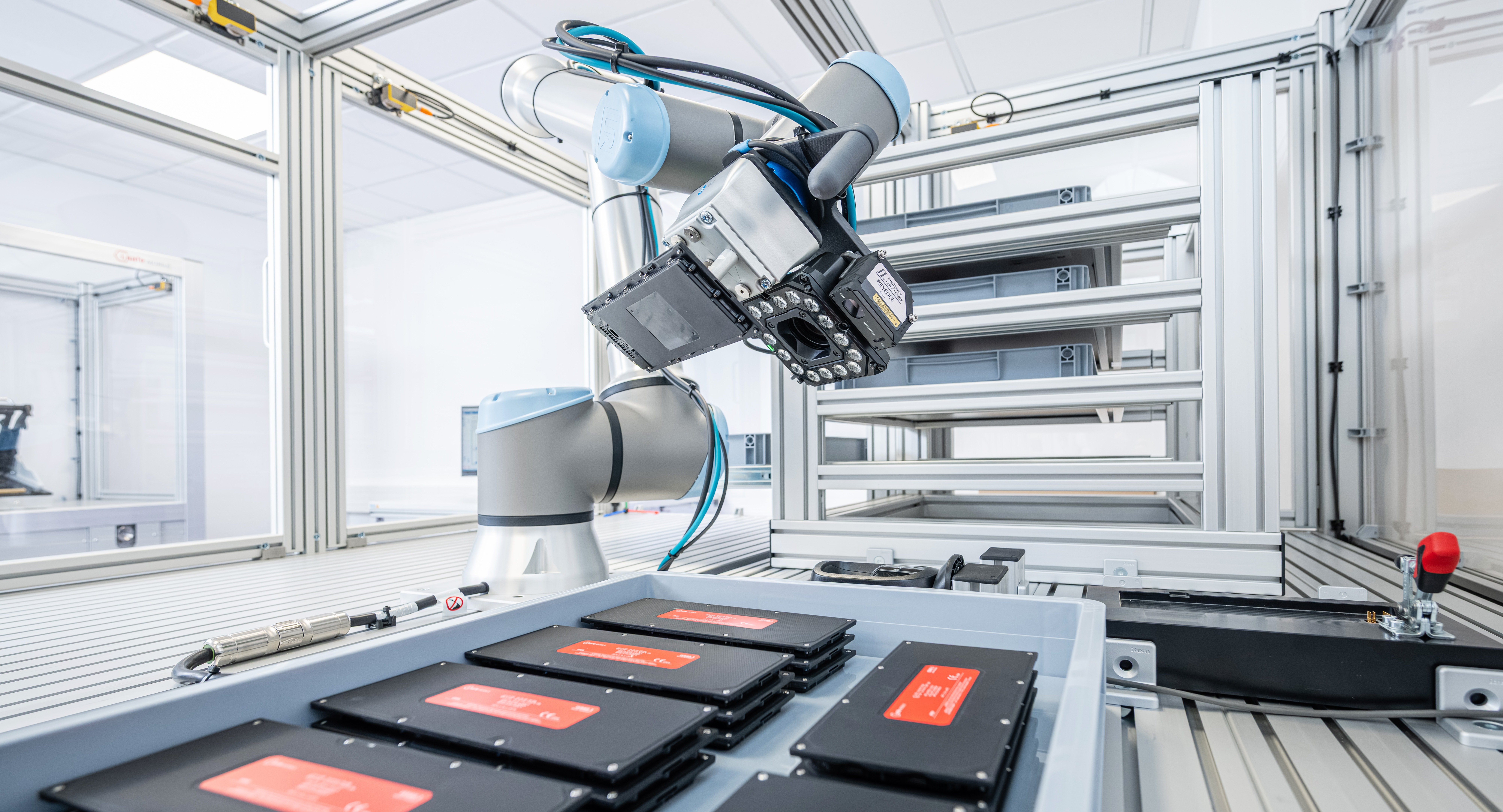
Made in Germany, controlled in Germany
How i.safe MOBILE customers benefit under NIS2 and the CRA
When operators in oil and gas, chemicals or energy choose mobile devices for hazardous areas, explosion protection has always been the first requirement. Today a second requirement is becoming equally important: proof of where a device was made and who controls its software.
Stricter rules
Germany’s NIS2 implementation act took effect in December 2025 without a transition period. According to the Federal Office for Information Security (BSI), it increases the number of regulated entities from around 4,500 to an estimated 29,500. They must secure their versions receive the same approved firmware releases and the same cryptographically signed security updates. For customers whose tenders or risk assessments require a specific country of origin or a controlled supply chain, the German production site makes the difference.
i.safe MOBILE is responsible for firmware specification, software quality assurance and release approval. As is standard for Android devices, the firmware is based on the Android Open Source Project and the chipset manufacturer’s platform software, and development partners contribute defined device-specific components.
“For critical infrastructure, the decisive question is who controls specification, release and updates of the device software,” says CEO Martin Haaf.
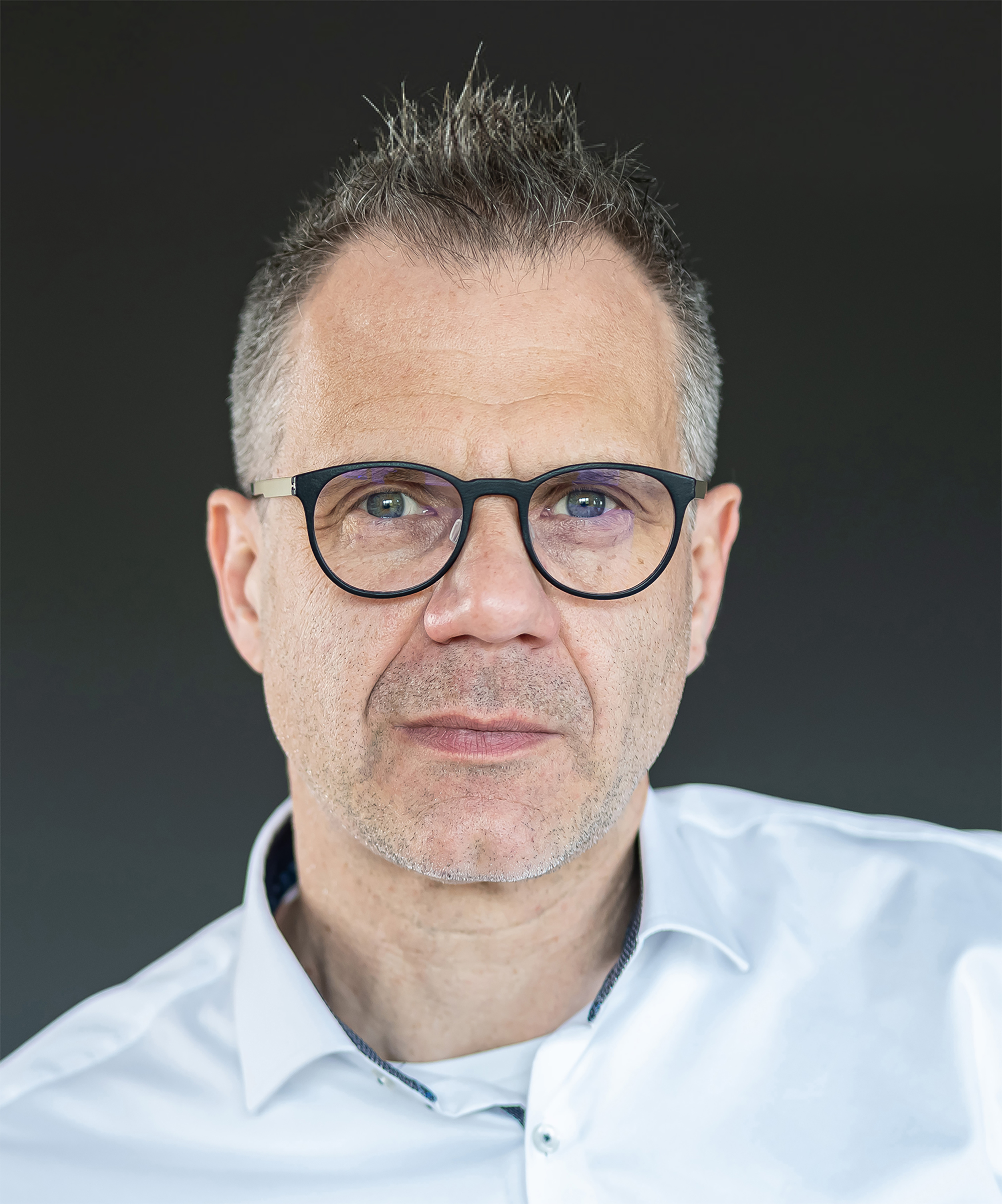
Martin Haaf, CEO, i.safe MOBILE GmbH.
Security on three levels
Organisation: an information security management system (ISMS) based on ISO 27001 covers the entire value chain, with certification in preparation. Supply chain: all relevant suppliers have been audited, providing evidence for customers’ NIS2 obligations. Product: development follows CRA requirements, and every device passes a 100% final inspection, wherever it is made.
Where the quality is created
Development, final assembly and quality assurance take place in Germany, and batteries, battery housings and labels already come from German suppliers. As is usual in electronics, chipsets and many other components are sourced from global supply chains.
The benefits for customers
For critical infrastructure operators and public authorities, a verifiable country of origin makes it easier to meet tender requirements. Customers may also audit production on
site. In this way, i.safe MOBILE is extending fifteen years of experience in explosion protection to cybersecurity.
All picture credits: i.safe MOBILE GmbH
supply chains, including their relationships with direct suppliers.
The Cyber Resilience Act (CRA) addresses manufacturers directly. Since 11 September 2026, they have had to report actively exploited vulnerabilities and severe incidents within 24 hours. From December 2027, products placed on the EU market must meet the full security-by-design requirements.
A decision with a history
i.safe MOBILE, the global market leader in mobile devices for hazardous areas and critical infrastructure, celebrated its 15th anniversary this year. Its decision to produce in Germany goes back to a European interior ministry that rejected its devices because they were made in China.
Since May 2026, selected devices have been built at the Lauda-Koenigshofen headquarters: the IS540.x smartphone, the IS440.x 5G radio, the IS940.x tablet and the IS-RSM3A.x remote speaker microphone.
Where the “wedding” takes place
At i.safe MOBILE, the production step in which the operating system is flashed onto the hardware is called “the wedding”. In Lauda-Koenigshofen, this takes place in the company’s own facility, in controlled production areas with role-based physical access. Only firmware that has passed i.safe MOBILE’s software quality assurance and release process is approved for flashing.
German production changes three things: the manufacturing location, the supply chain and the degree of direct control over manufacturing. The security architecture of a device, however, is defined by its design. This includes the chipset’s security functions such as Secure Boot and a Trusted Execution Environment, the operating system, the firmware and the update mechanism. Where a device type is built both in Germany and in Asia, both
